Sustainable Fashion Collection Launch: Your 5-Step Guide to Mid-2026 Success

Anúncios
The fashion industry is at a pivotal crossroads. Consumers are increasingly demanding transparency, ethical practices, and environmental responsibility from the brands they support. This shift isn’t just a trend; it’s a fundamental change in how fashion is perceived and produced. For aspiring entrepreneurs and established designers alike, launching a sustainable fashion collection by mid-2026 presents an unparalleled opportunity to not only build a successful business but also to contribute positively to the planet and its people.
Anúncios
However, navigating the complexities of sustainable fashion requires more than just good intentions. It demands meticulous planning, thorough research, and a deep understanding of ethical supply chains, innovative materials, and responsible production methods. This comprehensive 5-step guide is designed to equip you with the knowledge and strategies necessary to successfully launch your sustainable fashion collection, ensuring it stands out in a competitive market and makes a genuine impact.
From defining your brand’s core values to mastering the art of conscious marketing, we’ll walk you through each crucial stage. Our goal is to help you create a brand that notgages in the fashion industry, offering a holistic perspective on what it means to build a truly sustainable brand from the ground up, ready to thrive by mid-2026.
The 5-Step Guide to Launching Your First Sustainable Fashion Collection by Mid-2026
Anúncios
Step 1: Define Your Sustainable Vision and Brand Identity
Before any fabric is cut or stitch is sewn, the foundational step for any successful sustainable fashion launch is to clearly define your brand’s vision, values, and identity. This isn’t just about aesthetics; it’s about embedding sustainability into the very DNA of your brand. What does ‘sustainable’ mean to your brand? Is it primarily about ethical labor, eco-friendly materials, circular design, or a combination of all these elements?
A. Core Values and Mission Statement
Start by articulating your core values. These are the guiding principles that will inform every decision, from sourcing to marketing. Your mission statement should succinctly communicate your brand’s purpose and its commitment to sustainability. For instance, your mission might be: “To create timeless, ethically-made apparel using regenerated materials, empowering local artisans, and minimizing environmental impact.” This clarity will not only guide your internal operations but also resonate with your target audience.
B. Target Audience and Market Niche
Who are you designing for? Understanding your target customer is paramount. Are they eco-conscious millennials seeking minimalist designs? Gen Z activists looking for statement pieces with a purpose? Or perhaps affluent consumers desiring luxury with a conscience? Research their demographics, psychographics, purchasing habits, and what they value in a sustainable brand. This understanding will inform your design choices, pricing strategy, and marketing messages. Identify your market niche – perhaps sustainable activewear, gender-neutral ethical clothing, or upcycled couture – to carve out a unique space.
C. Brand Story and Aesthetic
Every successful brand has a compelling story. What is yours? Your brand story should naturally intertwine with your sustainable mission. Perhaps it’s inspired by a personal journey, a desire to address a specific environmental issue, or a passion for traditional craftsmanship. This narrative will be a powerful tool in connecting with your audience emotionally. Alongside your story, develop a distinct brand aesthetic that reflects your values. Is it minimalist and natural, bold and artistic, or innovative and futuristic? Consistency in your visual identity – logo, color palette, typography, and overall design language – is crucial for brand recognition and trust.
D. Setting Measurable Sustainability Goals for Mid-2026
To ensure your commitment to sustainability is more than just talk, set clear, measurable goals for your mid-2026 launch. These could include: achieving GOTS certification for 80% of your cotton by launch, ensuring 100% of your packaging is plastic-free, partnering with three Fair Trade certified factories, or reducing water usage by 50% compared to conventional methods. Having specific, time-bound objectives will keep you accountable and provide tangible achievements to communicate to your customers. Remember, transparency about your goals and progress is a cornerstone of true sustainable branding.
Step 2: Ethical Sourcing and Sustainable Production
This is arguably the most critical and complex step in launching a sustainable fashion collection. The choices you make here will directly impact your environmental footprint and social responsibility. Ethical sourcing and sustainable production go hand-in-hand, demanding thorough research and due diligence.
A. Researching and Selecting Sustainable Materials
The material landscape for sustainable fashion is constantly evolving. Dive deep into understanding various options:
- Natural Fibers: Organic cotton (GOTS certified), linen, hemp, Tencel™ Lyocell, Modal, Piñatex (pineapple leaf fiber), cork. Understand their cultivation processes, water usage, and impact.
- Recycled Materials: Recycled polyester (RPET), recycled cotton, recycled nylon. Investigate the recycling processes and ensure they don’t create new environmental issues.
- Innovative Materials: Explore emerging bio-based materials like mushroom leather, algae fabrics, or orange fiber.
- Dyeing Processes: Prioritize low-impact dyes, natural dyes, or water-saving dyeing techniques (e.g., dope dyeing, digital printing).
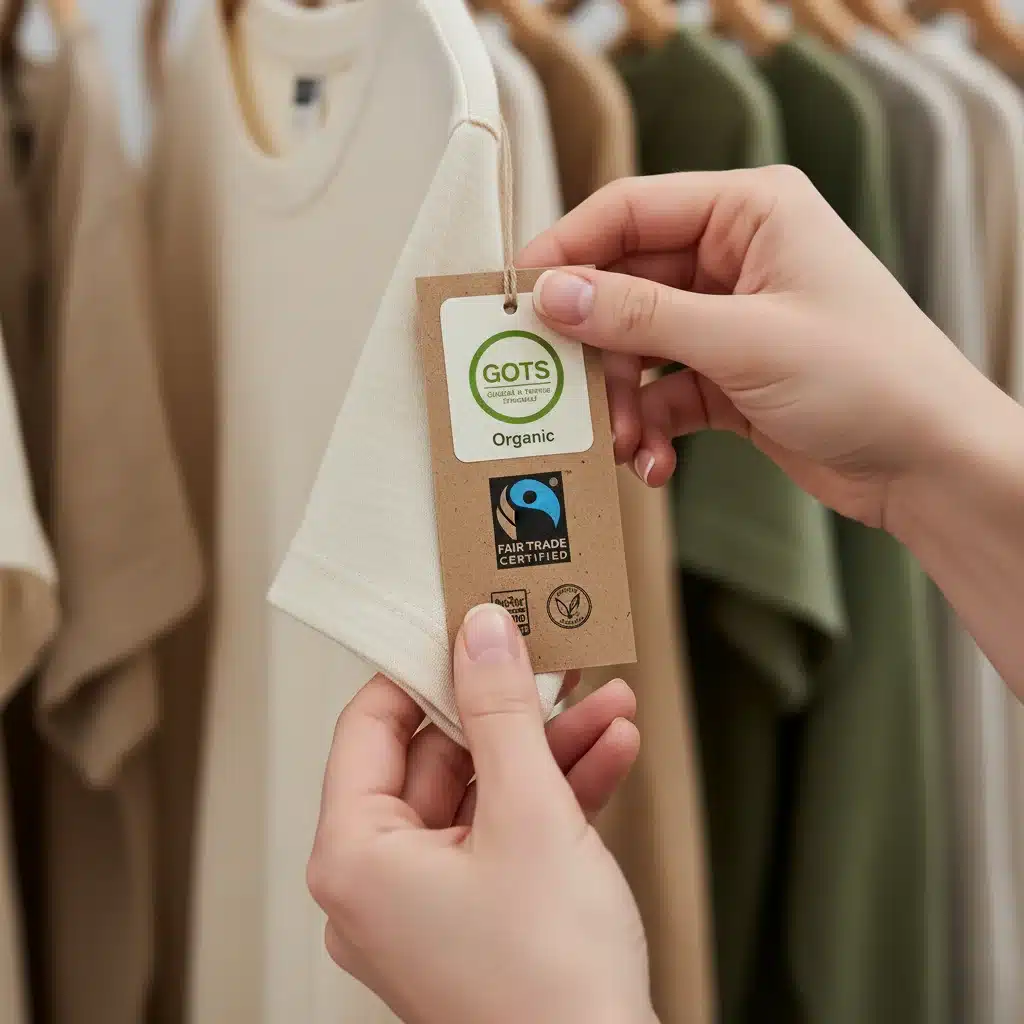
Evaluate materials based on their entire lifecycle – from raw material extraction to disposal. Consider factors like biodegradability, recyclability, durability, and chemical use. Always ask for certifications (e.g., GOTS, Oeko-Tex, Fair Trade, B Corp) to verify claims.
B. Establishing an Ethical Supply Chain
Your supply chain is the backbone of your sustainable promise. This involves not only your fabric suppliers but also manufacturers, trim suppliers, and logistics partners. Focus on:
- Transparency: Map out your entire supply chain, from fiber to finished garment. Understand where each component comes from and how it’s produced.
- Fair Labor Practices: Partner with factories that ensure fair wages, safe working conditions, reasonable working hours, and no child labor. Look for certifications like Fair Trade, SA8000, or WRAP. Conduct site visits or work with trusted auditors to verify compliance.
- Environmental Impact: Choose manufacturers who demonstrate commitments to reducing water, energy, and waste. Inquire about their waste management systems, energy sources, and chemical use policies.
- Local Sourcing: Where possible, source materials and manufacturing locally to reduce transportation emissions and support local economies.
Building strong, long-term relationships with your suppliers, based on trust and shared values, is crucial for maintaining an ethical and transparent supply chain.
C. Design for Longevity and Circularity
Sustainable design extends beyond material choice. It encompasses how garments are conceived and constructed:
- Timeless Design: Create pieces that transcend fleeting trends, encouraging consumers to wear them for longer.
- Durability: Use high-quality materials and construction techniques to ensure garments withstand wear and washing, reducing the need for frequent replacement.
- Versatility: Design multi-functional pieces that can be styled in various ways or for different occasions.
- Repairability: Consider how garments can be easily repaired. Can buttons be replaced? Seams reinforced?
- Mon-materiality: Design with single-fiber compositions where possible, as this significantly aids in future recycling. Avoid blends that are difficult to separate.
- Zero-Waste Patterns: Explore pattern cutting techniques that minimize fabric waste during production.
- End-of-Life: Think about what happens to the garment when its useful life is over. Can it be composted, recycled, or upcycled? Integrate this into your design process.
Step 3: Production, Quality Control, and Packaging
With your sustainable vision defined and your ethical supply chain established, the next phase focuses on bringing your designs to life. This stage requires rigorous attention to detail, ensuring that every garment meets your quality standards while upholding your sustainable commitments.
A. Manufacturing Process and Small Batch Production
For a new sustainable fashion launch, small batch production is often ideal. It allows for greater control over quality, reduces waste from overproduction, and offers flexibility to adapt based on initial feedback. Work closely with your chosen manufacturers to ensure they understand and adhere to your sustainability protocols. This includes monitoring energy consumption, waste management, and adherence to fair labor standards throughout the manufacturing process. Regular communication and, if possible, on-site visits are crucial.
B. Quality Control and Durability Testing
Sustainable fashion is inherently linked to quality and durability. A garment that falls apart after a few washes is not sustainable, regardless of its material composition. Implement stringent quality control measures at various stages of production:
- Fabric Inspection: Before cutting, inspect fabrics for flaws, inconsistencies, or damage.
- In-Process Checks: Monitor stitching, seam integrity, and pattern alignment during assembly.
- Final Inspection: Conduct a comprehensive check of finished garments for any defects, ensuring they meet your aesthetic and functional standards.
- Durability Testing: Subject sample garments to washing, wear, and stress tests to ensure they will last. This demonstrates a commitment to longevity, a core tenet of sustainability.
Investing in quality control upfront will save you from costly returns and reputational damage later on, reinforcing your brand’s commitment to creating lasting products.
C. Sustainable Packaging Solutions
The journey of your sustainable garment doesn’t end at production; its packaging is an equally important aspect of your environmental footprint. Conventional packaging often involves excessive plastic and non-recyclable materials. Embrace sustainable alternatives:
- Recycled and Recyclable Materials: Use recycled cardboard boxes, paper mailers, or compostable polybags (made from cornstarch or other plant-based materials).
- Minimalist Design: Reduce unnecessary packaging components. Less is more when it comes to environmental impact.
- No Plastic: Aim for entirely plastic-free packaging, from garment bags to shipping labels.
- Reusable Options: Explore reusable garment bags or boxes that customers can repurpose.
- Eco-friendly Inks: If printing on packaging, use soy-based or water-based inks.
Clearly communicate your packaging choices to customers, explaining why you’ve opted for these solutions and how they can properly dispose of or reuse the packaging. This reinforces your brand’s transparency and commitment to sustainability.
Step 4: Marketing Your Sustainable Story and Brand Launch
Even the most ethically produced and beautifully designed sustainable fashion collection needs effective marketing to reach its intended audience. Your marketing strategy must authentically communicate your brand’s sustainable story, build trust, and inspire action.
A. Crafting an Authentic Sustainable Narrative
In a market increasingly saturated with ‘greenwashing,’ authenticity is your most valuable asset. Your marketing should reflect the genuine efforts you’ve made in steps 1-3. Share your brand’s journey, challenges, and successes. Be transparent about your materials, supply chain, and labor practices. Use storytelling to highlight:
- The ‘Why’: Why did you start a sustainable brand? What problem are you solving?
- The ‘How’: Detail your ethical sourcing, production methods, and commitment to fair labor. Introduce your artisans or factory partners (with their consent).
- The Impact: Explain the environmental and social benefits of choosing your brand over conventional alternatives. Quantify impact where possible (e.g., water saved, carbon reduced).
This narrative should be woven into all your marketing materials, from your website’s ‘About Us’ page to social media posts and product descriptions.
B. Digital Marketing for Sustainable Brands
Leverage digital channels to reach your target audience. Your website should be a hub of information about your sustainable practices, featuring high-quality product photography that highlights the craftsmanship and materials. Consider:
- Search Engine Optimization (SEO): Optimize your website content for keywords like “sustainable fashion,” “ethical clothing,” “eco-friendly apparel,” and your specific product categories. This will help conscious consumers find you.
- Social Media Marketing: Platforms like Instagram, Pinterest, and TikTok are powerful visual tools. Share behind-the-scenes content, highlight your materials, showcase your ethical production, and engage with your community. Collaborate with sustainable fashion influencers.
- Content Marketing: Start a blog on your website discussing sustainable living, ethical consumption, textile innovations, and styling tips for your collection. This positions you as a thought leader and drives organic traffic.
- Email Marketing: Build an email list to share updates, new collection launches, and exclusive sustainable insights with your subscribers.
C. Public Relations and Collaborations
Generate buzz around your sustainable fashion launch by engaging with media and strategic partners:
- Press Outreach: Contact sustainable fashion magazines, blogs, and journalists. Prepare a compelling press kit that highlights your unique selling points and sustainable mission.
- Influencer Marketing: Partner with micro- and macro-influencers who genuinely align with sustainable values. Authentic endorsements are far more effective than paid promotions from those who don’t truly care about the cause.
- Brand Collaborations: Explore collaborations with other sustainable brands (e.g., ethical beauty, eco-friendly home goods) or non-profits that share your values. This expands your reach and reinforces your commitment.
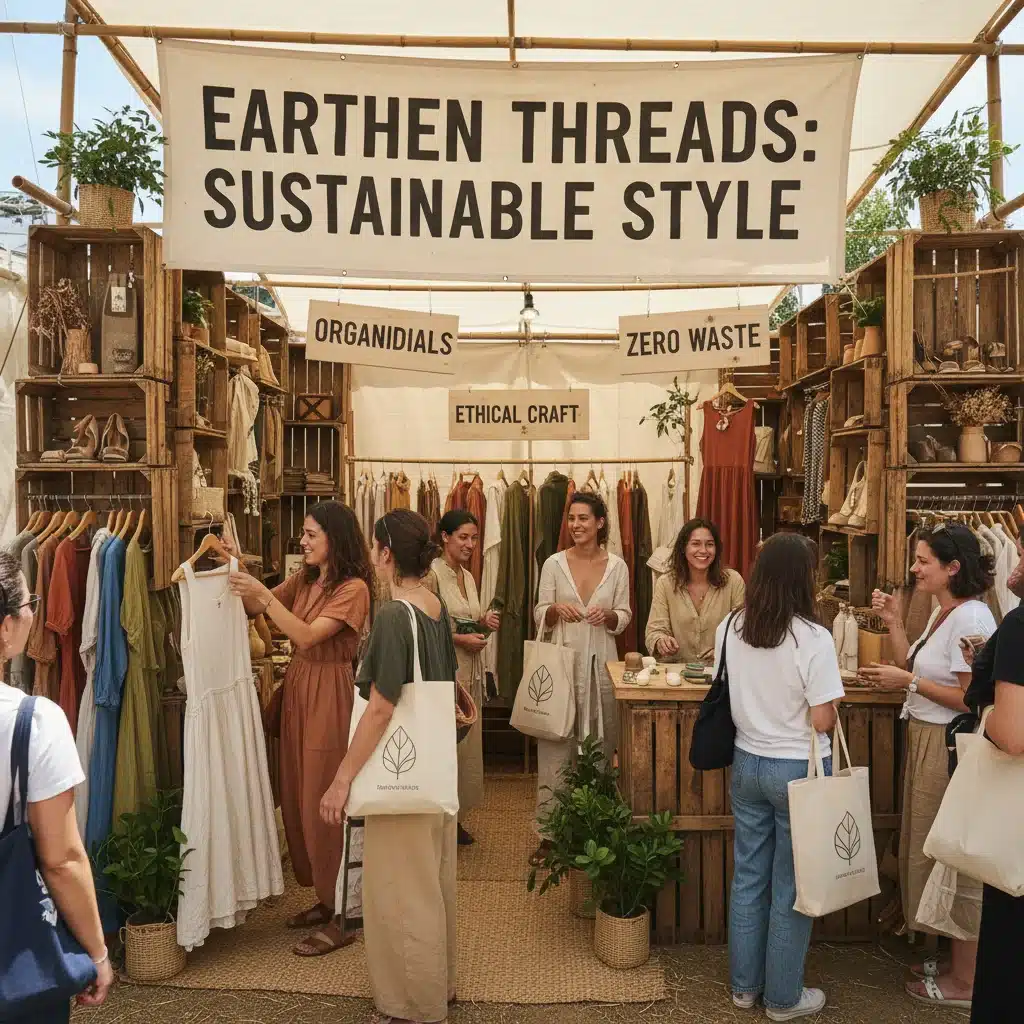
- Participation in Sustainable Events: Attend or exhibit at sustainable fashion trade shows, pop-up markets, or conferences to network and gain visibility.
D. Launch Strategy for Mid-2026
Plan a detailed launch strategy leading up to mid-2026. This might include a soft launch to early adopters or a grand reveal. Build anticipation through teaser campaigns on social media, behind-the-scenes glimpses, and early access sign-ups. Consider a launch event (virtual or in-person) to introduce your collection and tell your brand story directly. Offer launch day promotions or bundles to incentivize initial purchases. Ensure your e-commerce platform is robust and ready for traffic.
Step 5: Distribution, Sales, and Post-Launch Engagement
The final step in your journey to a successful sustainable fashion launch involves getting your products into the hands of customers and fostering long-term relationships that encourage repeat business and brand loyalty.
A. E-commerce Platform and Retail Strategy
Your online store will likely be your primary sales channel. Invest in a user-friendly, aesthetically pleasing e-commerce platform that reflects your brand’s aesthetic and allows for seamless shopping. Ensure high-quality product images, detailed descriptions (including material composition, ethical certifications, and care instructions), and clear sizing guides. Beyond your own website, consider:
- Sustainable Marketplaces: Partner with established online marketplaces dedicated to sustainable and ethical products (e.g., Good On You, The Ethical Superstore, or regional equivalents). This can significantly broaden your reach to a pre-qualified audience.
- Wholesale Partnerships: Approach ethically-aligned boutiques, concept stores, or department stores that prioritize sustainable brands. These partnerships can provide valuable physical presence and credibility.
- Pop-up Shops and Events: As mentioned in marketing, temporary retail spaces allow for direct customer interaction, brand storytelling, and immediate sales without the overhead of a permanent storefront.
Carefully evaluate each channel to ensure it aligns with your brand values and business goals.
B. Logistics and Sustainable Shipping
Your commitment to sustainability shouldn’t end once an order is placed. Sustainable logistics are crucial:
- Eco-friendly Shipping Partners: Research shipping carriers that offer carbon-neutral shipping options, utilize electric vehicles, or have strong environmental policies.
- Optimized Shipping Routes: Work with logistics providers to optimize delivery routes, reducing fuel consumption.
- Consolidation: Encourage customers to consolidate orders where possible, or offer incentives for fewer, larger orders.
- Transparency: Be transparent about your shipping practices and any associated carbon offsets.
The goal is to minimize the environmental impact of getting your products from your warehouse to the customer’s doorstep.
C. Customer Service and Community Building
Exceptional customer service is vital for any brand, but even more so for sustainable brands where trust and values are paramount. Be responsive, transparent, and helpful. Address any customer concerns or questions about your sustainable practices openly. Go beyond transactional interactions by focusing on building a community around your brand:
- Engage on Social Media: Respond to comments, host Q&As, and encourage user-generated content.
- Loyalty Programs: Implement loyalty programs that reward repeat sustainable purchases or incentivize sustainable actions (e.g., returning old garments for recycling).
- Educational Content: Continue to provide valuable content about sustainable living, garment care, and the broader ethical fashion movement.
- Feedback Loops: Actively solicit customer feedback on your products and practices, demonstrating that you value their input and are continuously striving for improvement.
D. Measuring Impact and Continuous Improvement
Your sustainable journey doesn’t end after your mid-2026 launch; it’s an ongoing commitment. Regularly measure your environmental and social impact. Track key metrics such as:
- Carbon footprint reduction
- Water usage savings
- Waste diversion rates
- Fair wages paid
- Customer satisfaction related to sustainability
Use this data to identify areas for improvement and set new, ambitious sustainability goals. Be transparent about your progress in annual impact reports or on your website. Continuous improvement and honest communication are hallmarks of truly sustainable and responsible brands.
Conclusion: Your Sustainable Fashion Journey to Mid-2026 and Beyond
Launching a sustainable fashion collection by mid-2026 is an ambitious yet incredibly rewarding endeavor. It requires dedication, integrity, and a willingness to challenge conventional fashion norms. By meticulously following these five steps – defining your vision, ethically sourcing, ensuring quality production, authentically marketing your story, and engaging customers post-launch – you can create a brand that not only thrives commercially but also contributes meaningfully to a more sustainable and equitable future.
Remember, sustainability is a journey, not a destination. Embrace continuous learning, adapt to new innovations, and always prioritize transparency and ethical practices. Your commitment to these principles will not only build a resilient and respected brand but also empower consumers to make more conscious choices, collectively driving the positive change our planet so urgently needs. The fashion industry is ready for your sustainable vision; now is the time to bring it to life.