The Evolution of Sustainable Streetwear: 10 Brands Leading the Charge in 2026
Anúncios
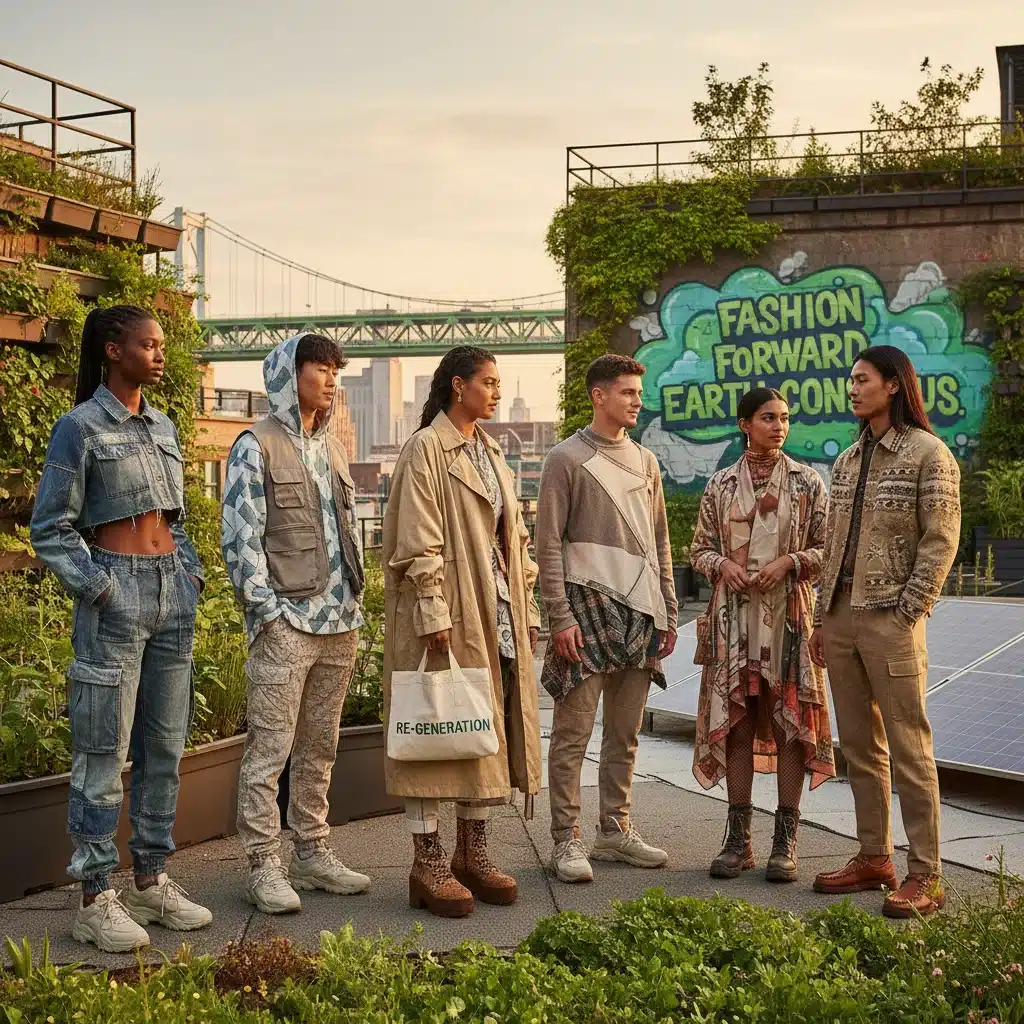
In an era defined by conscious choices and a growing awareness of our planet’s fragility, the fashion industry, historically a significant contributor to environmental degradation, is undergoing a profound transformation. At the forefront of this revolution is the rise of sustainable streetwear. What was once considered a niche movement has blossomed into a powerful force, reshaping consumer expectations and industry practices. By 2026, sustainable streetwear is no longer just a trend; it’s a fundamental pillar of modern fashion, blending cutting-edge design with unwavering ethical and environmental responsibility.
The journey towards sustainable streetwear has been multifaceted, driven by innovative designers, ethical manufacturers, and increasingly informed consumers. This article delves into the evolution of this dynamic sector, highlighting the key principles that define it and, most importantly, shining a spotlight on 10 pioneering brands that are leading the charge. These are the brands that, by 2026, have mastered the art of creating stylish, desirable streetwear while upholding the highest standards of sustainability, proving that fashion can indeed be both chic and responsible.
Anúncios
The Genesis of Sustainable Streetwear: A Paradigm Shift
Streetwear, with its roots in counter-culture movements, skateboarding, surfing, and hip-hop, has always been about self-expression and authenticity. However, its rapid growth often mirrored the fast fashion model, leading to concerns about overproduction, waste, and unethical labor practices. The shift towards sustainable streetwear began as a response to these issues, a realization that true authenticity extends beyond aesthetics to encompass the entire lifecycle of a garment.
Early pioneers in sustainable streetwear faced significant challenges, from sourcing eco-friendly materials to educating consumers about the value of ethical production. Yet, their persistence laid the groundwork for the robust movement we see today. By 2026, the conversation has moved beyond mere awareness to active demand, with consumers actively seeking out brands that align with their values.
Defining Sustainable Streetwear in 2026
What exactly makes a streetwear brand sustainable in today’s landscape? It’s a holistic approach that encompasses several critical areas:
Anúncios
- Material Innovation: The bedrock of sustainable streetwear lies in its materials. This includes organic cotton, recycled polyester, hemp, Tencel, modal, and innovative bio-based fabrics derived from sources like mushrooms or algae. Brands are also exploring upcycling and deadstock fabric utilization to minimize waste.
- Ethical Production: Fair labor practices, safe working conditions, and living wages for all workers involved in the supply chain are non-negotiable. Transparency in manufacturing processes is key, allowing consumers to trace a garment’s journey from raw material to finished product.
- Circular Economy Principles: Moving away from a linear ‘take-make-dispose’ model, sustainable streetwear brands are embracing circularity. This means designing for durability, repairability, and recyclability. Some brands offer take-back programs, encouraging customers to return old garments for recycling or repurposing.
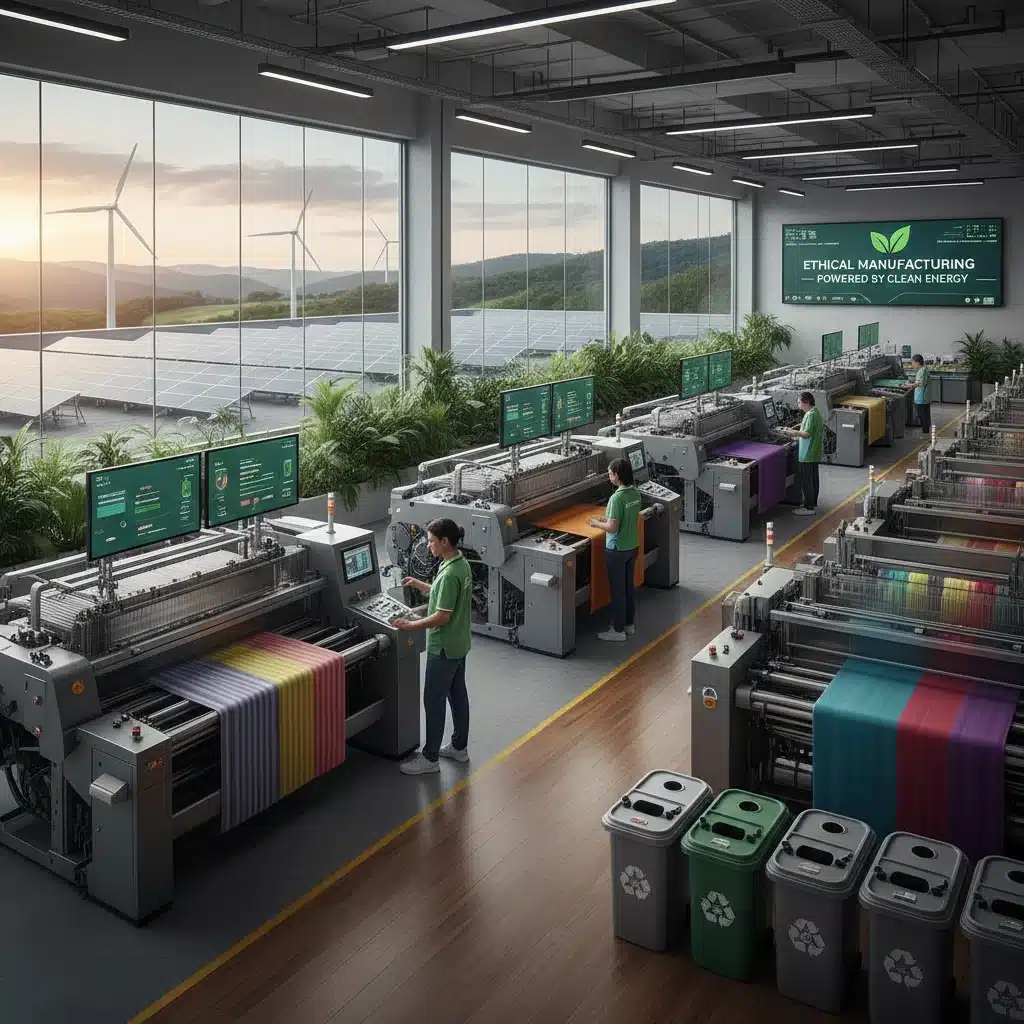
- Reduced Environmental Impact: This involves minimizing water usage, energy consumption (often through renewable sources), and chemical pollution throughout the production process. Carbon footprint reduction is also a major focus, from manufacturing to shipping.
- Longevity and Quality: Sustainable streetwear is an antidote to fast fashion. Garments are designed to last, both in terms of physical durability and timeless style, encouraging consumers to buy less and choose well.
- Transparency and Education: Leading brands are open about their supply chains, certifications, and challenges. They actively educate their customer base on sustainable practices and the impact of their purchasing decisions.
These principles form the foundation upon which the leading sustainable streetwear brands of 2026 are built. They represent a commitment not just to fashion, but to a better future.
The Top 10 Sustainable Streetwear Brands Leading the Charge in 2026
As we navigate the evolving landscape of ethical fashion, certain brands have consistently demonstrated their commitment to sustainability while delivering exceptional style. Here are 10 sustainable streetwear brands that are defining the movement in 2026, setting benchmarks for innovation, ethics, and design:
1. Patagonia (Streetwear Division)
While a stalwart in outdoor gear, Patagonia’s streetwear offerings have become increasingly prominent and influential in the sustainable fashion space. Their commitment to environmental activism, durable design, and radical transparency is unparalleled. By 2026, their streetwear lines, often made from recycled fishing nets, organic cotton, and fair-trade certified factories, are a go-to for conscious consumers seeking both style and substance. Their Worn Wear program, promoting repair and reuse, exemplifies circularity.
2. Noah NYC
Founded by former Supreme creative director Brendon Babenzien, Noah brings a sophisticated, mature aesthetic to sustainable streetwear. Their dedication to ethical manufacturing, sourcing high-quality, often natural fibers, and supporting local communities is central to their ethos. By 2026, Noah continues to champion transparency, often detailing the origins of their materials and the factories they work with, making them a leader in responsible luxury streetwear.
3. Pangaia
Pangaia burst onto the scene with its innovative material science focus, and by 2026, they are synonymous with future-forward sustainable streetwear. Their collections feature materials like seaweed fiber, recycled cotton, and their signature ‘FLWRDWN’ made from wildflowers. Each product comes with detailed information about its environmental footprint, empowering consumers with knowledge. Their vibrant, minimalist designs have made them a favorite among those seeking both comfort and cutting-edge eco-innovation.
4. Outerknown
Co-founded by surfing legend Kelly Slater, Outerknown has seamlessly blended surf culture with sustainable practices. Their commitment to fair labor practices (Fair Trade certified) and using sustainable materials like organic cotton, hemp, and recycled fishing nets (ECONYL) has made them a leading force. Their relaxed yet stylish streetwear pieces, from hoodies to denim, embody a laid-back, responsible lifestyle.
5. Everybody.World
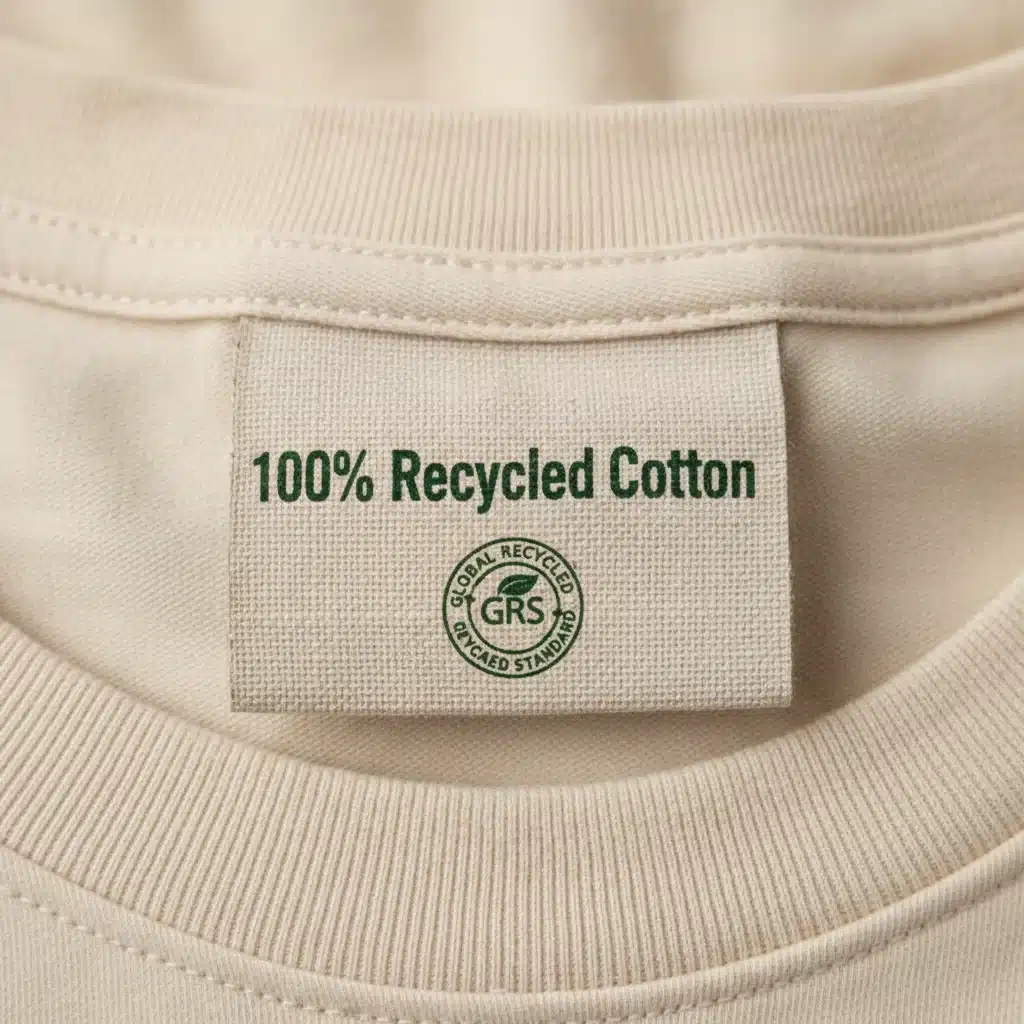
This Los Angeles-based brand is a trailblazer in circular fashion, famous for its 100% recycled cotton ‘Trash Tee’ that is designed to be recycled again. By 2026, Everybody.World continues to push boundaries with its commitment to ethical manufacturing in local factories, using sustainable materials, and ensuring transparency. Their simple, high-quality basics are a staple for anyone building a sustainable streetwear wardrobe.
6. Nudie Jeans
While specializing in denim, Nudie Jeans has expanded its influence into broader streetwear categories, all while maintaining an unwavering commitment to sustainability. Their entire denim range is made from 100% organic cotton, and they offer free repairs for life, actively promoting longevity and reducing waste. By 2026, their repair shops and take-back programs are integral to their circular model, solidifying their position as a responsible denim and streetwear icon.
7. Tentree
As their name suggests, Tentree plants ten trees for every item purchased, a powerful and tangible commitment to reforestation. Their streetwear collections are crafted from sustainable materials like organic cotton, recycled polyester, Tencel, and hemp. By 2026, Tentree’s blend of comfortable, stylish designs with a clear environmental mission resonates deeply with a generation eager to make a difference through their purchases.
8. Girlfriend Collective
Though primarily known for activewear, Girlfriend Collective’s aesthetic and core values align perfectly with sustainable streetwear. Their leggings, bras, and loungewear are made from recycled plastic bottles, and their packaging is 100% recycled and recyclable. By 2026, their commitment to size inclusivity, ethical manufacturing, and transparent supply chains makes them a significant player for comfortable, eco-conscious layering pieces in any streetwear ensemble.
9. Kotn
Kotn focuses on creating essential, high-quality basics using ethically sourced, ultra-soft Egyptian cotton. They work directly with cotton farmers in Egypt, ensuring fair wages and supporting local communities. By 2026, Kotn’s simple yet refined streetwear pieces, known for their exceptional comfort and durability, represent a commitment to ethical supply chains and timeless design, proving that luxury can be responsible.
10. Reformation (Streetwear Capsules)
While known for their feminine dresses, Reformation has increasingly ventured into streetwear-inspired capsules, bringing their robust sustainability framework to new silhouettes. They meticulously track their environmental footprint, from water usage to waste, and use sustainable materials like Tencel, recycled fabrics, and organic cotton. By 2026, their expansion into more casual, urban-friendly pieces offers a stylish and sustainable option for a broader audience, maintaining their signature transparency and commitment to reducing fashion’s impact.
The Impact and Future of Sustainable Streetwear
The collective efforts of these brands, alongside countless others, are driving a significant shift in the fashion industry. By 2026, the impact of sustainable streetwear is evident in several key areas:
Consumer Empowerment and Education
Sustainable streetwear brands have played a crucial role in educating consumers about the environmental and social costs of fast fashion. Through transparent labeling, detailed product stories, and active engagement, they empower individuals to make informed choices, fostering a deeper connection between consumer and product. This growing awareness is creating a ripple effect, pressure more mainstream brands to adopt sustainable practices.
Innovation in Materials and Production
The demand for sustainable streetwear has spurred unprecedented innovation in textile science and manufacturing. Researchers and brands are continuously exploring new ways to create fabrics that are less resource-intensive, biodegradable, or made from waste products. Technologies like blockchain are increasingly used to ensure supply chain transparency, verifying the ethical origins of materials and labor.
Shifting Industry Norms
The success of sustainable streetwear brands is demonstrating to the wider fashion industry that profitability and sustainability are not mutually exclusive. This is leading to a gradual but significant shift in industry norms, with more brands integrating eco-friendly practices into their core business models, driven by both consumer demand and regulatory pressures.
Longevity Over Trend Cycles
Sustainable streetwear inherently promotes a move away from fleeting trends towards timeless, durable pieces. This focus on longevity not only reduces waste but also encourages a more considered approach to personal style. Investing in high-quality, ethically made garments becomes a statement against consumerism and a commitment to a more sustainable wardrobe.
Challenges and the Road Ahead
Despite the remarkable progress, the sustainable streetwear movement still faces challenges. Scaling sustainable practices to meet global demand without compromising ethical standards remains a complex task. The cost of sustainable materials and ethical production can sometimes translate to higher price points, making it less accessible to all consumers. Furthermore, combating greenwashing – where brands make misleading claims about their environmental efforts – requires constant vigilance and robust certification standards.
However, the momentum is undeniable. By 2026, the industry is seeing increased collaboration between brands, NGOs, and governments to address these issues collectively. Technological advancements are making sustainable materials more affordable and scalable. Consumer demand for genuine sustainability continues to grow, putting pressure on all players to adhere to higher standards.
How You Can Support the Sustainable Streetwear Movement
As a consumer, your choices have immense power. Here’s how you can contribute to the growth and impact of sustainable streetwear:
- Educate Yourself: Learn about sustainable materials, ethical labor practices, and the environmental impact of fashion. Understand what certifications mean and look for them.
- Choose Wisely: Invest in pieces from brands known for their genuine commitment to sustainability, like the ones highlighted in this article. Prioritize quality and longevity over quantity.
- Ask Questions: Don’t hesitate to inquire about a brand’s supply chain, materials, and production processes. Your questions signal demand for transparency.
- Care for Your Clothes: Extend the life of your garments by following care instructions, repairing them when needed, and avoiding excessive washing.
- Support Circularity: Utilize repair services, participate in take-back programs, and consider buying second-hand or swapping clothes to keep items in circulation longer.
- Spread the Word: Share your knowledge and enthusiasm for sustainable streetwear with friends and family, encouraging them to make conscious choices.
Conclusion
The evolution of sustainable streetwear is a testament to the power of innovation, ethics, and consumer demand. By 2026, the brands leading this charge are not just creating fashionable clothing; they are building a blueprint for a more responsible and equitable fashion industry. They prove that style doesn’t have to come at the expense of the planet or its people. As we look to the future, the integration of sustainability into every facet of streetwear will only deepen, making conscious consumption the new standard and ensuring that fashion continues to inspire, without compromise.
Embracing sustainable streetwear is more than just a trend; it’s a commitment to a lifestyle that values craftsmanship, environmental stewardship, and social justice. These 10 brands represent the pinnacle of this movement, offering compelling choices for anyone who believes that what we wear should reflect our highest values.