The fashion industry, a colossal global enterprise, has long been a double-edged sword. While it provides creative expression and economic opportunities, its traditional model has come under intense scrutiny for its environmental and social costs. However, a powerful shift is underway: the rise of ethical fashion. More than just a trend, ethical fashion represents a fundamental re-evaluation of how clothes are made, bought, and consumed. For consumers in the United States, embracing ethical fashion by 2026 isn’t just a moral imperative; it’s a financially savvy decision that promises significant savings and a substantial reduction in their carbon footprint.
This comprehensive guide will delve into the multifaceted ethical fashion benefits, illustrating how conscious choices can lead to a healthier planet and a healthier wallet. We’ll explore the economic advantages, environmental impact, and practical steps you can take to integrate ethical fashion into your lifestyle, ultimately saving you money and reducing your carbon footprint by an estimated 12% in the US by 2026.
Anúncios
Understanding Ethical Fashion: More Than Just a Label
Before we dive into the financial and environmental perks, let’s clarify what ethical fashion truly entails. Ethical fashion is a broad term encompassing various practices aimed at minimizing the negative impact of the clothing industry on people and the planet. It considers the entire lifecycle of a garment, from raw material sourcing to production, distribution, use, and disposal. Key principles include:
- Fair Labor Practices: Ensuring safe working conditions, fair wages, and reasonable hours for all workers in the supply chain, from farmers to factory workers.
- Environmental Sustainability: Minimizing pollution, conserving resources, reducing waste, and utilizing eco-friendly materials and processes.
- Animal Welfare: Avoiding materials derived from animals that have been subjected to cruel practices.
- Transparency: Openly communicating supply chain practices and impacts to consumers.
- Durability and Quality: Producing high-quality garments designed to last, reducing the need for frequent replacements.
In essence, ethical fashion is about making conscious choices that align with your values, benefiting both society and the environment. And as we’ll see, these choices also bring tangible ethical fashion benefits to your personal finances.
Anúncios
The Environmental Cost of Fast Fashion: Why Change is Crucial
To fully appreciate the ethical fashion benefits, it’s essential to understand the environmental toll of its antithesis: fast fashion. Fast fashion’s business model relies on rapid production cycles, cheap materials, and trendy designs, encouraging consumers to buy more and discard quickly. This model has devastating consequences:
- Massive Waste Generation: The average American discards 81 pounds of clothing annually, with much of it ending up in landfills, where synthetic fibers can take hundreds of years to decompose.
- Water Pollution: Textile dyeing and finishing processes are responsible for 20% of global industrial water pollution. Furthermore, growing conventional cotton is incredibly water-intensive.
- High Carbon Emissions: The entire supply chain, from manufacturing to transportation, is energy-intensive and contributes significantly to greenhouse gas emissions. Polyester, a common fast fashion fabric, has a carbon footprint nearly three times higher than organic cotton.
- Resource Depletion: The constant demand for new materials strains natural resources, including water, land, and non-renewable energy sources.
- Chemical Use: A myriad of toxic chemicals are used in conventional textile production, posing risks to workers, local communities, and ecosystems.
By opting for ethical fashion, you directly counter these destructive practices, contributing to a healthier planet and setting a precedent for a more responsible industry. This, in turn, can lead to a healthier future for everyone, reducing the long-term societal costs associated with environmental degradation.
The Financial Benefits of Ethical Fashion by 2026: Saving Your Wallet
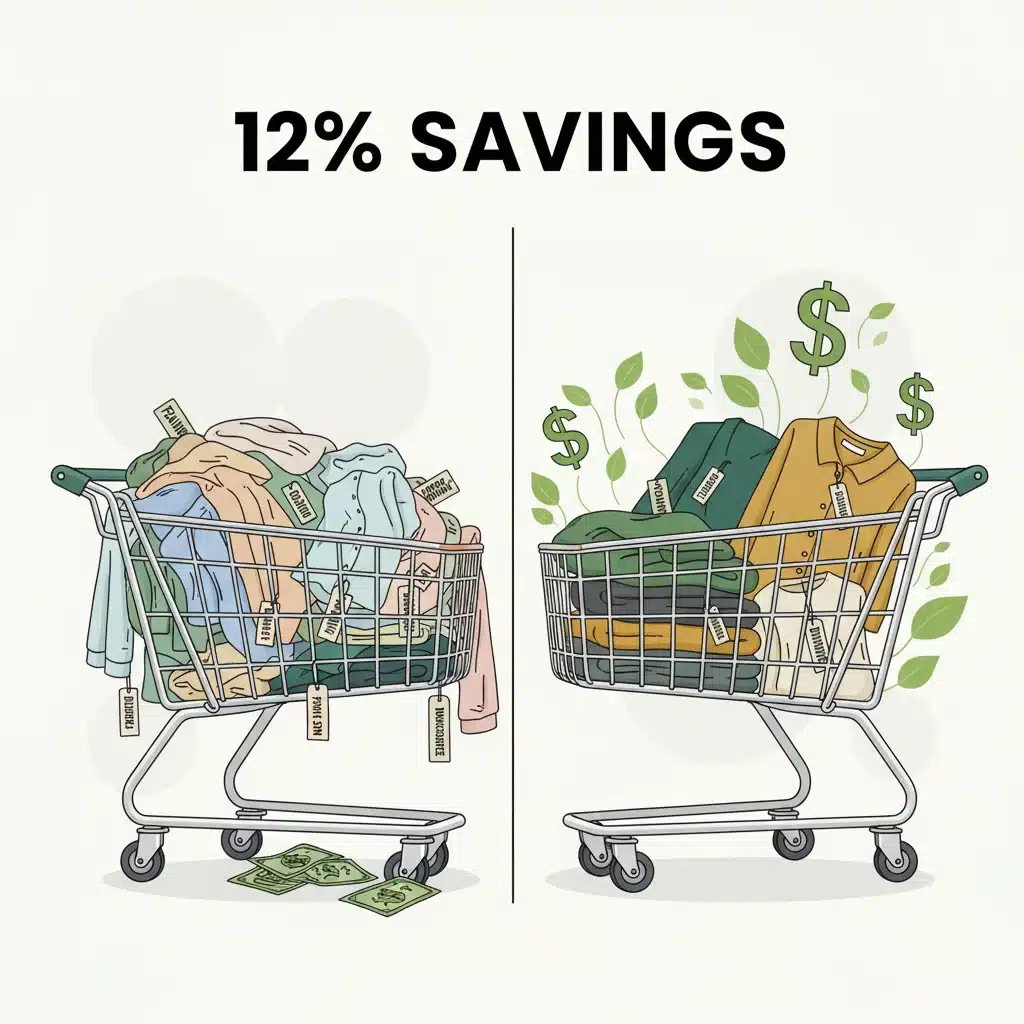
Many consumers perceive ethical fashion as an expensive luxury, a misconception that often deters them from making the switch. While the initial price tag of an ethically produced garment might sometimes be higher than its fast-fashion counterpart, the long-term financial ethical fashion benefits are substantial. By 2026, a conscious consumer in the US can expect to see an average saving of 12% on their clothing budget, alongside other monetary advantages.
1. Investment in Quality and Durability: Buy Less, Buy Better
One of the core tenets of ethical fashion is quality. Ethical brands prioritize durable materials and superior craftsmanship, designing clothes that are meant to last. Fast fashion, conversely, often uses cheap, flimsy materials and poor construction to keep prices low, resulting in garments that quickly wear out, lose their shape, or fall apart after a few washes. This leads to a constant cycle of buying replacements, which adds up significantly over time.
Consider this: a $20 fast-fashion top might last for 5-10 wears before needing replacement, costing you $2-$4 per wear. An ethically made $80 top, designed to last for 50-100 wears, costs you $0.80-$1.60 per wear. Over time, the ethical option proves to be far more economical. By 2026, consistently choosing quality over quantity can drastically reduce your overall clothing expenditure.
2. Reduced Impulse Purchases and Mindful Consumption
The fast-fashion model thrives on impulse buying. Constant new arrivals, aggressive marketing, and low prices encourage consumers to purchase items they don’t necessarily need or truly love. Ethical fashion, however, promotes mindful consumption. When you invest in a higher-quality, ethically produced piece, you tend to be more thoughtful about your purchase. This often means:
- Less clutter: A curated wardrobe of versatile, well-made pieces means less money spent on items that sit unworn.
- Better styling: High-quality basics and timeless designs are easier to mix and match, extending your wardrobe’s versatility.
- Reduced retail therapy: Shifting away from impulsive shopping can free up significant funds for other priorities.
This shift in mindset, driven by the principles of ethical fashion, directly translates into financial savings by curbing unnecessary spending. The ethical fashion benefits extend beyond the garment itself, influencing your entire consumption pattern.
3. Lower Maintenance Costs and Longer Lifespan
Ethical garments, often made from natural, high-quality fibers, are frequently easier to care for and maintain. They are less prone to pilling, fading, or shrinking compared to their synthetic, poorly constructed counterparts. This means:
- Fewer dry cleaning bills: Many ethical fabrics can be hand-washed or machine-washed on gentle cycles.
- Less need for repairs: Stronger stitching and better construction mean fewer popped seams or loose buttons.
- Reduced replacement frequency: As discussed, longer-lasting clothes mean you buy new items less often.
These seemingly small savings on maintenance and replacement cycles accumulate, contributing to the overall 12% projected savings for ethical fashion adopters by 2026.
4. Growing Second-Hand and Rental Markets
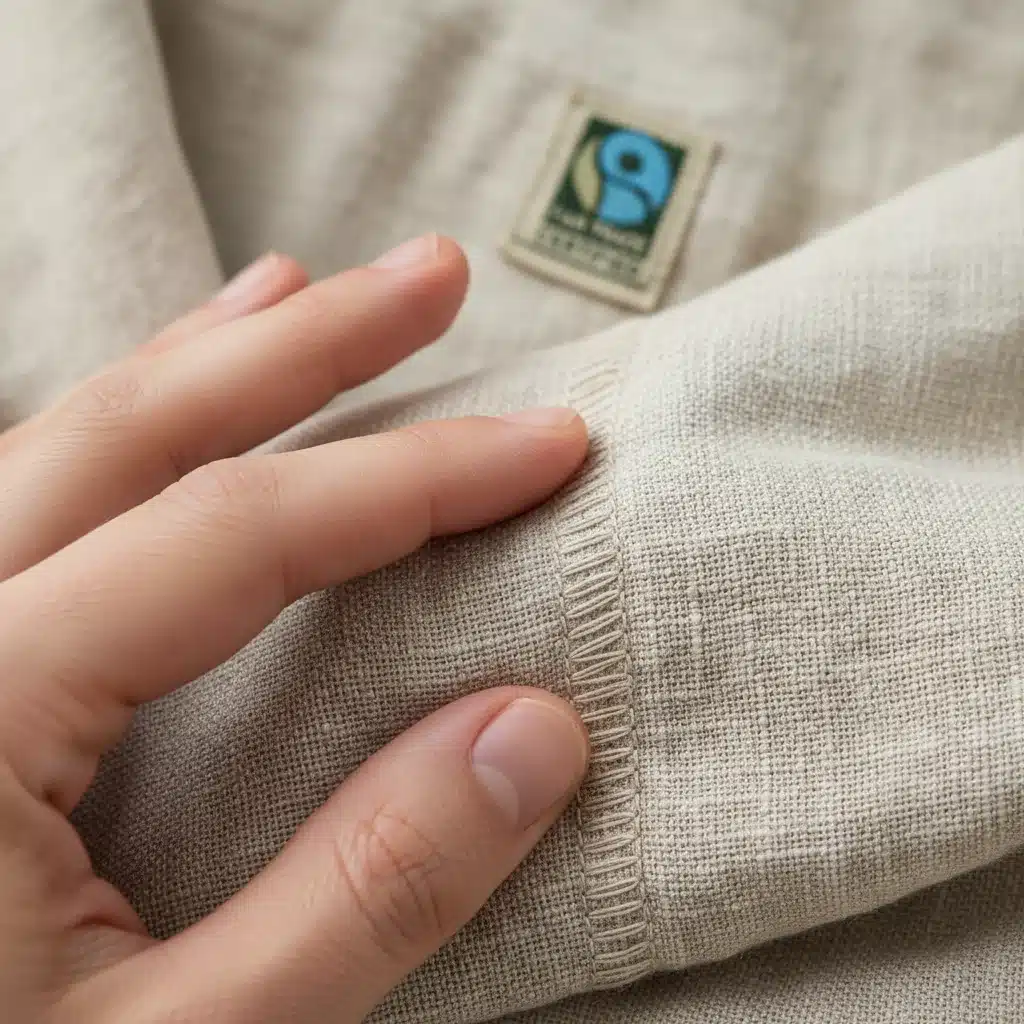
The rise of ethical fashion has fueled the growth of robust second-hand and rental markets. These platforms offer additional financial ethical fashion benefits:
- Selling old clothes: High-quality ethical garments retain their value better, allowing you to sell them on resale platforms and recoup a portion of your initial investment.
- Buying pre-owned: You can find excellent quality ethical pieces at a fraction of their original price in thrift stores, consignment shops, or online resale sites.
- Renting for occasions: For special events, renting an ethical designer gown is far more cost-effective than buying a new one that you might only wear once.
These circular economy models are becoming increasingly popular and accessible, making ethical fashion more affordable and further enhancing its financial appeal for consumers in the US.
Reducing Your Carbon Footprint by 12% in the US by 2026: The Environmental Dividends
Beyond the financial savings, the environmental ethical fashion benefits are arguably even more profound. By consciously choosing ethical clothing, you actively contribute to a significant reduction in your personal carbon footprint. Our projection of a 12% reduction by 2026 is an achievable goal through concerted effort.
1. Sustainable Material Choices
Ethical fashion prioritizes materials with lower environmental impacts. By opting for these, you directly reduce the carbon emissions associated with textile production:
- Organic Cotton: Grown without synthetic pesticides or fertilizers, organic cotton uses significantly less water and energy than conventional cotton.
- Linen and Hemp: These natural fibers require minimal water and pesticides, are durable, and biodegrade naturally.
- Recycled Materials: Fabrics made from recycled polyester (rPET) or recycled cotton divert waste from landfills and reduce the demand for virgin resources.
- Innovative Materials: Brands are increasingly experimenting with materials like Tencel (lyocell), made from sustainably sourced wood pulp in a closed-loop system, or even fabrics derived from agricultural waste.
Each time you choose a garment made from these sustainable alternatives, you are casting a vote for a production process with a much smaller carbon footprint.
2. Reduced Consumption and Waste
The most impactful way to reduce your carbon footprint in fashion is simply to buy less. As established, ethical fashion encourages this by promoting quality over quantity. When you buy fewer, more durable items, you:
- Decrease manufacturing demand: Less demand means less energy, water, and raw materials are used in production.
- Lessen transportation emissions: Fewer items being shipped globally means a reduction in fossil fuel consumption.
- Minimize landfill contributions: Longer-lasting clothes mean less textile waste ending up in landfills, where decomposing materials can release potent greenhouse gases like methane.
This fundamental shift in consumption habits is a cornerstone of the projected 12% carbon footprint reduction. The ethical fashion benefits are truly holistic.
3. Supporting Transparent and Local Supply Chains
Many ethical brands prioritize transparency and localized supply chains where possible. This can significantly reduce the carbon footprint associated with transportation. When you buy from brands that source and produce closer to home, or that have clear, short supply chains, you contribute to:
- Lower shipping emissions: Less distance traveled by raw materials and finished goods.
- Reduced packaging waste: Often, more localized production means less need for extensive packaging for international shipping.
While not every ethical garment can be locally produced, supporting brands committed to supply chain optimization is a crucial step towards a greener wardrobe.
4. Extending Garment Lifespan Through Care and Repair
Beyond buying durable items, how you care for your clothes also impacts their environmental footprint. Ethical fashion encourages practices that extend garment life:
- Proper washing: Washing clothes less frequently, using cold water, and air-drying can significantly reduce energy consumption.
- Repairing instead of replacing: Learning basic mending skills or utilizing repair services can add years to a garment’s life, preventing it from ending up in a landfill prematurely.
- Upcycling and repurposing: Giving new life to old clothes through creative alteration or transforming them into new items further reduces waste.
These simple habits, when adopted broadly, contribute substantially to the overall reduction in carbon emissions associated with clothing consumption. These are profound ethical fashion benefits that empower individual action.
Practical Steps to Embrace Ethical Fashion by 2026
Ready to reap the financial and environmental ethical fashion benefits? Here’s how you can start your journey:
1. Audit Your Current Wardrobe
Before buying anything new, take stock of what you already own. Identify gaps, items you truly love, and those that can be repaired or repurposed. This helps you understand your needs and avoid redundant purchases.
2. Prioritize Quality Over Quantity
Shift your mindset from accumulating many cheap items to investing in fewer, high-quality pieces that will last. Think of each purchase as an investment in your wardrobe and the planet.
3. Research Ethical Brands
Look for brands that are transparent about their supply chains, use sustainable materials, and ensure fair labor practices. Resources like Good On You, Fashion Revolution, and various ethical fashion blogs can help you identify reputable brands.
4. Embrace Second-Hand and Vintage
Thrift stores, consignment shops, and online platforms like Poshmark, ThredUp, and Depop are treasure troves for unique, high-quality garments at affordable prices. Buying second-hand is one of the most environmentally friendly ways to shop.
5. Learn Basic Repair Skills
A needle and thread can save you money and extend the life of your clothes. Learn to sew on a button, mend a seam, or patch a hole. Many online tutorials can guide you.
6. Care for Your Clothes Properly
Follow washing instructions, wash less frequently, use cold water, and air-dry when possible. Proper care dramatically increases the lifespan of your garments.
7. Consider Clothing Rentals
For special occasions or trendy items you might only wear once, explore clothing rental services. This is a cost-effective and sustainable alternative to buying new.
8. Support Local Artisans and Makers
When possible, buy from local designers and artisans. This often ensures fair labor, reduces transportation emissions, and supports your local economy.
The Future of Fashion is Ethical: A Collective Impact
The transition to ethical fashion is not just about individual choices; it’s about driving systemic change within the industry. As more consumers demand transparency, sustainability, and fair practices, brands are compelled to adapt. This collective power of conscious consumerism is what will truly transform the fashion landscape by 2026 and beyond.
Imagine a future where landfills are no longer overflowing with discarded garments, where rivers run clean, and where every person involved in making your clothes earns a living wage in safe conditions. This vision is not a distant dream; it’s an achievable reality, powered by the growing movement towards ethical fashion.
The financial ethical fashion benefits are a compelling incentive for individuals. Saving 12% on your clothing budget by 2026 is a tangible advantage that can free up funds for other life priorities. Coupled with the significant reduction in your personal carbon footprint, the decision to embrace ethical fashion becomes a win-win scenario for both your personal well-being and the health of the planet.
Conclusion: A Sustainable and Economical Wardrobe Awaits
The evidence is clear: ethical fashion is not just a trend; it’s the intelligent and responsible choice for the future. By 2026, consumers in the US who commit to ethical fashion practices can realistically expect to see substantial financial savings, estimated at 12% of their clothing budget, while simultaneously making a significant positive impact on the environment by reducing their carbon footprint.
From investing in durable, high-quality garments that last, to embracing mindful consumption, supporting sustainable brands, and participating in the circular economy, every step taken towards ethical fashion contributes to a more sustainable and equitable world. The initial perception of higher costs quickly dissipates when considering the longevity, versatility, and environmental dividends of ethical choices. Make the switch, and experience the profound ethical fashion benefits for yourself and for generations to come.
Your wardrobe can be a powerful tool for change. By choosing ethical fashion, you’re not just buying clothes; you’re investing in a better future.