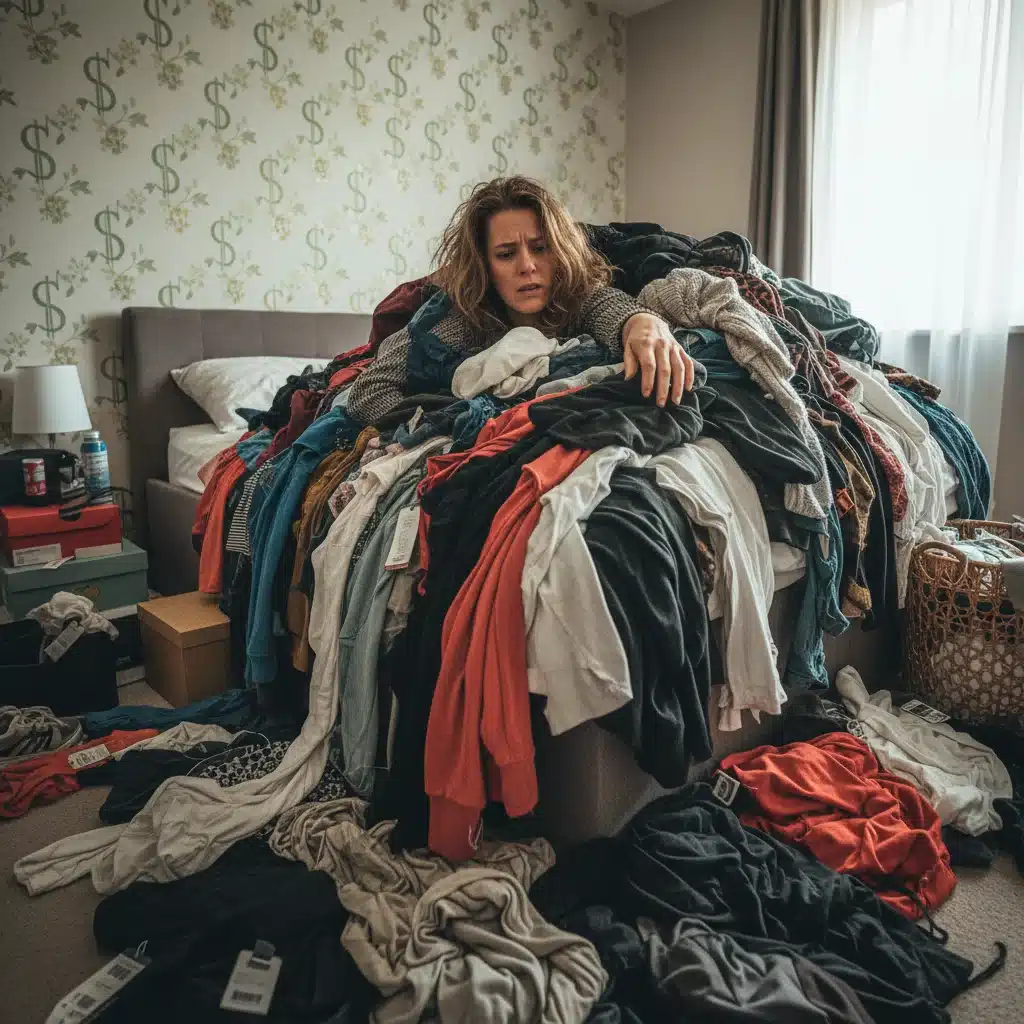
Fast Fashion’s Financial Drain: Save Up to 25% Annually by 2026
In the whirlwind of modern consumerism, few industries exert as much subtle yet profound influence on our daily lives and finances as fast fashion. It’s an industry built on rapid trend cycles, low prices, and disposable garments, designed to keep us constantly buying. While the allure of a new, trendy outfit at an unbeatable price is undeniable, the hidden costs – both environmental and financial – are becoming increasingly difficult to ignore. By 2026, the cumulative impact of these purchasing habits could be significantly impacting your financial health, but there’s good news: with strategic changes, you can save up to 25% annually.
Anúncios
This article will delve into the intricate ways fast fashion depletes your wallet and, more importantly, equip you with four actionable strategies to reclaim your financial power. We’ll explore how to identify the traps of impulse buying, cultivate a more sustainable wardrobe, and ultimately, build a financial future that isn’t dictated by fleeting trends. Understanding the true cost of fast fashion is the first step towards smarter, more sustainable, and more economical fashion choices.
The Hidden Costs of Fast Fashion: More Than Just the Price Tag
At first glance, fast fashion seems like a budget-friendly dream. A dress for $15, a top for $10 – these prices are designed to be irresistible. However, the true cost extends far beyond what you pay at the checkout. The industry thrives on a ‘wear-once, discard-often’ mentality, leading to a constant need for new purchases. This insidious cycle creates a financial drain that many consumers don’t fully recognize until they analyze their spending habits.
Anúncios
Consider the lifespan of a fast fashion garment. Often made with low-quality materials and poor construction, these items are not built to last. A shirt bought for a bargain might fall apart after a few washes, fade quickly, or lose its shape, necessitating a replacement sooner than you’d expect. This constant need to replace items means that while individual purchases are cheap, the cumulative spending over a year can be substantial. Instead of investing in a few durable pieces, consumers find themselves repeatedly buying cheap substitutes, which ultimately costs more in the long run.
Beyond the direct replacement costs, there’s the psychological impact. Fast fashion fuels a culture of instant gratification and encourages impulse buying. Advertisements and social media constantly showcase new collections, creating a perceived need for the latest trends. This pressure to keep up can lead to emotional spending, where purchases are driven by a desire for novelty or social acceptance rather than genuine need. Such habits erode savings and divert funds from more meaningful financial goals.
Furthermore, the environmental and ethical costs, while not directly reflected in your personal budget, contribute to a broader economic burden. The immense waste generated by fast fashion, the pollution from manufacturing, and the exploitation of labor in production countries all have societal costs that eventually circle back to impact consumers, whether through taxes, environmental degradation, or compromised working conditions globally. Understanding these multifaceted costs is crucial to breaking free from the fast fashion trap and realizing significant fast fashion savings.
Strategy 1: Embrace the Capsule Wardrobe for Maximum Fast Fashion Savings
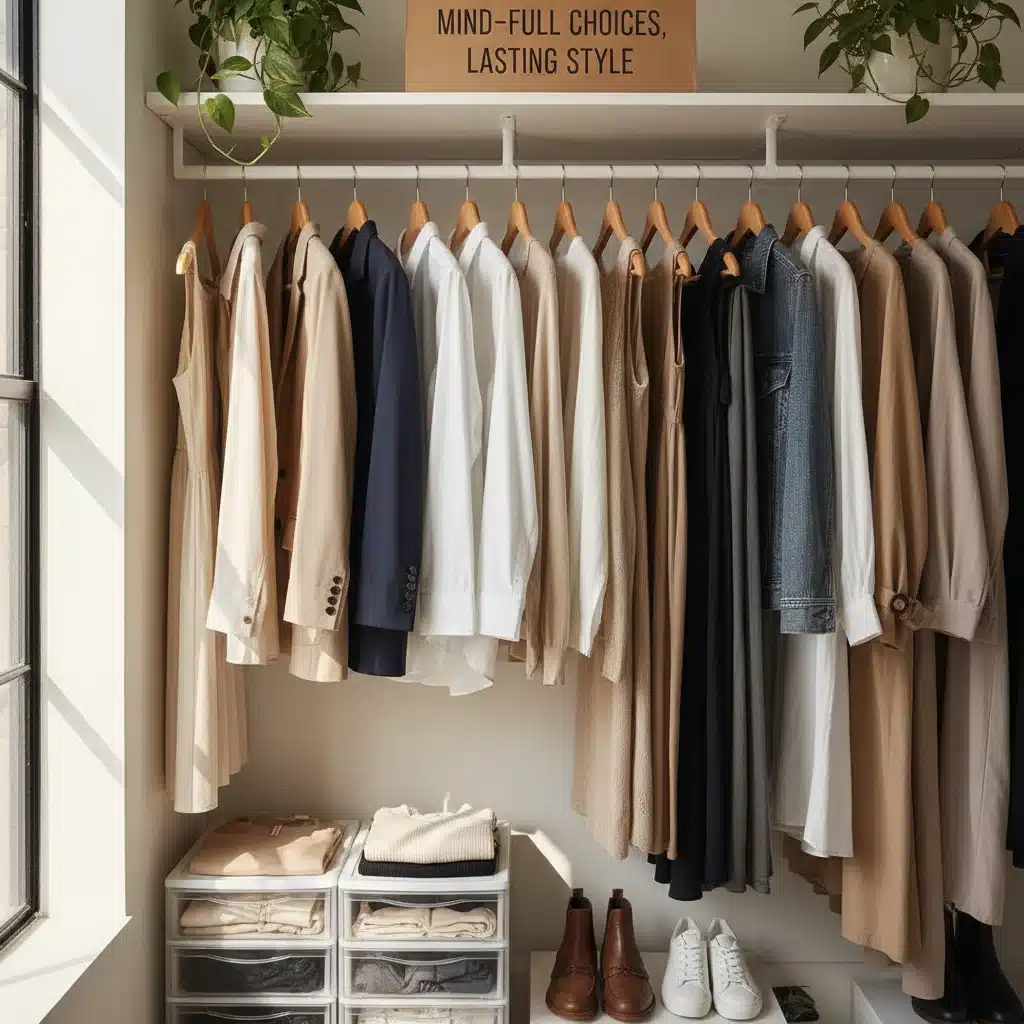
One of the most effective ways to combat the financial drain of fast fashion is to adopt the capsule wardrobe concept. A capsule wardrobe is a curated collection of versatile, high-quality clothing items that can be mixed and matched to create numerous outfits. The philosophy behind it is ‘less is more,’ focusing on timeless pieces rather than fleeting trends.
Implementing a capsule wardrobe requires an initial investment in durable, well-made garments. While these items might have a higher upfront cost than their fast fashion counterparts, their longevity and versatility lead to substantial long-term fast fashion savings. Imagine buying a classic pair of jeans that lasts five years versus five pairs of cheap jeans that each last a few months. The math quickly adds up.
To start your capsule wardrobe, begin by decluttering your current closet. Identify pieces you truly love, wear regularly, and that fit well. Discard or donate items that are worn out, ill-fitting, or haven’t been worn in over a year. Then, identify gaps in your wardrobe – essential items that would complete outfits or provide versatility. Focus on neutral colors and classic silhouettes that can be easily paired together. This thoughtful approach reduces the need for constant shopping and ensures every purchase is a considered investment.
A well-planned capsule wardrobe not only saves money but also reduces decision fatigue, simplifies your morning routine, and minimizes your environmental footprint. By carefully selecting pieces that serve multiple purposes and stand the test of time, you effectively cut down on impulse buys and the overall volume of clothing you purchase, leading directly to significant annual savings.
Strategy 2: Prioritize Quality Over Quantity – The Long-Term Financial Gain
The fast fashion model encourages quantity: buy more, spend less per item. However, this often translates to spending more overall due to the need for frequent replacements. Shifting your mindset to prioritize quality over quantity is a pivotal step in achieving substantial fast fashion savings.
High-quality garments are typically made from better materials like organic cotton, linen, wool, or Tencel, and are constructed with superior craftsmanship. This means they are more durable, maintain their appearance longer, and often feel better to wear. While a premium sweater might cost $100 compared to a fast fashion equivalent at $25, if the quality sweater lasts ten years and the cheap one lasts one year, you’ve saved $150 over that decade by making the initial quality investment.
Learning to identify quality is a skill that develops over time. Look for sturdy stitching, natural fibers, reinforced seams, and well-finished details. Research brands known for their ethical practices and commitment to durability. Reading reviews and understanding fabric compositions can also guide your purchasing decisions. Avoid synthetic blends that often pill or lose shape quickly.
This strategy also extends to caring for your clothes. Proper laundry techniques, mending minor damages, and storing garments correctly can significantly extend their lifespan, further reducing the need for new purchases. Investing in a few timeless, high-quality pieces that can be repaired and maintained means less frequent shopping trips and a healthier bank account. This approach allows you to build a resilient wardrobe that serves you for years, rather than a disposable collection that constantly demands replenishment, directly contributing to your fast fashion savings goals.
Strategy 3: Embrace Second-Hand and Sustainable Shopping Alternatives
The rise of the circular economy offers incredible opportunities for fast fashion savings and more sustainable consumption. Buying second-hand, thrifting, and exploring sustainable brands are powerful alternatives to the traditional fast fashion cycle.
Thrifting and Consignment Stores: A Treasure Trove of Savings
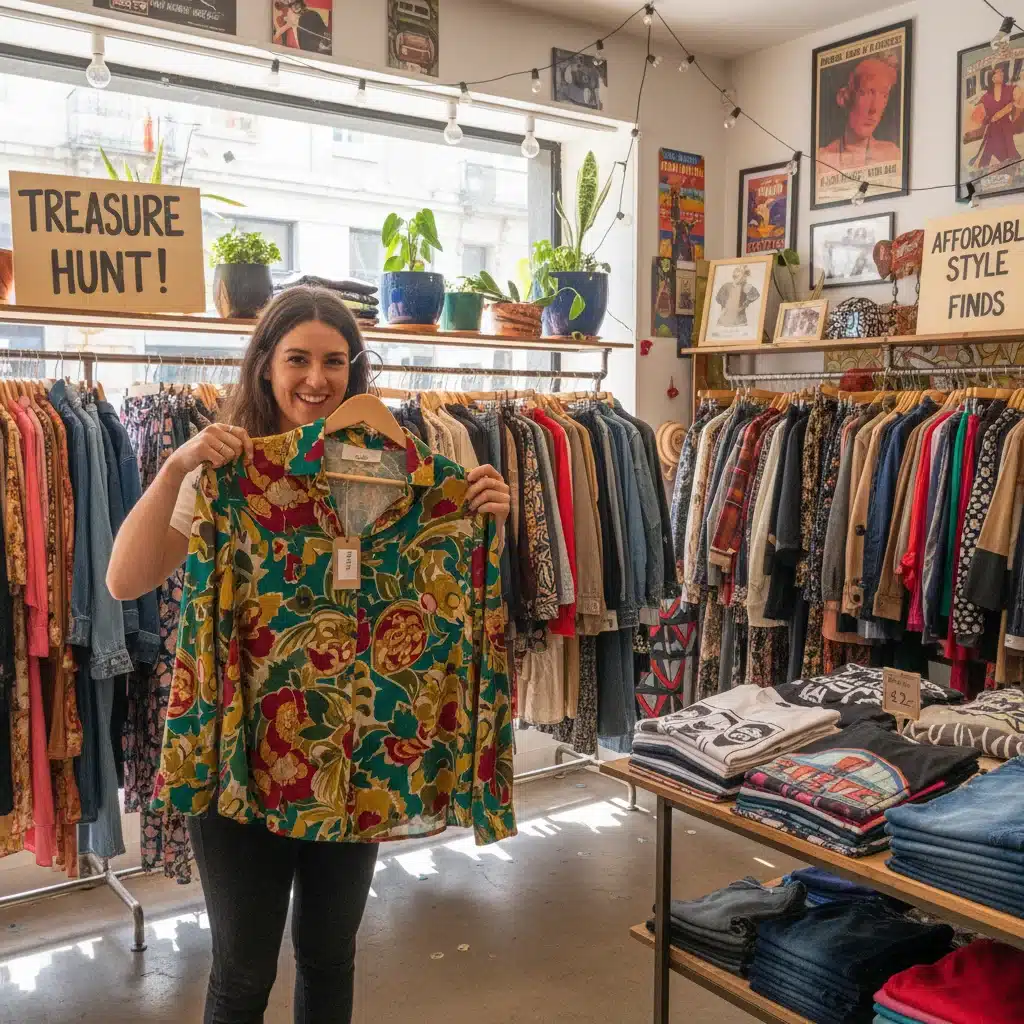
Second-hand shopping, whether at thrift stores, consignment shops, or online marketplaces, is arguably one of the most impactful ways to save money on clothing. You can find high-quality, often designer, items at a fraction of their original price. Many garments found in these stores are barely worn or even new with tags. This not only saves you money but also gives clothes a second life, reducing waste and supporting a more circular economy.
Platforms like ThredUp, Poshmark, Depop, and local consignment stores have made finding stylish second-hand clothing easier than ever. Dedicate some time to browse; you might be surprised by the unique and valuable pieces you uncover. The thrill of finding a hidden gem is an added bonus!
Sustainable Brands: Invest in the Future
While often having a higher upfront cost, supporting sustainable and ethical fashion brands aligns with the ‘quality over quantity’ principle. These brands typically use eco-friendly materials, ensure fair labor practices, and design clothes for longevity. By choosing these options, you’re not only making a conscious choice for the planet and its people but also investing in garments that will last, ultimately reducing your long-term spending on replacements. Look for certifications like GOTS (Global Organic Textile Standard) or Fair Trade to guide your choices.
Clothing Swaps and Rentals: Innovative Solutions
Consider organizing or participating in clothing swaps with friends or community groups. This is a fantastic way to refresh your wardrobe for free. For special occasions or items you’ll only wear once or twice, clothing rental services (like Rent the Runway) offer a cost-effective and sustainable alternative to buying new. These options provide access to variety without the financial and environmental burden of ownership, significantly bolstering your fast fashion savings.
Strategy 4: Mindful Consumption and Budgeting for Your Wardrobe
The final, and perhaps most crucial, strategy for achieving significant fast fashion savings by 2026 is to cultivate mindful consumption habits and implement a strict clothing budget. Without awareness and control over your spending, even the best intentions can falter.
Track Your Spending
The first step in mindful consumption is understanding where your money is currently going. Use budgeting apps, spreadsheets, or even a simple notebook to track all your clothing purchases for a month or two. You might be shocked to see how much you’re spending on seemingly small, inexpensive items that accumulate rapidly. This awareness is a powerful motivator for change.
Set a Realistic Clothing Budget
Once you understand your current spending, set a realistic monthly or quarterly budget for clothing. This isn’t about deprivation but about intentional allocation of funds. Decide how much you can comfortably spend without compromising other financial goals. When you hit your budget, stop buying. This forces you to be more selective with your purchases and truly consider if an item is necessary or just an impulse.
Implement a ‘Shopping Ban’ or ‘One In, One Out’ Rule
Consider implementing a temporary shopping ban for a month or longer. This challenge can help break the cycle of habitual buying and allow you to appreciate the clothes you already own. Alternatively, adopt a ‘one in, one out’ rule: for every new item you bring into your wardrobe, one item must leave. This prevents accumulation and encourages thoughtful replacements rather than additions.
Avoid Impulse Buys and Sales Traps
Fast fashion thrives on urgency and sales. Be wary of ‘limited-time offers’ and ‘flash sales’ that pressure you into quick decisions. Before making a purchase, ask yourself: Do I truly need this? Does it fit my existing wardrobe? Can I afford it without impacting my budget? Waiting 24-48 hours before buying can often reveal whether a purchase is a genuine need or just a fleeting desire. Unsubscribe from marketing emails that tempt you with constant new arrivals and sales.
By intentionally slowing down your consumption, budgeting effectively, and resisting the siren call of fast fashion, you can significantly reduce your clothing expenditure. These practices not only lead to substantial fast fashion savings but also foster a healthier relationship with your belongings and your finances.
The 2026 Outlook: A More Sustainable and Fiscally Responsible You
The year 2026 isn’t far off, and the choices you make today regarding your fashion consumption will profoundly impact your financial well-being by then. The fast fashion industry shows no signs of slowing down its production cycles, meaning the pressure to buy will only intensify. However, armed with the strategies outlined above, you have the power to resist this pressure and forge a more financially secure path.
Imagine the cumulative effect of saving 15-25% on your annual clothing budget over the next three years. That extra money could go towards paying down debt, building an emergency fund, investing in your future, or even funding a dream vacation. Beyond the financial gains, adopting a more mindful approach to fashion brings a sense of calm and clarity. Your wardrobe becomes a reflection of your values – quality, sustainability, and financial prudence – rather than a chaotic collection of disposable items.
The journey away from fast fashion is not about sacrificing style or enjoyment. In fact, many find that a curated, high-quality wardrobe offers more satisfaction and versatility than an overflowing closet of cheap garments. It’s about making conscious choices that align with your long-term goals and contribute to a healthier planet.
By embracing the capsule wardrobe, prioritizing quality, exploring second-hand and sustainable options, and practicing mindful budgeting, you are not just saving money; you are investing in a better future for yourself and the world. Start implementing these strategies today, and by 2026, you’ll be celebrating not only a more robust bank account but also a more sustainable and fulfilling lifestyle, having achieved significant fast fashion savings.
Conclusion: Reclaiming Your Wallet from Fast Fashion
Fast fashion, with its tantalizingly low prices and relentless trend cycles, has become a silent drain on many household budgets. Its allure is powerful, but its true financial and environmental costs are becoming increasingly evident. By understanding the insidious nature of this industry, consumers can empower themselves to make more informed and financially beneficial choices.
The four strategies discussed – embracing the capsule wardrobe, prioritizing quality over quantity, exploring second-hand and sustainable alternatives, and practicing mindful consumption with a strict budget – offer a comprehensive roadmap to significant fast fashion savings. These aren’t just temporary fixes; they are sustainable lifestyle changes that promise long-term financial benefits and a more responsible approach to consumption.
By 2026, imagine having diverted a substantial portion of your clothing budget towards more meaningful financial goals. Imagine a wardrobe filled with versatile, durable pieces you love, rather than a cluttered closet of forgotten impulse buys. This future is entirely within your reach. It requires a shift in mindset, a commitment to conscious buying, and a willingness to challenge the norms of consumer culture.
Take the first step today. Analyze your spending, declutter your closet, and make a conscious decision to break free from the fast fashion cycle. Your wallet, and the planet, will thank you for it. Start your journey towards significant fast fashion savings and a more sustainable lifestyle now.