Launch Your Fashion Brand in the US: 5 Essential Steps for 2026 Success

Anúncios
Are you an aspiring designer with a vision, a creative mind brimming with innovative ideas, and a burning desire to make your mark on the fashion world? The dream of launching your own fashion brand in the United States is more attainable than ever, yet it remains a highly competitive landscape. The US market, with its diverse consumer base, robust retail infrastructure, and influential trendsetters, offers unparalleled opportunities for growth and recognition. However, turning a mere concept into a thriving career requires meticulous planning, strategic execution, and a deep understanding of the industry’s nuances. This comprehensive guide will walk you through 5 essential steps to successfully launch fashion brand in the US by 2026, ensuring you’re not just another fleeting trend, but a lasting presence.
Anúncios
The fashion industry is constantly evolving, driven by technological advancements, shifting consumer preferences, and a growing emphasis on sustainability and ethical practices. To truly succeed, your brand must not only offer compelling designs but also resonate with contemporary values and effectively navigate the digital realm. We’ll delve into everything from defining your brand identity and designing your first collection to mastering production, marketing, and the crucial legal aspects that underpin a successful fashion enterprise. Whether you’re a seasoned professional or a complete newcomer, these steps are designed to provide a robust framework for your entrepreneurial journey.
Step 1: Define Your Brand Identity and Niche in the US Market
Before you even think about sketching a single garment, the most critical first step to launch fashion brand is to meticulously define its identity and carve out a distinct niche within the vast US market. This isn’t just about a logo or a catchy name; it’s about the very soul of your brand – what it stands for, who it serves, and what unique value it brings. A strong brand identity acts as your compass, guiding every decision from design to marketing.
Anúncios
Understanding Your Vision and Values
Begin by articulating your core vision. What kind of fashion do you want to create? What message do you want to convey? Consider your personal values and how they can be woven into your brand’s ethos. Are you passionate about sustainable practices, ethical manufacturing, size inclusivity, or perhaps a particular aesthetic that’s currently underserved? Your values will differentiate you and attract like-minded customers.
Identifying Your Target Audience
Who are you designing for? This is a fundamental question. The US market is incredibly diverse, encompassing various demographics, psychographics, and lifestyles. Research your ideal customer: their age, gender (if applicable), income level, geographic location, interests, purchasing habits, and what drives their fashion choices. Are they Gen Z trendsetters, eco-conscious millennials, professional women, or luxury connoisseurs? Creating detailed buyer personas will help you tailor your designs, marketing messages, and even pricing strategies effectively. Understanding your target audience is paramount when you aim to launch fashion brand that truly connects.
Market Research and Competitive Analysis
The US fashion market is saturated. To stand out, you need to know your competitors inside out. Analyze brands that operate in your desired niche or target market. What are their strengths and weaknesses? How do they position themselves? What are their pricing strategies? Identify gaps in the market that your brand can fill. Perhaps there’s a demand for high-quality, sustainable workwear for petite women, or gender-neutral streetwear with a specific artistic bent. Your unique selling proposition (USP) will emerge from this analysis – what makes your brand different and better?
Developing Your Brand Story and Aesthetic
Every successful brand has a compelling story. What’s yours? Is it inspired by a personal journey, a cultural heritage, or a commitment to a cause? Your brand story should be authentic, engaging, and consistent across all platforms. Simultaneously, develop your brand aesthetic: color palettes, typography, imagery, and overall visual language. This will inform your collection’s design, website, social media, and packaging. A cohesive aesthetic is crucial for recognition and recall, especially when you launch fashion brand in a visually driven industry.
Naming Your Brand and Creating a Logo
The name of your brand should be memorable, easy to pronounce, and ideally, reflect your brand’s essence. Check for availability – domain names, social media handles, and trademark registrations are vital. Invest in professional logo design that is versatile, scalable, and visually represents your brand identity. These elements are the face of your brand and will be the first impression many customers have.
Step 2: Design and Ethical Sourcing & Production
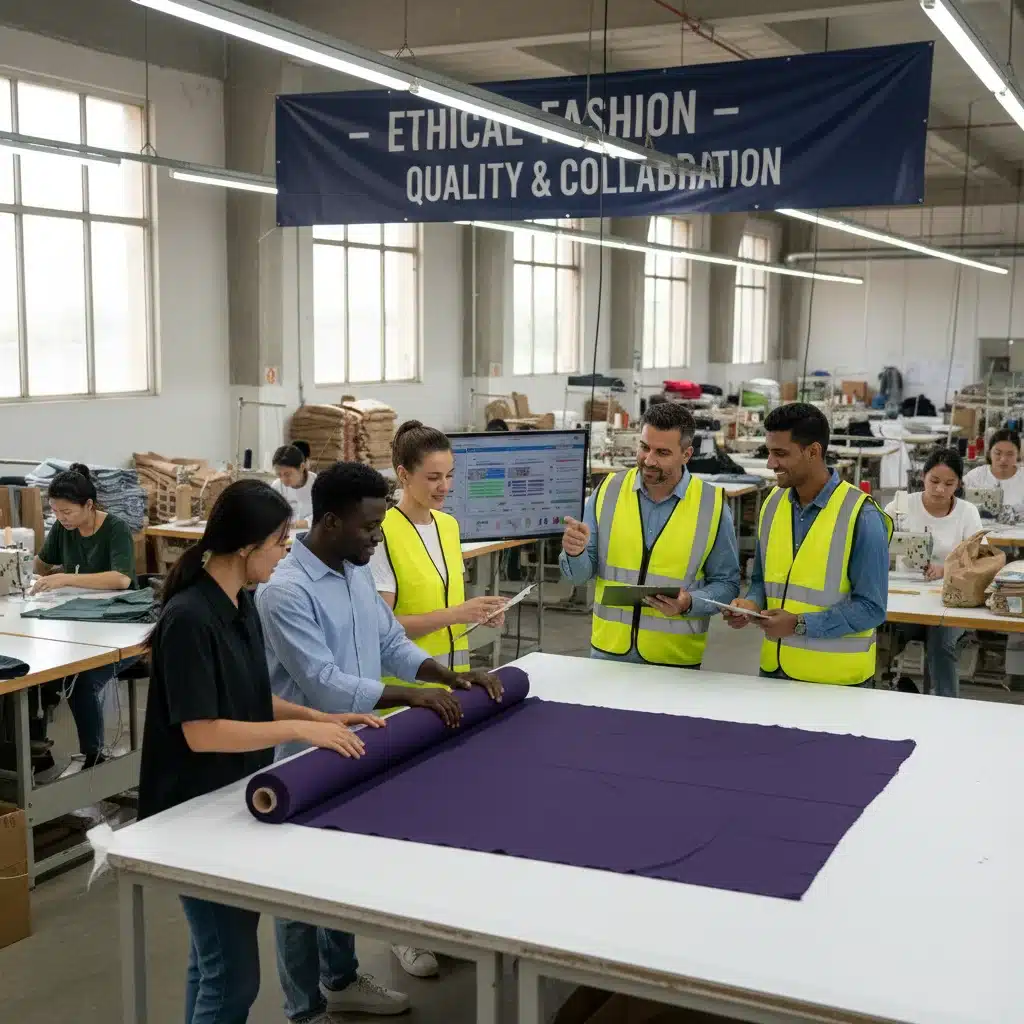
Once your brand identity is firmly established, the next exciting phase is bringing your vision to life through design and ensuring responsible production. This step is where creativity meets practicality, and where your commitment to quality and ethics truly shines as you launch fashion brand.
Collection Development and Design Process
Translate your brand aesthetic and target audience insights into tangible designs. Start with a mood board to define the overarching theme, colors, textures, and silhouettes for your first collection. Develop sketches, then technical flats, and finally, detailed specifications for each garment. Consider seasonality, current trends (without being entirely trend-driven, maintain your brand’s core), and the functionality of your pieces. Focus on a cohesive, manageable initial collection rather than trying to offer too much. Remember, quality over quantity is key for a new brand.
Material Sourcing: Quality and Sustainability
The choice of fabrics and materials significantly impacts the look, feel, durability, and cost of your garments. Given the increasing consumer demand for transparency and sustainability, prioritize ethical sourcing. Research suppliers who offer high-quality materials and can provide certifications for their sustainability practices (e.g., organic cotton, recycled polyester, fair trade wool). Consider the environmental footprint of your materials and explore innovative alternatives. Building relationships with reliable suppliers is crucial for consistent quality.
Manufacturing and Production Partners
Finding the right manufacturing partner is one of the most critical decisions when you launch fashion brand. You’ll need to decide between domestic (US-based) and international production. Domestic manufacturing can offer quicker turnaround times, easier communication, and often better quality control, but typically comes at a higher cost. International options might offer lower production costs but require more rigorous oversight, especially concerning ethical labor practices and quality assurance.
- Research and Vetting: Thoroughly research potential manufacturers. Look at their past work, client testimonials, and production capabilities.
- Ethical Considerations: If working with international factories, ensure they adhere to fair labor standards. Third-party audits can provide reassurance.
- Minimum Order Quantities (MOQs): As a new brand, MOQs can be a challenge. Seek manufacturers willing to work with smaller quantities initially, even if it means slightly higher per-unit costs.
- Sampling and Prototyping: Insist on multiple rounds of sampling to perfect the fit, construction, and overall quality of your garments before committing to bulk production.
Quality Control
Implement strict quality control measures at every stage of production. This includes inspecting incoming materials, monitoring production processes, and conducting final inspections of finished goods. Poor quality can quickly damage a new brand’s reputation.
Step 3: Build Your Online Presence and Marketing Strategy
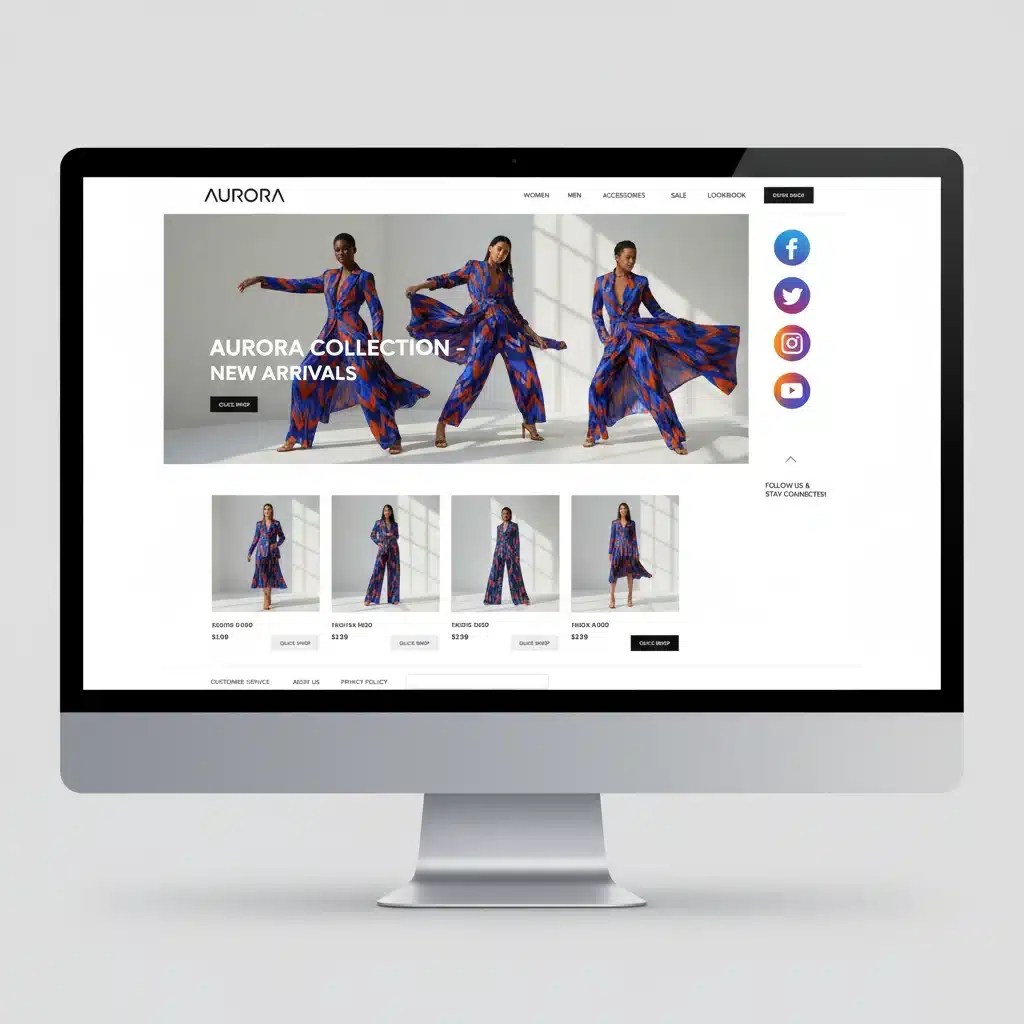
In the digital age, a strong online presence and a robust marketing strategy are non-negotiable for any brand, especially when you aim to successfully launch fashion brand. Your digital footprint is often the first, and sometimes only, impression potential customers will have.
E-commerce Website Development
Your website is your storefront. It needs to be visually appealing, user-friendly, mobile-responsive, and optimized for e-commerce. Platforms like Shopify, WooCommerce, or Squarespace offer excellent solutions for building a professional online store. Ensure high-quality product photography, detailed descriptions, sizing charts, and clear return policies. A seamless checkout process is paramount to converting visitors into customers.
Content Marketing and Storytelling
Beyond simply selling products, use content marketing to tell your brand story, showcase your values, and engage your audience. This can include a blog featuring behind-the-scenes content, interviews with designers, styling tips, or articles on sustainable fashion. High-quality imagery and video content are particularly effective in the fashion industry.
Social Media Strategy
Identify the social media platforms where your target audience spends most of their time (e.g., Instagram, TikTok, Pinterest, Facebook). Develop a consistent content strategy tailored to each platform. Engage with your followers, use relevant hashtags, collaborate with influencers, and run targeted ad campaigns. Social media is a powerful tool for brand building, community engagement, and direct sales. When you launch fashion brand, social media can be your most cost-effective marketing channel.
Email Marketing
Build an email list from day one. Offer incentives for signing up (e.g., a discount on the first purchase). Use email marketing to announce new collections, promotions, sales, and share exclusive content. It’s a direct and highly effective way to communicate with your most engaged customers.
Public Relations and Collaborations
Seek opportunities for PR coverage in fashion magazines, blogs, and online publications. Reach out to fashion editors and stylists. Consider collaborations with complementary brands, artists, or influencers who align with your brand’s values. These partnerships can expand your reach and lend credibility to your new brand.
Search Engine Optimization (SEO)
Optimize your website and content for search engines to ensure potential customers can find you. Use relevant keywords, create high-quality content, and build backlinks. SEO is a long-term strategy that drives organic traffic and is crucial for visibility when you launch fashion brand in a crowded market.
Step 4: Legalities, Business Structure, and Funding
While the creative aspects are often the most exciting, neglecting the legal and financial foundations can derail even the most promising fashion brand. This step is about setting up your business for long-term stability and compliance in the US.
Choosing Your Business Structure
Decide on the legal structure for your fashion brand. Common options include: Sole Proprietorship, Partnership, Limited Liability Company (LLC), or Corporation. Each has different implications for liability, taxation, and administrative burden. An LLC is often a popular choice for startups due to its liability protection and flexibility. Consult with a legal professional to choose the best structure for your specific needs.
Business Registration and Licensing
Register your business name with the appropriate state and local authorities. Obtain all necessary business licenses and permits, which can vary by location and type of business. This might include a general business license, sales tax permit, and potentially permits related to manufacturing or textiles.
Intellectual Property Protection
Protecting your designs, brand name, and logo is paramount. File for trademark registration for your brand name and logo to prevent others from using them. Consider copyright protection for original fabric prints or unique design elements. While fashion designs themselves are generally harder to protect under copyright, elements like original textile patterns can be. Consult with an intellectual property lawyer to understand your options and ensure your creations are legally safeguarded as you launch fashion brand.
Understanding Sales Tax and E-commerce Regulations
As an e-commerce business selling across state lines in the US, you will need to understand and comply with sales tax regulations. Economic nexus laws mean you might need to collect and remit sales tax in multiple states, not just your own. This can be complex, so consider using e-commerce platforms with built-in tax compliance tools or consulting with a tax professional.
Securing Funding
Launching a fashion brand requires capital. Develop a detailed business plan that includes financial projections, startup costs, and operating expenses. Explore various funding options:
- Self-funding (Bootstrapping): Using personal savings.
- Friends and Family: Seeking investments from your personal network.
- Small Business Loans: From banks or credit unions, often backed by the Small Business Administration (SBA).
- Angel Investors/Venture Capital: For brands with high growth potential, though typically harder for very early-stage fashion brands.
- Crowdfunding: Platforms like Kickstarter or Indiegogo can help raise capital and build a community around your brand simultaneously.
Having a clear financial roadmap is essential to sustainably launch fashion brand and manage growth.
Step 5: Launch, Distribution, and Growth Strategy
With your brand defined, collection designed, and legalities handled, it’s time for the grand unveiling and planning for future expansion. This final step focuses on bringing your brand to market and ensuring its long-term viability and growth.
The Grand Launch
Plan a strategic launch that generates excitement and attention. This could involve a soft launch to a select group of influencers or early adopters, followed by a wider public launch. Leverage all your marketing channels – social media, email, PR – to create buzz. Host a virtual launch event or an exclusive online preview. Ensure your website is robust enough to handle traffic spikes and that your customer service is ready to field inquiries.
Distribution Channels
Decide how you will sell your products. For a new brand, direct-to-consumer (DTC) through your e-commerce website is often the most cost-effective and allows for direct customer relationships. As you grow, consider other channels:
- Wholesale: Selling to boutiques, department stores, or online retailers. This can significantly increase your reach but requires different pricing strategies and sales efforts.
- Pop-up Shops/Marketplaces: Temporary physical retail experiences can build brand awareness and allow customers to interact with your products.
- Third-Party E-commerce Platforms: Selling on platforms like Etsy (for handmade/unique items), Amazon, or specialty fashion marketplaces.
Diversifying your distribution can be a powerful growth strategy once you’ve established your core DTC channel after you launch fashion brand.
Inventory Management and Fulfillment
Efficient inventory management is crucial to avoid overstocking (which ties up capital) or understocking (which leads to missed sales). Implement inventory tracking systems. For fulfillment, you can handle it in-house initially, or partner with a third-party logistics (3PL) provider as your order volume grows. A 3PL can handle warehousing, picking, packing, and shipping, freeing you up to focus on other aspects of your business.
Customer Service Excellence
Exceptional customer service is a cornerstone of brand loyalty. Be responsive to inquiries, handle returns and exchanges efficiently, and actively seek feedback. Positive customer experiences lead to repeat business and valuable word-of-mouth referrals, which are invaluable for any brand, especially when you launch fashion brand and are building your reputation.
Scaling and Future Growth
Once your initial launch is successful, look for opportunities to scale. This could involve expanding your product lines, entering new markets, or exploring international sales. Continuously analyze sales data, customer feedback, and market trends to inform your future strategies. Stay agile and be prepared to adapt to the ever-changing demands of the fashion industry.
Conclusion: Your Fashion Brand Journey to 2026 and Beyond
Launching a fashion brand in the US by 2026 is an ambitious yet incredibly rewarding endeavor. It demands creativity, business acumen, resilience, and a deep passion for what you do. By diligently following these 5 essential steps – defining your brand identity, executing ethical design and production, building a robust online presence, handling legal and financial necessities, and strategically launching for growth – you lay a solid foundation for success.
The journey from concept to career is rarely linear, but with careful planning and a commitment to your vision, you can navigate the complexities of the US fashion market. Remember to stay authentic to your brand’s core values, listen to your customers, and continuously innovate. The fashion landscape of 2026 will undoubtedly present new challenges and opportunities, but with the right preparation, your brand can not only survive but thrive, leaving a lasting and impactful legacy. Good luck as you embark on this exciting adventure to launch fashion brand of your dreams!