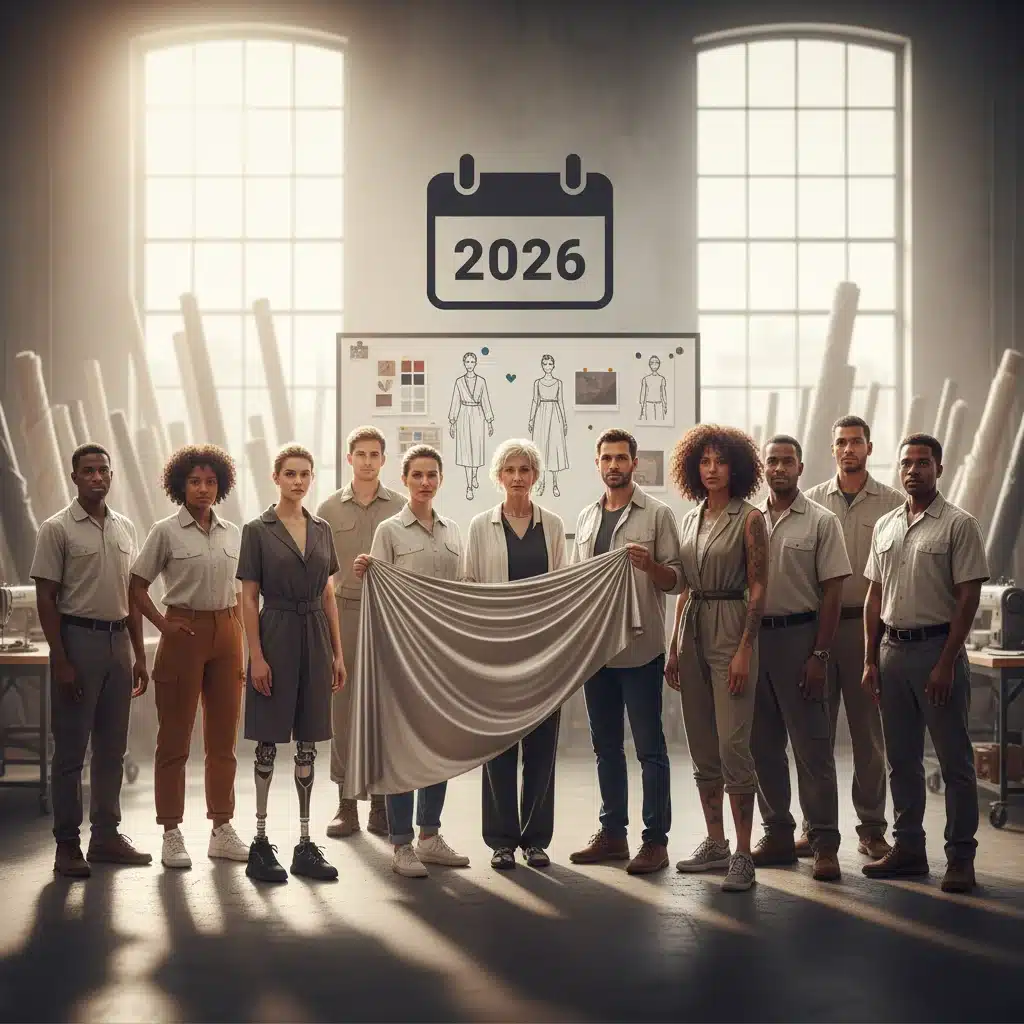
Understanding US Labor Laws: What Every Fashion Employee Needs to Know for 2026 to Protect Their Rights
The dynamic and often demanding world of fashion, while glamorous, is still a workplace governed by a complex web of labor laws. For fashion employees across the United States, understanding these regulations is not just beneficial; it’s essential for protecting their rights, ensuring fair treatment, and fostering a healthy work environment. As we look towards 2026, it’s crucial to be aware of the existing frameworks and any potential shifts that could impact your employment.
Anúncios
This comprehensive guide aims to demystify US labor laws for individuals working within the fashion industry, from designers and stylists to production staff and retail associates. We will delve into key areas such as wages, working conditions, anti-discrimination policies, and the avenues available for redress. By arming yourself with this knowledge, you can confidently navigate your career in fashion, knowing your rights are protected.
The Foundation: Key Federal Labor Laws Affecting Fashion Employees
At the heart of US labor protection are several foundational federal laws. While state and local regulations can add additional layers of protection, these federal statutes set the minimum standards that all employers, including those in the fashion industry, must adhere to. Understanding these is the first step in comprehending your fashion labor rights.
Anúncios
Fair Labor Standards Act (FLSA)
The FLSA is arguably one of the most critical pieces of legislation for employees. It establishes minimum wage, overtime pay, recordkeeping, and youth employment standards affecting employees in the private sector and in Federal, State, and local governments. For fashion employees, this means:
- Minimum Wage: Ensuring you are paid at least the federal minimum wage, or your state’s minimum wage if it’s higher.
- Overtime Pay: Non-exempt employees must receive overtime pay at a rate of not less than one and one-half times their regular rate of pay for hours worked over 40 in a workweek. This is a common area of dispute in the fast-paced fashion industry, where long hours are often expected. Knowing your exemption status (whether you are classified as exempt or non-exempt from overtime) is vital.
- Recordkeeping: Employers are required to keep accurate records of hours worked and wages paid.
- Child Labor: Strict rules apply to the employment of minors, particularly relevant for younger models or interns.
It’s crucial for fashion employees to track their hours diligently, especially if they are non-exempt, to ensure they are being compensated correctly under the FLSA. Misclassification as an independent contractor or an exempt employee is a common issue in many industries, including fashion, and can lead to significant wage theft.
Title VII of the Civil Rights Act of 1964
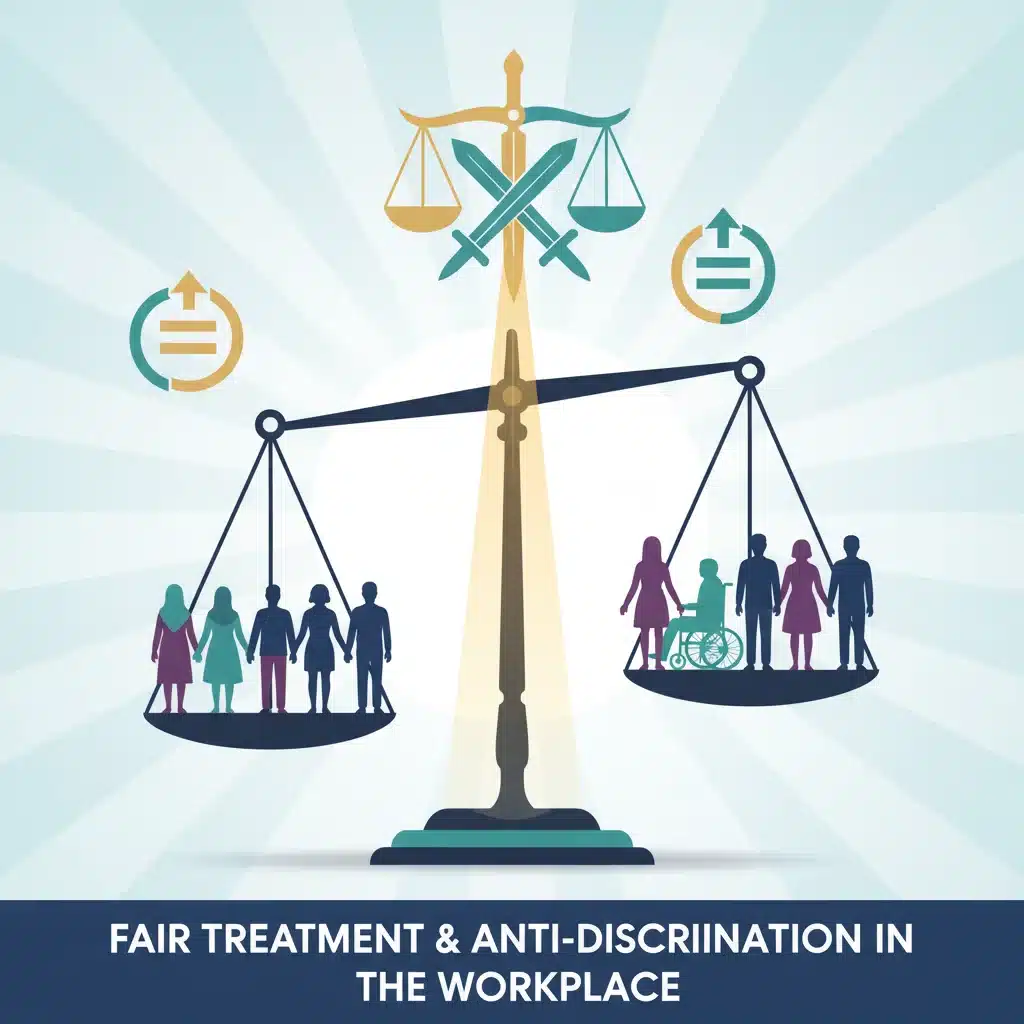
Title VII prohibits employment discrimination based on race, color, religion, sex (including sexual orientation and gender identity), and national origin. This is paramount for fostering an inclusive and equitable environment within the fashion industry. Discrimination can manifest in various forms, including hiring, firing, promotions, training, wages, and benefits. Fashion employees have the right to:
- Be free from harassment based on protected characteristics.
- Equal opportunities in all aspects of employment.
- Work in an environment free from hostile behavior.
Given the industry’s emphasis on appearance and often subjective criteria, understanding your protections under Title VII is particularly important. Sexual harassment, unfortunately, has been a documented issue in various parts of the fashion world, making awareness of reporting mechanisms and legal protections essential.
Americans with Disabilities Act (ADA)
The ADA prohibits discrimination against individuals with disabilities in all areas of public life, including employment. Employers must provide reasonable accommodations to qualified individuals with disabilities unless doing so would cause undue hardship. This ensures that fashion employees with disabilities have equal opportunities to participate and succeed in the workplace.
Age Discrimination in Employment Act (ADEA)
The ADEA protects individuals who are 40 years of age or older from employment discrimination based on age. This means that older fashion professionals cannot be discriminated against in hiring, promotion, termination, or other employment decisions solely due to their age.
Family and Medical Leave Act (FMLA)
The FMLA provides eligible employees with up to 12 workweeks of unpaid, job-protected leave per year for specified family and medical reasons. This can include the birth of a child, care for an immediate family member with a serious health condition, or a serious health condition that makes the employee unable to perform their job. For fashion employees, this offers crucial protection during significant life events without fear of job loss.
Wages and Compensation: Ensuring Fair Pay in Fashion
Fair compensation is a cornerstone of fashion labor rights. Beyond the federal minimum wage, several factors influence how fashion employees are paid and what they are entitled to. This section dives deeper into wage and hour specifics.
Minimum Wage and Overtime Exemptions
As mentioned, the FLSA sets federal minimum wage and overtime rules. However, many states and even some cities have their own minimum wage laws that are higher than the federal standard. Employers must pay the higher of the two. Furthermore, the concept of ‘exempt’ versus ‘non-exempt’ is critical.
Exempt Employees: Typically salaried employees who perform executive, administrative, or professional duties, or certain computer or outside sales jobs, and meet specific salary thresholds. They are generally not entitled to overtime pay.
Non-Exempt Employees: Most hourly employees fall into this category and must be paid overtime for hours exceeding 40 in a workweek.
It’s not uncommon for fashion companies to misclassify employees, particularly those in creative roles, as exempt to avoid paying overtime. If you suspect you are misclassified, or if your duties don’t truly align with the exemption criteria, you should investigate your rights. This could lead to significant back pay for unpaid overtime.

Independent Contractors vs. Employees
Another common issue in the fashion industry is the misclassification of individuals as independent contractors when they are, in fact, employees. The distinction is crucial because independent contractors are not entitled to the same labor protections as employees, including minimum wage, overtime, unemployment benefits, and workers’ compensation.
The IRS and various state labor departments use different tests to determine proper classification, often looking at factors like the degree of control the company has over the worker, the worker’s opportunity for profit or loss, and the permanency of the relationship. If you are working in fashion and are classified as an independent contractor but feel your working arrangement more closely resembles that of an employee, you might be missing out on vital protections and benefits.
Commissions, Bonuses, and Tips
Many fashion retail roles, and sometimes even wholesale or design positions, involve commissions or bonuses. Understanding how these are calculated and when they are paid is important. Tips for certain roles (e.g., stylists in a salon setting) are also subject to specific regulations, including how they can be pooled and distributed.
Workplace Safety and Health: A Non-Negotiable Right
The Occupational Safety and Health Act (OSHA) ensures that employers provide employees with a workplace free from recognized hazards likely to cause death or serious physical harm. While the fashion industry might not seem as overtly dangerous as manufacturing or construction, it still presents unique safety challenges.
- Ergonomics: For designers, pattern makers, and administrative staff, proper ergonomic setups are essential to prevent repetitive strain injuries.
- Studio and Workshop Safety: For those working with machinery (sewing machines, cutting equipment), chemicals (dyes, solvents), or in production environments, adherence to safety protocols, proper ventilation, and personal protective equipment (PPE) is critical.
- Retail Environment Safety: Ensuring clear aisles, safe shelving, and emergency exits are maintained in retail spaces.
- Mental Health: While not directly covered by OSHA in the same way as physical hazards, employers have a general duty to provide a safe workplace, which increasingly includes addressing issues like excessive workload, harassment, and stress that can negatively impact mental well-being.
Fashion employees have the right to report unsafe working conditions without fear of retaliation. If you identify a hazard, it’s important to report it to your employer, and if no action is taken, you can contact OSHA.
Anti-Discrimination and Harassment: Fostering an Inclusive Industry
Beyond Title VII, other federal laws and numerous state and local laws bolster protections against discrimination and harassment. The fashion industry, known for its creative and diverse workforce, must uphold these standards rigorously.
Sexual Harassment
Sexual harassment, a form of sex discrimination, is illegal. It includes unwelcome sexual advances, requests for sexual favors, and other verbal or physical harassment of a sexual nature. This can create a hostile work environment or be a quid pro quo situation where employment decisions are based on submission to or rejection of such conduct. Fashion employees who experience or witness sexual harassment have the right to report it and be protected from retaliation.
Other Forms of Discrimination
Discrimination can also occur based on:
- Pregnancy: The Pregnancy Discrimination Act (PDA) prohibits discrimination based on pregnancy, childbirth, or related medical conditions.
- Genetic Information: The Genetic Information Nondiscrimination Act (GINA) prohibits discrimination based on genetic information.
- National Origin and Immigration Status: Protection against discrimination based on where you or your ancestors came from, or your accent. While employers can verify work authorization, they cannot discriminate based on immigration status beyond that.
It’s important to remember that these protections extend to all aspects of employment, from hiring and firing to promotions, compensation, and training. If you believe you have been discriminated against, documenting incidents and seeking advice from HR or legal counsel is crucial.
Leave Policies: Balancing Work and Life
Beyond FMLA, many states have their own family and medical leave laws, some of which offer more generous benefits or apply to smaller employers not covered by FMLA. Additionally, some states mandate paid sick leave, which can be used for personal illness, caring for a family member, or even for issues related to domestic violence or sexual assault.
Fashion employees should familiarize themselves with their company’s specific leave policies and any applicable state or local laws to understand their entitlements for:
- Sick leave
- Vacation time
- Parental leave (maternity/paternity)
- Bereavement leave
- Jury duty leave
Understanding these policies can significantly impact work-life balance and provide essential support during challenging times.
Termination and Severance: Understanding Your Exit Rights
While no one wants to think about job termination, understanding your rights in such a scenario is an important aspect of fashion labor rights. Most employment in the US is ‘at-will,’ meaning an employer can terminate an employee for any reason, or no reason, as long as it’s not an illegal reason (e.g., discrimination or retaliation).
Wrongful Termination
Even in ‘at-will’ states, termination is considered wrongful if it’s based on discriminatory grounds, retaliation for exercising a protected right (like reporting harassment or an OSHA violation), or a breach of an employment contract (if one exists). If you believe your termination was wrongful, you may have legal recourse.
Severance Packages
Employers are generally not legally required to offer severance pay unless there’s an employment contract or company policy stating otherwise. However, severance packages are common, especially in larger fashion corporations, and are often offered in exchange for a release of claims against the company. It’s advisable to have any severance agreement reviewed by an attorney before signing, as it can impact your future legal options.
Unemployment Benefits
If you lose your job through no fault of your own, you are likely eligible for unemployment benefits. These are state-administered programs, so eligibility requirements and benefit amounts vary by state. It’s important to apply promptly after losing your job.
Retaliation: Protection for Speaking Up
A critical aspect of all labor laws is the protection against retaliation. Employers are prohibited from taking adverse action against an employee for exercising their legally protected rights. This includes:
- Filing a complaint about discrimination or harassment.
- Reporting wage and hour violations.
- Complaining about unsafe working conditions.
- Participating in an investigation.
- Requesting reasonable accommodation for a disability or religious belief.
- Taking FMLA leave.
If you experience any negative employment action (e.g., demotion, pay cut, termination) after engaging in a protected activity, it could be illegal retaliation. Documenting the timeline and specifics of events is crucial if you believe you are being retaliated against.
Unionization and Collective Bargaining
While historically less common in the creative and corporate sectors of fashion compared to manufacturing, the right to unionize and engage in collective bargaining is a fundamental fashion labor right protected by the National Labor Relations Act (NLRA). Employees have the right to:
- Form, join, or assist a labor organization.
- Bargain collectively through representatives of their own choosing.
- Engage in other concerted activities for their mutual aid or protection.
- Refrain from any of these activities.
Unions can provide a powerful voice for employees, negotiating for better wages, benefits, and working conditions that might not be achievable individually. Recent years have seen increased interest in unionization across various industries, and the fashion sector is not immune to these shifts, particularly in areas like retail and warehousing.
State and Local Laws: A Layer of Additional Protection
It’s vital to remember that federal laws set a baseline. Many states and localities have enacted their own labor laws that offer greater protections than federal law. These can include:
- Higher Minimum Wages: Many states and cities have minimum wages significantly above the federal rate.
- Expanded Anti-Discrimination Categories: Some states prohibit discrimination based on additional categories such as marital status, political affiliation, or even hairstyle.
- Paid Family and Medical Leave: Several states offer paid leave programs that go beyond the unpaid leave provided by FMLA.
- ‘Ban the Box’ Laws: Restrictions on when employers can ask about an applicant’s criminal history.
- Predictive Scheduling Laws: In some cities, employers in retail and food service must provide employees with advance notice of their work schedules and sometimes pay ‘predictability pay’ for last-minute changes. This can be highly relevant for fashion retail workers.
- Non-Compete Agreement Restrictions: Many states are now limiting or banning the use of non-compete clauses, which can restrict where employees can work after leaving a company.
Always research the specific labor laws in your state and city, as they can significantly impact your fashion labor rights.
What to Do if Your Rights Are Violated
Knowing your rights is the first step; knowing how to act if they are violated is equally important:
- Document Everything: Keep detailed records of dates, times, specific incidents, names of individuals involved, and any witnesses. Save relevant emails, texts, or other communications.
- Review Company Policy: Check your employee handbook or company policies for internal grievance procedures.
- Speak to HR/Management: Often, the first step is to address the issue internally. Follow company procedures for reporting issues.
- Contact Government Agencies:
- Equal Employment Opportunity Commission (EEOC): For discrimination or harassment claims (Title VII, ADA, ADEA, GINA, PDA).
- Department of Labor (DOL): For wage and hour violations (FLSA), FMLA issues, and other federal labor law concerns.
- OSHA: For workplace safety and health concerns.
- State Labor Department: For violations of state-specific labor laws.
- Consult an Attorney: For complex cases, or if you are unsure of your next steps, an employment law attorney can provide invaluable advice and representation.
Preparing for 2026 and Beyond
While this guide covers the current landscape of US labor laws, the legal environment is always evolving. New legislation, court rulings, and regulatory changes can impact fashion labor rights. Staying informed is key. Subscribing to labor law updates, following reputable legal news sources, and consulting with legal professionals when needed can help you remain aware of any new developments.
Furthermore, as the fashion industry itself undergoes transformations – from the rise of sustainable practices to the increasing integration of technology – new labor challenges and considerations may emerge. Employees should be proactive in understanding how these shifts might affect their roles and rights.
Conclusion: Empowering Fashion Employees
The fashion industry thrives on creativity, passion, and hard work. However, this should never come at the expense of an employee’s fundamental rights. By thoroughly understanding US labor laws, from federal statutes like the FLSA and Title VII to specific state and local protections, fashion employees can empower themselves to advocate for fair wages, safe working conditions, and an environment free from discrimination and harassment.
Your fashion labor rights are your shield and your voice. Equip yourself with this knowledge, and contribute to building a more just, equitable, and sustainable future for everyone in the world of fashion.