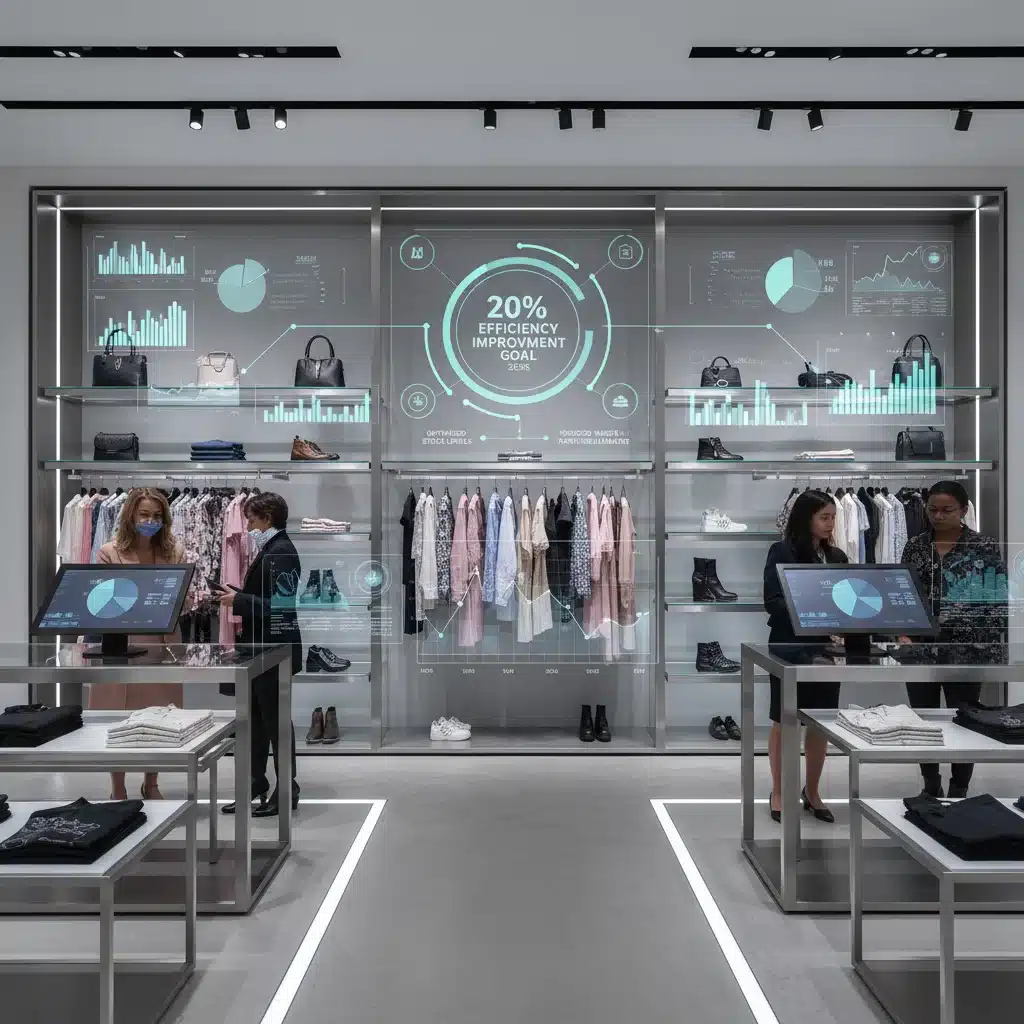
Leveraging Data Analytics: Improving Fashion Inventory Management by 20% in 2026
The fashion industry, with its fast-paced trends, seasonal demands, and often unpredictable consumer behavior, faces a perennial challenge: effective inventory management. Mismanaged inventory can lead to significant financial losses through markdowns, obsolescence, and missed sales opportunities. However, the advent of advanced data analytics offers a powerful solution. By harnessing the insights derived from vast datasets, fashion brands can optimize their inventory strategies, reduce waste, and significantly boost profitability. Our ambitious goal? To demonstrate how leveraging data analytics can lead to a 20% improvement in fashion inventory management by 2026.
Anúncios
The Core Challenge: Why Fashion Inventory Management is So Complex
Before diving into the solutions, it’s crucial to understand the inherent complexities of fashion inventory management. Unlike many other retail sectors, fashion deals with:
- Short Product Lifecycles: Trends can emerge and fade within weeks, making accurate forecasting incredibly difficult.
- Seasonal Demand Fluctuations: Summer collections, winter wear, holiday specials – each brings its own unique demand curve.
- Vast Product Variety: Multiple sizes, colors, styles, and fabrications for each garment multiply the SKU count exponentially.
- Perishability (in a sense): While not food, fashion items can become ‘perishable’ in terms of desirability once a trend passes or a season ends.
- Global Supply Chains: Sourcing, manufacturing, and distribution often span continents, adding layers of lead time and uncertainty.
- Consumer Sentiment: Fashion is driven by emotion and perception, which are harder to quantify than pure utility.
These factors often result in either overstocking, leading to costly storage, markdowns, and capital tied up in unsold goods, or understocking, resulting in lost sales, customer dissatisfaction, and damage to brand reputation. The sweet spot of having just the right amount of inventory at the right time and place is elusive without sophisticated tools. This is where fashion inventory analytics becomes indispensable.
Understanding Data Analytics in the Fashion Context
Data analytics, at its heart, is the process of examining raw data to find trends and answer questions. In the fashion industry, this translates into collecting, processing, and interpreting data from various sources to make informed decisions about inventory. These sources include:
Anúncios
- Point-of-Sale (POS) Data: Historical sales figures, product performance by region, store, and channel.
- E-commerce Analytics: Website traffic, conversion rates, abandoned carts, customer browsing patterns, search queries.
- Customer Relationship Management (CRM) Data: Customer demographics, purchase history, loyalty program engagement, feedback.
- Social Media Data: Trend spotting, influencer impact, brand sentiment, emerging styles.
- Supply Chain Data: Supplier lead times, production capacities, shipping schedules, logistics performance.
- External Data: Economic indicators, weather forecasts, competitor analysis, fashion trend reports from agencies.
By integrating and analyzing these diverse datasets, fashion businesses can move beyond reactive decision-making to proactive, predictive strategies. This holistic view is the foundation for achieving significant improvements in fashion inventory management.
Key Areas Where Data Analytics Drives Inventory Improvement
1. Enhanced Demand Forecasting
Traditional demand forecasting often relies on historical sales data and expert intuition. While valuable, this approach can fall short in the dynamic fashion landscape. Data analytics transforms demand forecasting by incorporating a multitude of variables:
- Predictive Modeling: Using machine learning algorithms to identify complex patterns in historical sales, promotional activities, economic factors, and even social media buzz to predict future demand with higher accuracy.
- Trend Analysis: Analyzing social media, fashion blogs, and search engine trends to anticipate emerging styles and consumer preferences before they peak.
- Seasonality & Event Impact: Accurately predicting surges or dips in demand related to holidays, seasonal changes, or major events.
- Granular Forecasting: Moving beyond aggregate forecasts to predict demand at a SKU-level, by specific store, region, or even online channel.
Improved demand forecasting directly translates to better inventory planning, reducing both overstock and stockouts. This is a cornerstone of effective fashion inventory analytics.
2. Optimized Assortment Planning
Deciding which products to stock, in what quantities, and where, is critical. Data analytics provides the insights needed for strategic assortment planning:
- Sales Performance Analysis: Identifying top-performing products, slow-movers, and dead stock across different demographics and locations.
- Customer Segmentation: Understanding the preferences of different customer segments to tailor product offerings. For instance, younger demographics might favor fast fashion, while older customers might prioritize quality and classic styles.
- Geographic & Store-Specific Optimization: Recognizing that demand for certain items can vary significantly by location (e.g., warmer clothing in colder climates), and optimizing inventory distribution accordingly.
- Pricing Strategy Insights: Analyzing price elasticity and competitor pricing to set optimal prices that maximize sales and minimize leftover inventory.
By optimizing assortment, brands can ensure they are offering what their customers truly want, leading to higher sell-through rates and less need for deep discounting.
3. Streamlined Supply Chain & Logistics
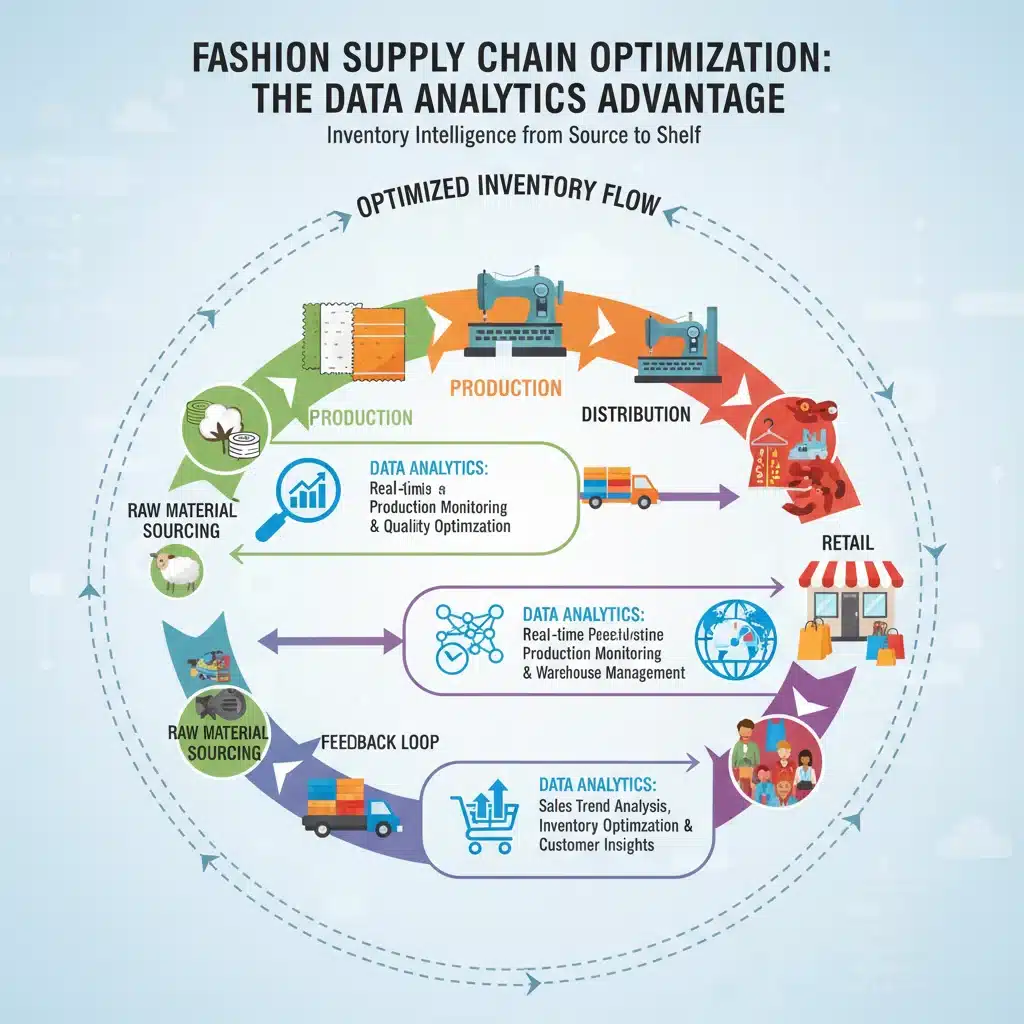
The efficiency of the supply chain directly impacts inventory levels and costs. Data analytics can provide unprecedented visibility and control:
- Supplier Performance Monitoring: Tracking lead times, delivery reliability, and quality from different suppliers to identify bottlenecks and risks.
- Route Optimization: Using data to determine the most efficient shipping routes and methods, reducing transit times and costs.
- Warehouse Optimization: Analyzing inventory movement within warehouses to optimize storage layout, picking processes, and reduce handling costs.
- Risk Management: Identifying potential disruptions (e.g., political instability, natural disasters) in the supply chain and developing contingency plans.
A more agile and responsive supply chain means inventory can be moved more efficiently, reducing the need for large safety stocks and improving cash flow. This is a vital component of robust fashion inventory analytics.
4. Reduced Returns & Waste
Returns are a significant challenge in fashion, impacting profitability and inventory accuracy. Data analytics can help mitigate this:
- Return Pattern Analysis: Identifying common reasons for returns (e.g., sizing issues, quality concerns, inaccurate product descriptions) and specific products or categories with high return rates.
- Fit & Sizing Recommendations: Using customer data and advanced algorithms to provide more accurate sizing recommendations, especially for online shoppers, thereby reducing fit-related returns.
- Quality Control Insights: Pinpointing manufacturing defects or quality issues early in the supply chain based on return data, allowing for corrective action.
By understanding and addressing the root causes of returns, fashion brands can reduce the volume of returned goods that need to be reprocessed or written off, contributing significantly to a 20% improvement in fashion inventory management.
5. Personalized Customer Experiences
While not directly inventory management, a personalized customer experience driven by data analytics leads to higher conversion rates and reduced returns, indirectly impacting inventory efficiency:
- Targeted Marketing: Delivering highly relevant product recommendations and promotions based on individual customer preferences and purchase history.
- Optimized Merchandising: Presenting products in a way that resonates with specific customer segments, both online and in-store.
- Improved Customer Loyalty: Satisfied customers are more likely to make repeat purchases, creating more predictable demand patterns.
This personalization, powered by data, ensures that the right inventory reaches the right customer, reducing the chance of unwanted items sitting on shelves.
Implementing Data Analytics for Fashion Inventory Management: A Roadmap to 2026
Step 1: Data Infrastructure & Collection
The first step is to ensure that your business has a robust data infrastructure capable of collecting, storing, and integrating data from all relevant sources. This often involves:
- Unified Data Platforms: Implementing systems that can pull data from POS, CRM, e-commerce, supply chain, and external sources into a single, accessible repository.
- Data Governance: Establishing clear policies and procedures for data quality, security, and privacy.
- IoT and RFID: Exploring technologies like RFID tags for real-time inventory tracking and IoT sensors for supply chain visibility.
Without clean, comprehensive, and accessible data, even the most advanced analytics tools are ineffective. This foundational step is crucial for successful fashion inventory analytics.
Step 2: Choosing the Right Analytics Tools
A wide array of analytics tools is available, from business intelligence (BI) dashboards to advanced machine learning platforms. The choice depends on the specific needs and capabilities of the organization:
- BI Tools: For visualization and reporting of key performance indicators (KPIs) related to inventory.
- Predictive Analytics Software: For forecasting demand, identifying trends, and predicting potential issues.
- AI/Machine Learning Platforms: For complex pattern recognition, anomaly detection, and automated decision support.
- Cloud-Based Solutions: Offering scalability, flexibility, and often pre-built analytics capabilities.
It’s important to select tools that can integrate with existing systems and provide actionable insights relevant to fashion inventory management.
Step 3: Building an Analytics Team & Culture
Technology alone is not enough. A skilled team and a data-driven culture are essential for success:
- Data Scientists & Analysts: Hiring or training individuals with expertise in data manipulation, statistical modeling, and machine learning.
- Cross-Functional Collaboration: Fostering collaboration between data teams, merchandising, sales, marketing, and supply chain departments to ensure insights are shared and acted upon.
- Data Literacy Training: Educating employees across the organization on the importance of data and how to interpret basic analytics reports.
A cultural shift towards data-driven decision-making will empower employees to leverage fashion inventory analytics effectively.
Step 4: Pilot Programs & Iterative Improvement
Implementing data analytics solutions should be an iterative process. Start with pilot programs in specific areas or product categories, measure the results, and refine the approach:
- Define Clear KPIs: Establish measurable goals, such as inventory turnover rate, stockout rate, markdown percentage, and forecast accuracy.
- A/B Testing: Experiment with different inventory strategies based on data insights and compare their effectiveness.
- Continuous Learning: Regularly review performance, gather feedback, and adapt strategies based on new data and evolving market conditions.
This agile approach ensures that the investment in fashion inventory analytics yields continuous improvements and helps achieve the 20% target by 2026.
Measuring Success: KPIs for 20% Improvement
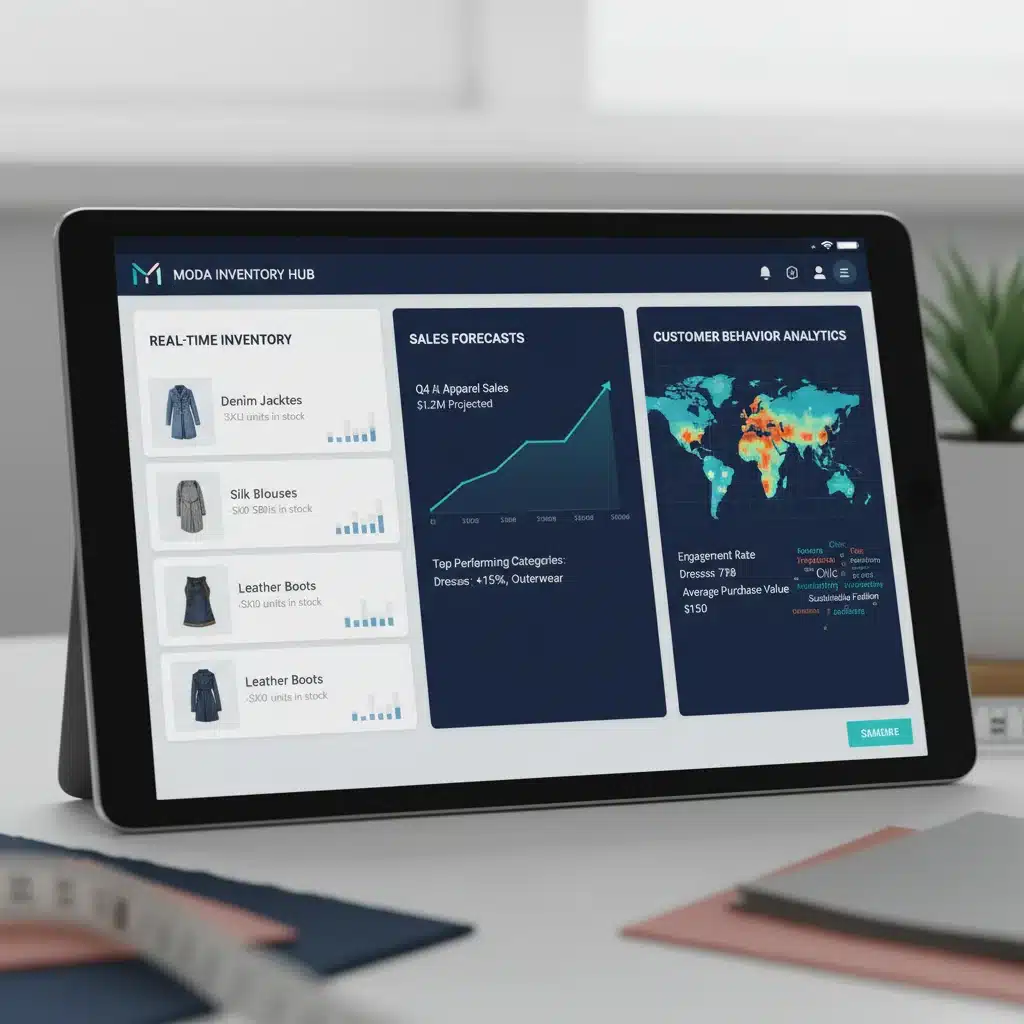
To track progress towards the ambitious 20% improvement goal, fashion brands must monitor key performance indicators (KPIs) rigorously:
- Inventory Turnover Rate: How many times inventory is sold and replaced over a period. A higher turnover generally indicates efficient inventory management.
- Stock-to-Sales Ratio: The amount of inventory on hand relative to sales. A lower ratio often suggests better alignment between supply and demand.
- Markdown Percentage: The percentage of goods sold at a discount. Reducing this indicates better initial pricing and inventory levels.
- Fill Rate / Service Level: The percentage of customer orders filled completely and on time. Improved fill rates mean fewer lost sales due to stockouts.
- Forecast Accuracy: The difference between predicted and actual sales. Higher accuracy leads to better inventory decisions.
- Holding Costs: The costs associated with storing inventory, including warehousing, insurance, and obsolescence. A reduction here directly impacts profitability.
- Return Rate: The percentage of sold items returned by customers. Lowering this through better fit guides and product descriptions positively impacts inventory.
By consistently monitoring these KPIs, businesses can quantify the impact of fashion inventory analytics and ensure they are on track to meet or exceed the 20% improvement target by 2026.
Challenges and Considerations
While the benefits of data analytics are clear, implementation comes with its own set of challenges:
- Data Silos: Data often resides in disparate systems, making integration complex.
- Data Quality: Inaccurate, incomplete, or inconsistent data can lead to flawed insights.
- Talent Gap: A shortage of skilled data scientists and analysts in the fashion sector.
- Resistance to Change: Employees accustomed to traditional methods may resist new, data-driven approaches.
- Cost of Implementation: Investing in new technologies and talent can be significant.
- Ethical Considerations: Ensuring data privacy and ethical use of customer data.
Addressing these challenges proactively is crucial for a successful transition to an analytics-driven fashion inventory management system. Strategic planning and strong leadership are key to overcoming these hurdles.
The Future of Fashion Inventory: Beyond 2026
The journey with data analytics doesn’t end in 2026; it’s an ongoing evolution. Beyond achieving the initial 20% improvement, fashion brands will continue to refine their strategies. The future holds even more sophisticated applications:
- Hyper-Personalization: Using AI to create unique product recommendations and even custom designs based on individual customer data.
- Autonomous Inventory Management: Systems that can automatically reorder, redistribute, and even recommend markdowns with minimal human intervention.
- Circular Economy Integration: Data analytics will play a pivotal role in managing returned, recycled, and upcycled inventory, supporting sustainable fashion practices.
- Predictive Maintenance for Machinery: In manufacturing, data from machinery can predict failures, ensuring continuous production and avoiding supply chain delays.
- Real-time Trend Spotting: AI models constantly scanning global data sources to identify micro-trends as they emerge, allowing for ultra-fast response times in design and production.
The continuous evolution of fashion inventory analytics will ensure that the industry remains agile, responsive, and profitable in an increasingly complex global market.
Conclusion
The fashion industry stands at a pivotal moment, with data analytics offering a clear path to overcoming its most persistent inventory challenges. By embracing sophisticated fashion inventory analytics, brands can achieve a substantial 20% improvement in inventory management by 2026, leading to reduced costs, minimized waste, enhanced customer satisfaction, and ultimately, greater profitability. This transformation requires not just technological investment but also a commitment to data-driven decision-making across the entire organization. The brands that successfully integrate these powerful tools will be the ones that thrive in the competitive and ever-changing world of fashion retail.
The journey to optimized inventory is continuous, but with a clear strategy and the right analytical tools, the 20% improvement target is not just achievable—it’s a stepping stone to a more efficient, sustainable, and profitable future for fashion.