The Remote Work Revolution: How US Fashion Teams Are Restructuring for 2026 and What It Means for Your Career
The landscape of work has undergone a seismic shift, and few industries have felt its tremors as profoundly as fashion. Once an industry synonymous with bustling ateliers, glamorous showrooms, and in-person collaborations, the US fashion sector is now at the forefront of a radical transformation. By 2026, the traditional structures are set to be largely reimagined, with fashion remote work becoming not just an option, but a foundational element of how teams operate. This isn’t merely about working from home; it’s about a fundamental restructuring that impacts everything from design and production to marketing and retail. For professionals in this dynamic field, understanding these changes is paramount to navigating their careers successfully in the coming years.
Anúncios
The COVID-19 pandemic acted as an unexpected catalyst, forcing an industry reliant on physical presence to rapidly adapt to digital solutions. What started as a temporary measure has evolved into a strategic advantage, with many companies realizing the potential for increased efficiency, expanded talent pools, and reduced overheads that fashion remote work offers. As we look towards 2026, this evolution is accelerating, driven by technological advancements, changing employee expectations, and a renewed focus on sustainability and global collaboration. This article will delve deep into the specifics of this remote work revolution, examining how US fashion teams are restructuring, the challenges they face, the innovative solutions they are adopting, and crucially, what all of this means for your career trajectory in the fashion world.
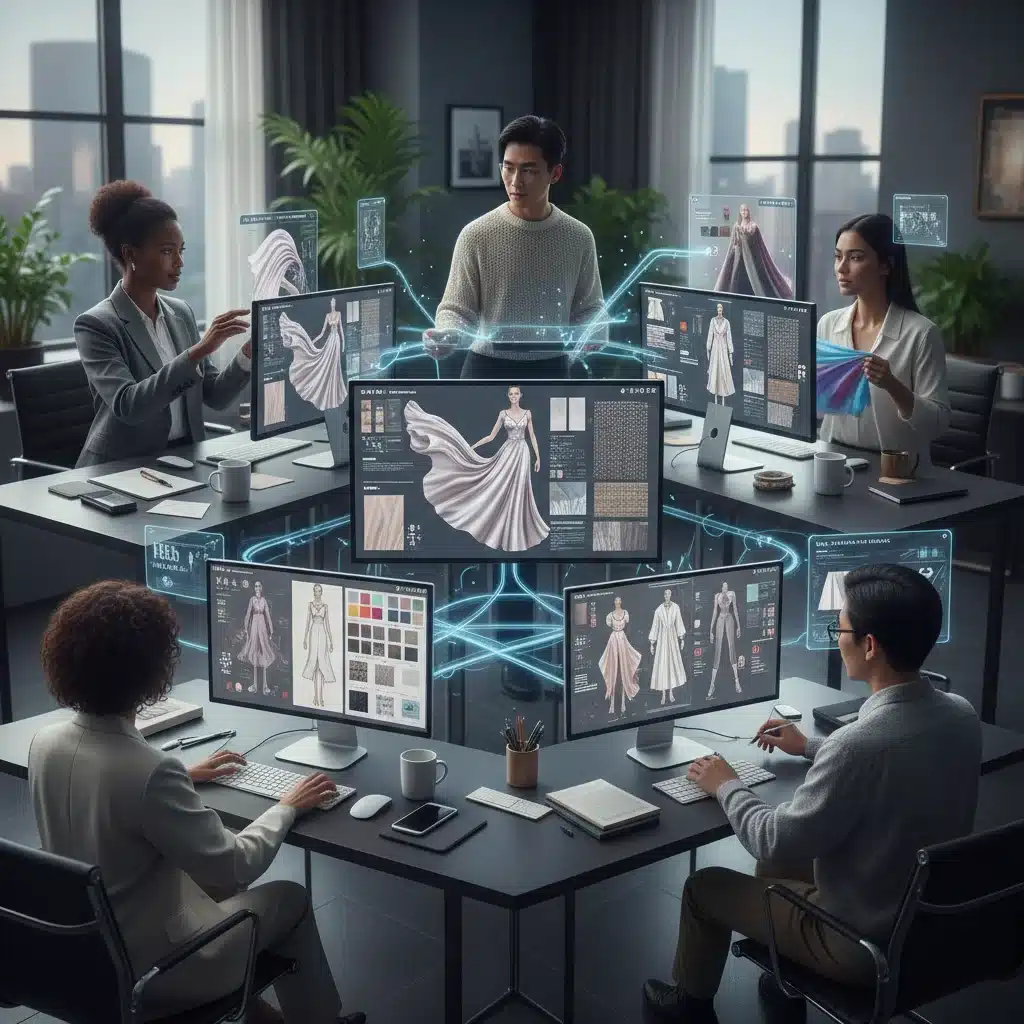
From the creative director sketching designs from a mountain retreat to the supply chain manager coordinating logistics across continents, the definition of a ‘fashion office’ is broadening. The shift to fashion remote work is not a simple copy-paste of office operations into a digital format; it necessitates a complete overhaul of workflows, communication strategies, and even company culture. Brands are investing heavily in digital tools, virtual collaboration platforms, and new management paradigms to support a distributed workforce. This includes everything from 3D design software that allows virtual prototyping to AI-powered platforms that optimize supply chains and predict trends. The goal is to maintain, if not enhance, the creativity, speed, and precision that the fashion industry demands, all while embracing the flexibility and global reach that remote models provide.
Understanding the nuances of this transformation is key for anyone in or aspiring to be in the US fashion industry. Whether you’re a seasoned professional or just starting your journey, the skills required are evolving. Adaptability, digital literacy, and strong communication in a virtual environment are becoming as crucial as a keen eye for design or a knack for marketing. The opportunities are immense, but so are the challenges. Let’s explore the intricate details of this fascinating evolution.
Anúncios
The Driving Forces Behind the Remote Work Shift in US Fashion
Several interconnected factors are propelling the US fashion industry towards a predominantly remote or hybrid model by 2026. Understanding these drivers is crucial for grasping the permanence and depth of this shift towards fashion remote work.
Technological Advancements and Digital Transformation
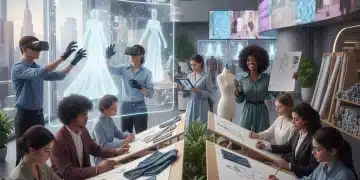
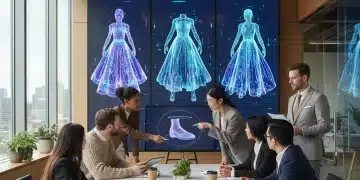
The rapid evolution of technology is arguably the most significant enabler of fashion remote work. Tools that were once niche or experimental are now mainstream. 3D design software (like Clo3D, Optitex, and Browzwear) allows designers to create, visualize, and even fit garments virtually, drastically reducing the need for physical samples and in-person fittings. Virtual reality (VR) and augmented reality (AR) are transforming everything from showroom experiences to customer try-ons, making physical locations less critical. Project management platforms (Asana, Trello, Monday.com), communication tools (Slack, Microsoft Teams, Zoom), and cloud-based file sharing systems ensure seamless collaboration across different time zones and locations. Furthermore, AI and machine learning are being integrated into trend forecasting, inventory management, and even personalized marketing, automating tasks and providing insights that can be accessed from anywhere. This digital infrastructure forms the backbone of effective fashion remote work.
Changing Employee Expectations and Talent Acquisition
The pandemic fundamentally reshaped employee priorities. A significant portion of the workforce now values flexibility, work-life balance, and autonomy more than ever before. Companies that fail to offer remote or hybrid options risk losing top talent to competitors who do. For the fashion industry, this means an opportunity to tap into a global talent pool, rather than being limited by geographical constraints. A designer in Milan can collaborate seamlessly with a marketing expert in New York and a production team in Vietnam, all without needing to be in the same physical office. This expanded talent reach is particularly beneficial for specialized roles that might be hard to fill locally. Embracing fashion remote work is no longer just a perk; it’s a strategic imperative for attracting and retaining the best and brightest in the industry.
Cost Reduction and Operational Efficiency
Maintaining large, centrally located offices in expensive fashion hubs like New York or Los Angeles comes with substantial overheads. Rent, utilities, maintenance, and even daily commuting costs for employees can be astronomical. Shifting to a remote or hybrid model for fashion remote work can significantly reduce these expenses, allowing companies to reallocate resources to other critical areas such as innovation, sustainable practices, or talent development. Beyond direct cost savings, remote work can lead to increased productivity due to fewer distractions, reduced commute times, and greater employee satisfaction. This operational efficiency is a powerful motivator for brands looking to optimize their business models in a competitive market.
Sustainability and Environmental Responsibility
The fashion industry is under increasing pressure to address its environmental impact. Reducing the carbon footprint associated with daily commutes, business travel, and the energy consumption of large office buildings is a significant benefit of fashion remote work. Fewer physical samples, facilitated by 3D design, also contribute to less waste. Brands are increasingly recognizing that remote operations align with their broader sustainability goals, appealing to environmentally conscious consumers and investors alike. This ethical imperative adds another layer of motivation for the widespread adoption of remote strategies.
Restructuring US Fashion Teams: Key Areas of Transformation
The shift to fashion remote work isn’t a one-size-fits-all solution. Different departments within a fashion company are adapting in unique ways, requiring tailored strategies and tools. By 2026, we can expect to see significant restructuring across several core areas.
Design and Product Development
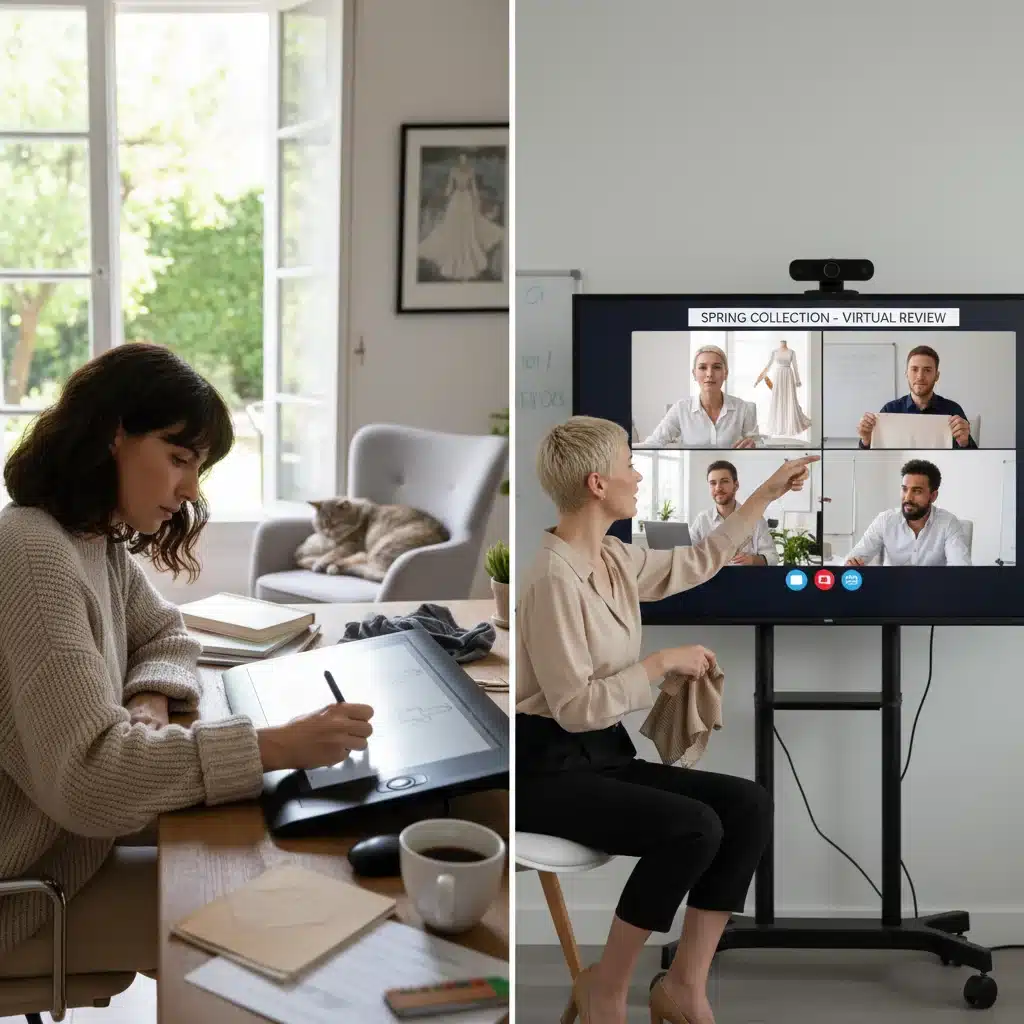
This is perhaps one of the most creatively impacted areas. Traditional design processes often involved physical mood boards, fabric swatches, and in-person fittings. With fashion remote work, these are being digitized. Designers are using advanced CAD software, virtual prototyping tools, and digital collaboration platforms to share ideas, iterate on designs, and conduct virtual fittings with models or avatars. This allows for faster turnaround times, reduced material waste, and the ability to involve global teams in the creative process. Sample makers might still work in a physical studio, but their output can be digitally scanned and shared instantly for feedback. The role of the physical atelier might shrink, becoming more of a specialized hub for final prototypes rather than the primary design space.
Supply Chain and Production
The global nature of fashion supply chains makes remote management particularly effective. Supply chain managers are increasingly relying on sophisticated software for real-time tracking, inventory management, and predictive analytics. Virtual audits of factories and digital communication with manufacturers are becoming standard. While on-site visits will still be necessary for quality control and relationship building, their frequency can be reduced. The focus for fashion remote work in this sector is on creating transparent, efficient, and resilient supply chains that can withstand disruptions, a lesson learned painfully during recent global events. Digital twins of manufacturing processes are also emerging, allowing for remote oversight and optimization.
Marketing and E-commerce
The marketing and e-commerce arms of fashion brands were already heavily digital, making the transition to fashion remote work relatively smoother. However, the strategies are evolving. Virtual fashion shows, digital lookbooks, influencer marketing campaigns managed remotely, and advanced data analytics to understand consumer behavior are all becoming more sophisticated. The emphasis is on creating immersive online experiences that replicate the excitement of physical retail. Digital content creation, social media management, and performance marketing are all roles perfectly suited for remote execution, allowing brands to reach global audiences more effectively and economically. The rise of the metaverse and NFTs also opens new avenues for entirely virtual fashion experiences and products.
Retail and Customer Experience
While physical retail stores will always have a place, their role is evolving. Stores may become more experience-driven hubs, while the bulk of transactions shift online. For fashion remote work, this means a greater emphasis on remote customer service, personal styling appointments conducted virtually, and the use of AR for virtual try-ons. Retail operations teams can manage inventory, merchandising, and sales performance remotely, using real-time data from across their network of stores and online channels. The integration of online and offline experiences, often managed by remote teams, will be crucial for a seamless customer journey.
Human Resources and Company Culture
HR departments are at the forefront of adapting to the new remote reality. This involves developing new policies for hybrid and fully remote teams, implementing effective onboarding processes for remote hires, and fostering a strong company culture virtually. Building trust, maintaining morale, and ensuring effective communication channels are critical for successful fashion remote work. Companies are investing in virtual team-building activities, mental health support, and training programs to equip employees and managers with the skills needed to thrive in a distributed environment. Diversity, equity, and inclusion initiatives also benefit from remote work by allowing companies to hire from a broader demographic pool.
Challenges and Solutions in the Remote Fashion Landscape
While the benefits of fashion remote work are substantial, the transition is not without its hurdles. Addressing these challenges proactively is key to successful restructuring.
Maintaining Creativity and Collaboration
One of the primary concerns in a remote fashion environment is how to maintain the spontaneous creativity and collaborative synergy that often arises from in-person interactions. Fashion is inherently a tactile and visual industry. Solutions include investing in advanced virtual collaboration tools that allow for real-time co-creation, virtual whiteboards, and immersive 3D environments. Regular virtual brainstorming sessions, dedicated ‘creative sync’ meetings, and even virtual coffee breaks can help foster a sense of connection and idea generation. Some companies are also adopting a ‘hub-and-spoke’ model, where teams primarily work remotely but gather periodically for intensive creative sprints or workshops.
Ensuring Data Security and Intellectual Property Protection
With sensitive designs, upcoming collections, and proprietary data being accessed and shared across various remote locations, data security becomes paramount. Robust cybersecurity measures, secure cloud storage, virtual private networks (VPNs), and strict protocols for handling confidential information are essential. Employee training on digital hygiene and security best practices is also crucial to prevent breaches. Legal frameworks for intellectual property in a remote, globally distributed team also need careful consideration.
Managing Global Teams and Time Zones
As fashion remote work enables global talent acquisition, managing teams across multiple time zones presents logistical challenges. Companies are implementing asynchronous communication strategies, flexible working hours, and clear documentation practices to ensure continuity. Project management tools with robust scheduling features become indispensable. Cultivating a culture of respect for different working hours and encouraging clear, concise communication are vital for effective global team management.
Onboarding and Training Remote Employees
Bringing new team members up to speed in a remote setting requires a thoughtful approach. Comprehensive digital onboarding programs, mentorship initiatives, and access to all necessary tools and resources from day one are crucial. Virtual training modules, regular check-ins with managers, and peer support systems help integrate new hires into the company culture and workflow. The goal is to make remote employees feel as connected and supported as their in-office counterparts.
What the Remote Work Revolution Means for Your Fashion Career by 2026
The restructuring of US fashion teams towards fashion remote work has profound implications for individual careers. Adaptability and continuous learning will be more critical than ever.
In-Demand Skills for the Remote Fashion Professional
- Digital Proficiency: Mastery of 3D design software, virtual collaboration platforms, project management tools, and data analytics is non-negotiable.
- Self-Discipline and Time Management: The ability to manage one’s own schedule, prioritize tasks, and remain productive without direct supervision.
- Communication Skills: Clear, concise, and proactive communication, both written and verbal, is essential in a remote environment. This includes mastering virtual presentation skills.
- Adaptability and Agility: The fashion industry is fast-paced, and remote work adds another layer of change. The ability to quickly adapt to new technologies, workflows, and team structures is key.
- Problem-Solving: Remote work often requires individuals to be more resourceful in resolving issues independently.
- Emotional Intelligence: Understanding and managing emotions, both your own and others’, is vital for effective virtual team collaboration and maintaining strong professional relationships.
New Career Opportunities and Roles
The shift to fashion remote work is creating entirely new roles and expanding existing ones:
- 3D Fashion Designer/Technician: Specialists in virtual garment creation and prototyping.
- Digital Textile Designer: Focused on creating digital prints and textures for virtual garments.
- Virtual Showroom/Experience Manager: Overseeing the creation and management of immersive digital retail and presentation spaces.
- Remote Team Coordinator/Facilitator: Ensuring seamless communication and collaboration across distributed teams.
- E-commerce Strategist (with remote focus): Optimizing online sales channels for a remote-first customer journey.
- Supply Chain Digitalization Specialist: Implementing and managing technology solutions for remote supply chain oversight.
- Fashion Technologist/Innovator: Bridging the gap between fashion and cutting-edge technology.
For existing roles, the emphasis shifts. A traditional fashion merchandiser might now be a ‘digital merchandiser,’ skilled in optimizing online product placement and virtual inventory management. A PR specialist might become a ‘virtual events and influencer manager,’ orchestrating global digital campaigns. The potential for growth and specialization within fashion remote work is immense.
Strategies for Career Advancement in a Remote Fashion World
To thrive in this evolving landscape, consider these strategies:
- Upskill Continuously: Invest in learning new digital tools and software relevant to your area of interest. Online courses, certifications, and workshops can be invaluable.
- Build a Strong Online Presence: Your professional portfolio, LinkedIn profile, and any personal brand content should reflect your digital prowess and remote work capabilities.
- Network Virtually: Attend online industry events, webinars, and join professional communities. Virtual networking is just as important as in-person connections.
- Demonstrate Proactivity and Initiative: In a remote setting, visible contributions and taking initiative are crucial for standing out.
- Master Asynchronous Communication: Learn to convey messages clearly and effectively without relying on immediate responses, respecting different time zones.
- Cultivate a Global Mindset: Understand cultural nuances and be prepared to collaborate with diverse teams across the world.
- Prioritize Well-being: Remote work can blur work-life boundaries. Develop strategies for self-care, maintaining a healthy work-life balance, and preventing burnout.
The Future of Fashion: Hybrid Models and Beyond
While fashion remote work is undeniably on the rise, it’s unlikely to be an entirely exclusive model. The most probable future for the US fashion industry by 2026 is a dynamic hybrid approach. This means a blend of remote work with strategic in-person gatherings. These might include:
- Creative Sprints: Teams converging for intense, in-person brainstorming and design sessions.
- Showroom Experiences: Physical spaces for buyers, press, and VIP clients to experience collections firsthand, complemented by virtual options.
- Team-Building Retreats: Regular opportunities for distributed teams to connect, foster culture, and strengthen relationships.
- Key Meetings and Presentations: Certain high-stakes meetings or critical decision-making processes may still benefit from face-to-face interaction.
The key will be flexibility and intentionality. Companies will need to carefully define when and why in-person collaboration is necessary, optimizing both remote and physical interactions to achieve the best outcomes. This hybrid model allows brands to leverage the benefits of fashion remote work while retaining the unique advantages of human connection and tangible experiences that are so vital to the fashion world.
The journey towards this future is continuous. It involves ongoing experimentation, feedback loops, and a willingness to adapt. Fashion brands that embrace this evolution, invest in the right technologies, and prioritize their people will be the ones that thrive in the competitive landscape of 2026 and beyond. For individuals, this means a career path that is potentially more flexible, globally connected, and rich with opportunities for those who are prepared to adapt and innovate.
Conclusion: Embracing the New Era of Fashion Remote Work
The US fashion industry is undergoing a profound and irreversible transformation towards fashion remote work and hybrid models. By 2026, the traditional office structure will be a relic of the past for many, replaced by dynamic, distributed teams powered by advanced technology and a new understanding of collaboration. This shift is driven by technological innovation, evolving employee expectations, cost efficiencies, and a growing commitment to sustainability.
For professionals, this means a redefinition of success. The skills that will be most valued are those that enable effective remote collaboration, digital proficiency, self-management, and continuous learning. New career paths are emerging, offering exciting opportunities for those who are proactive in adapting to these changes. While challenges such as maintaining creativity, ensuring security, and managing global teams exist, innovative solutions are continually being developed and implemented.
The future of fashion is flexible, global, and digitally empowered. Embracing the remote work revolution is not just about adapting to a new way of working; it’s about seizing the opportunity to shape a more innovative, efficient, and inclusive fashion industry. Your career in fashion in 2026 will be defined by your ability to navigate this exciting, evolving landscape, making fashion remote work a cornerstone of your professional journey.