Reskilling for the Future: How to Transition into High-Demand Fashion Tech Roles in the US by 2027
The landscape of the fashion industry is undergoing a profound transformation, driven by an accelerating wave of technological innovation. What was once primarily a realm of textiles, design, and traditional retail is now rapidly integrating cutting-edge technologies, creating a dynamic new sector: fashion technology, or ‘fashion tech’. This evolution isn’t just about e-commerce; it encompasses everything from AI-driven trend forecasting and 3D design to sustainable manufacturing processes and personalized customer experiences through data analytics. For professionals across various industries, and even those already within fashion, this presents both a challenge and an immense opportunity: the chance to reskill and pivot into high-demand fashion tech roles that are shaping the future of style and commerce in the United States.
Anúncios
By 2027, the demand for specialized skills at the intersection of fashion and technology is projected to skyrocket. This isn’t a distant future; it’s a rapidly approaching reality. Companies are actively seeking individuals who can bridge the gap between creative vision and technical execution. Whether you’re a seasoned fashion designer, a marketing professional, a data analyst, a software developer, or someone looking for a completely new career path, understanding the emerging needs of the fashion tech sector is paramount. This comprehensive guide will illuminate the specific high-demand roles, the essential skills required, and the strategic pathways you can take to effectively reskill and secure your place in this exciting new frontier of fashion.
The Ascendance of Fashion Tech: Why Reskilling is Crucial
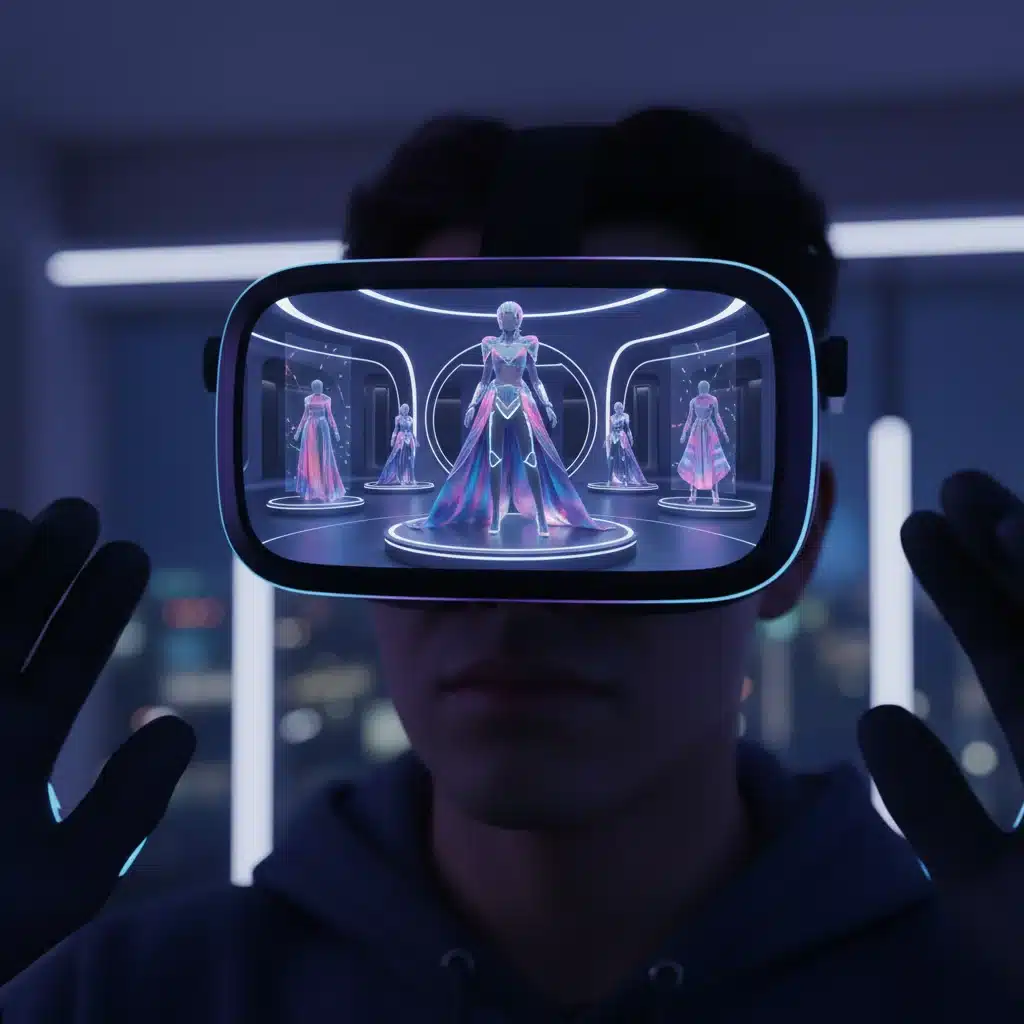
The traditional fashion industry has long been characterized by its reliance on seasonal cycles, physical retail, and a relatively linear supply chain. However, digital disruption has fundamentally altered this paradigm. E-commerce, social media, and global connectivity have already reshaped how fashion is consumed. Now, the next wave of innovation, fueled by artificial intelligence (AI), virtual and augmented reality (VR/AR), blockchain, data science, and advanced manufacturing, is transforming how fashion is designed, produced, marketed, and experienced.
Anúncios
This rapid technological integration means that many existing roles are evolving, and entirely new ones are emerging. For example, a traditional patternmaker might now need skills in 3D garment design software, while a marketing specialist might require expertise in AI-driven personalization platforms. The competitive edge in the coming years will belong to those who proactively embrace this change and acquire the necessary competencies. Reskilling for fashion tech reskilling is not just about learning new tools; it’s about adopting a new mindset that combines creativity with analytical rigor and technological fluency.
The US market, with its robust tech ecosystem and influential fashion hubs like New York and Los Angeles, is at the forefront of this transformation. Investments in fashion tech startups are soaring, and established brands are pouring resources into digital innovation. This creates a fertile ground for career growth for individuals equipped with the right blend of skills. Ignoring this shift would mean falling behind; embracing it opens up a world of opportunities in a vibrant, future-proof industry.
Identifying High-Demand Fashion Tech Roles by 2027
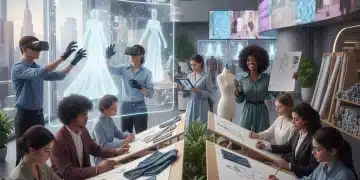
To effectively plan your reskilling journey, it’s essential to understand which specific roles are projected to be in high demand. These roles often require a hybrid skillset, combining traditional fashion knowledge with technological prowess. Here are some of the key areas and roles expected to dominate the fashion tech landscape by 2027:
1. 3D Apparel Designer / Digital Product Developer
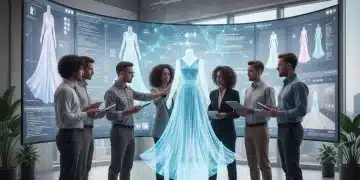
With the rise of virtual prototyping, digital showrooms, and direct-to-avatar fashion, 3D apparel designers are becoming indispensable. These professionals use software like CLO3D, Optitex, or Browzwear to create realistic 3D garments, reducing the need for physical samples, accelerating design cycles, and minimizing waste. They work closely with traditional designers, product developers, and even marketing teams to visualize collections digitally.
- Key Skills: 3D design software proficiency (CLO3D, Marvelous Designer, Substance Painter), understanding of garment construction, textile properties, digital rendering, animation basics.
- Why it’s in demand: Reduces costs, speeds up time-to-market, supports sustainable practices, enables virtual experiences.
2. AI & Data Scientist (Fashion Specific)
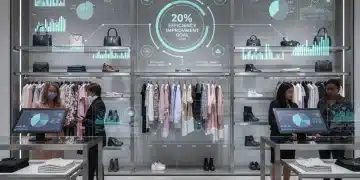
Data is the new fabric of the fashion industry. AI and data scientists analyze vast datasets to predict trends, optimize supply chains, personalize customer recommendations, manage inventory, and even assist in design processes. They build algorithms that can interpret consumer behavior, forecast demand, and identify market gaps.
- Key Skills: Python, R, machine learning, statistical modeling, data visualization, natural language processing (NLP), understanding of fashion retail metrics.
- Why it’s in demand: Drives efficiency, enhances customer experience, informs strategic decision-making, optimizes profitability.
3. E-commerce & Digital Marketing Strategist (Advanced)
While e-commerce has been around, its evolution in fashion tech involves advanced analytics, AI-driven personalization, AR try-ons, and seamless omnichannel integration. These strategists go beyond basic digital marketing, leveraging sophisticated tools to create immersive online shopping experiences and drive conversions.
- Key Skills: SEO/SEM, social media marketing, content strategy, Google Analytics, A/B testing, CRM platforms, understanding of AR/VR applications in retail, customer journey mapping.
- Why it’s in demand: Crucial for online brand presence, customer acquisition, and retention in a digitally-first world.
4. Sustainable & Circular Fashion Technologist
Sustainability is no longer a niche; it’s a core imperative. These roles focus on leveraging technology to create more environmentally friendly and ethically responsible fashion supply chains. This could involve blockchain for traceability, new material science applications, or optimizing recycling and upcycling processes through tech solutions.
- Key Skills: Knowledge of sustainable materials, supply chain management, blockchain fundamentals, lifecycle assessment, regulatory compliance, innovation in textile technology.
- Why it’s in demand: Addresses growing consumer and regulatory pressure for ethical and sustainable practices.
5. Wearable Technology & Smart Garment Developer
The convergence of fashion and wearable electronics is creating new product categories. Developers in this field design and integrate sensors, microcontrollers, and connectivity into garments and accessories, creating smart clothing for health monitoring, performance enhancement, or interactive experiences.
- Key Skills: Electronics engineering, embedded systems, IoT (Internet of Things), textile science, user experience (UX) design, materials science.
- Why it’s in demand: Taps into the growing market for connected devices and personalized health/wellness.
6. UX/UI Designer (Fashion Platforms)
As fashion goes digital, the user experience of websites, apps, and virtual platforms becomes paramount. UX/UI designers specializing in fashion create intuitive, engaging, and aesthetically pleasing interfaces that reflect brand identity and facilitate seamless interactions, from virtual try-ons to personalized styling services.
- Key Skills: User research, wireframing, prototyping (Figma, Sketch, Adobe XD), usability testing, visual design principles, understanding of fashion aesthetics, accessibility standards.
- Why it’s in demand: Essential for creating compelling digital customer journeys and brand loyalty.

Essential Skills for Successful Fashion Tech Reskilling
While specific roles demand specialized technical skills, a core set of competencies will serve as a strong foundation for any career in fashion tech. Focusing on these foundational skills will make your fashion tech reskilling journey more efficient and effective:
Technical Proficiency: The Non-Negotiables
- Programming Fundamentals: Even if you’re not aiming to be a software developer, a basic understanding of languages like Python or JavaScript can be incredibly beneficial. It helps in understanding how digital tools work, automating tasks, and communicating effectively with technical teams.
- Data Literacy: The ability to understand, interpret, and communicate insights from data is crucial. This includes familiarity with data visualization tools (e.g., Tableau, Power BI) and basic statistical concepts.
- Digital Design Tools: Proficiency in graphic design software (Adobe Creative Suite) and 3D modeling tools (like CLO3D for fashion, or even Blender/Cinema 4D for broader visualization) is increasingly important.
- E-commerce Platforms & Analytics: Understanding how platforms like Shopify, Magento, or Salesforce Commerce Cloud work, along with their integrated analytics, is vital for any digital role.
- Cloud Computing Basics: Familiarity with cloud services (AWS, Azure, Google Cloud) and their applications in data storage, processing, and application deployment is a growing asset.
Soft Skills: The Enduring Pillars of Success
- Adaptability and Continuous Learning: Technology evolves at a breakneck pace. The most successful professionals in fashion tech will be those who are eager to learn new tools and embrace change.
- Problem-Solving: Fashion tech often involves solving complex challenges, from optimizing supply chains to personalizing customer experiences. A strong problem-solving mindset is invaluable.
- Creativity and Innovation: While tech-driven, fashion remains an industry rooted in creativity. The ability to think innovatively and apply technology to new design or business solutions is highly prized.
- Collaboration and Communication: Fashion tech projects are inherently interdisciplinary, requiring seamless collaboration between designers, engineers, marketers, and business strategists. Effective communication is key.
- Business Acumen: Understanding the commercial aspects of the fashion industry – market trends, consumer behavior, profitability – allows technologists to create solutions that are not only innovative but also commercially viable.
Strategic Pathways for Fashion Tech Reskilling
Embarking on a fashion tech reskilling journey requires a strategic approach. Here are several effective pathways you can consider, often best combined for comprehensive learning:
1. Online Courses and Certifications
Platforms like Coursera, edX, Udacity, and LinkedIn Learning offer a wealth of courses in programming, data science, digital marketing, and UX/UI design. Look for specialized programs that specifically cater to fashion or creative industries, if available. Many universities also offer online certifications in relevant fields. These are often flexible and can be pursued while maintaining existing commitments.
- Pros: Flexible, often more affordable, wide range of topics, self-paced.
- Cons: Requires self-discipline, may lack hands-on project experience without additional effort.
2. Bootcamps and Intensive Programs
For a more immersive and accelerated learning experience, coding bootcamps, data science bootcamps, or specialized fashion tech programs can be highly effective. These are typically full-time and often include career services, project-based learning, and networking opportunities. Examples include General Assembly, Flatiron School, or specific fashion tech accelerators.
- Pros: Fast-paced, project-focused, strong career support, built-in networking.
- Cons: Intensive, significant time commitment, higher cost.
3. Higher Education: Graduate Degrees & Specialized Programs
For those seeking a more academic or research-oriented path, a Master’s degree in Fashion Technology, Digital Innovation, or a related field (e.g., Data Science with a fashion application focus) can provide a deep theoretical and practical understanding. Institutions like Parsons School of Design, FIT, or Cornell offer programs at the intersection of fashion and technology.
- Pros: In-depth knowledge, academic rigor, strong industry connections, research opportunities.
- Cons: Time-consuming, significant financial investment.
4. Industry Workshops and Conferences
Attending fashion tech conferences (e.g., Fashinnovation, NRF Big Show, SXSW Fashion & Tech Track) and workshops is an excellent way to stay updated on the latest trends, learn from industry leaders, and network with potential employers or collaborators. Many software providers also offer workshops on their specific tools.
- Pros: Up-to-date information, networking, exposure to new technologies.
- Cons: Can be costly, less structured learning.
5. Self-Learning and Personal Projects
Never underestimate the power of self-directed learning. Utilize free online resources, tutorials, open-source projects, and build a portfolio of personal projects. For instance, try designing a 3D garment, analyzing fashion retail data, or developing a small e-commerce feature. This hands-on experience is invaluable for demonstrating your skills.
- Pros: Free or low-cost, highly flexible, builds a strong portfolio.
- Cons: Requires high self-motivation, can be unstructured.
Tailoring Your Reskilling Journey: Practical Steps
Once you’ve identified your target role and chosen your learning pathways, here are some practical steps to ensure your fashion tech reskilling is successful:
1. Assess Your Current Skillset
Before diving into new learning, take stock of your existing skills. What transferable skills do you already possess? For example, a traditional fashion merchandiser has a deep understanding of product lifecycle and market trends, which is highly valuable for an AI data scientist specializing in fashion. A graphic designer already has a strong aesthetic sense, which is a great foundation for UX/UI in fashion.
2. Define Your Niche
The fashion tech space is broad. Trying to learn everything at once can be overwhelming. Instead, focus on a specific niche that aligns with your interests and the market demand. Do you want to specialize in sustainable materials tech, virtual fashion experiences, or supply chain optimization? A clear focus will guide your learning path.
3. Build a Portfolio
In technology, practical application is key. Create a portfolio that showcases your new skills. This could include 3D garment renderings, data analysis projects, UX/UI case studies, or even small coding projects related to fashion. A strong portfolio often speaks louder than a resume alone.
4. Network, Network, Network
Attend industry events, join online communities (e.g., LinkedIn groups, specific fashion tech forums), and connect with professionals in the field. Networking can open doors to mentorship, internships, and job opportunities. Informational interviews can provide invaluable insights into specific roles and required skills.
5. Seek Internships or Entry-Level Positions
If a direct transition isn’t immediately possible, consider an internship or an entry-level position in a fashion tech company. This provides hands-on experience, allows you to apply your new skills, and builds your professional network within the industry. Many companies are open to hiring individuals with strong potential and a willingness to learn, even if they lack extensive prior experience in fashion tech.
6. Stay Updated with Industry Trends
The fashion tech landscape is constantly evolving. Regularly read industry publications, follow thought leaders on social media, and subscribe to relevant newsletters. Staying informed about new technologies, startups, and market shifts will keep your skills relevant and your career trajectory on track.
The Future is Now: Embracing Fashion Tech Reskilling
The fashion industry is at an inflection point, and technology is the driving force behind its next evolution. The demand for skilled professionals who can navigate this intersection of creativity and code is not just a passing trend; it’s a fundamental shift in how fashion operates. By proactively engaging in fashion tech reskilling, you are not merely adapting to change; you are positioning yourself to be a leader and innovator in a vibrant, growing sector. The opportunities in the US market for these high-demand roles by 2027 are significant and accessible to those willing to invest in their continuous learning and development.
Whether you choose to delve into 3D design, harness the power of AI for trend forecasting, develop sustainable solutions, or craft immersive digital experiences, the path to a rewarding career in fashion tech is open. Start by assessing your strengths, identifying your passions, and then strategically acquiring the skills that will empower you to shape the future of fashion. The journey of reskilling is an investment in your future, promising a career that is not only in demand but also intellectually stimulating and creatively fulfilling.
Don’t wait for the future to arrive; build it. The fashion tech revolution is here, and with the right skills and mindset, you can be at its forefront.
Frequently Asked Questions about Fashion Tech Reskilling
What is fashion tech?
Fashion tech, or fashion technology, refers to the integration of advanced technologies such as AI, VR/AR, blockchain, data science, and advanced manufacturing into various aspects of the fashion industry. This includes design, production, supply chain management, marketing, retail, and consumer experience.
Why is reskilling important for fashion professionals?
Reskilling is crucial because technology is rapidly transforming traditional fashion roles and creating new ones. Professionals need to acquire new digital and technical skills to remain competitive, adapt to industry changes, and seize emerging career opportunities in areas like 3D design, data analytics, and digital marketing.
What are some entry-level fashion tech roles?
Entry-level roles can include Junior 3D Apparel Designer, E-commerce Assistant with analytics focus, Digital Content Creator, or Data Analyst Intern for fashion brands. Many roles value transferable skills and a strong willingness to learn new technologies.
Can I transition into fashion tech without a traditional fashion background?
Absolutely. Many roles in fashion tech, especially those in data science, software development, or UX/UI, are open to individuals with strong technical backgrounds who have an interest in fashion. A passion for fashion combined with relevant tech skills is often more important than a traditional fashion degree.
How long does it take to reskill for a fashion tech role?
The time required for fashion tech reskilling varies greatly depending on your starting point, the complexity of the target role, and the learning pathway chosen. Intensive bootcamps might take 3-6 months, while online courses can be spread over 6-12 months. Self-learning can be ongoing. A realistic timeframe for acquiring foundational skills for a new role is often 6-18 months.
Are there free resources available for fashion tech reskilling?
Yes, many free resources exist. Websites like freeCodeCamp, Codecademy, and YouTube offer tutorials on programming languages. Google’s Digital Garage provides free digital marketing courses. You can also find free introductory courses on platforms like Coursera and edX (often with an option to pay for a certificate).