US Labor Laws 2026: Fashion Production Compliance Guide

Anúncios
Compliance Update: Navigating New US Labor Laws Affecting Fashion Production in 2026
The fashion industry is a dynamic realm, constantly evolving with trends, technologies, and consumer demands. However, beneath the glamour and creativity lies a complex web of production, supply chains, and, critically, labor regulations. As we approach 2026, businesses involved in fashion production within the United States are facing significant updates to labor laws. These changes are not merely administrative hurdles; they represent a fundamental shift towards greater transparency, worker protection, and ethical sourcing. For any fashion brand, manufacturer, or supplier operating in the US, understanding and adapting to these new mandates is paramount for continued success and avoiding costly penalties. This comprehensive guide will delve into the intricacies of the upcoming US labor laws for 2026, offering actionable insights to ensure your operations remain fully compliant and ethically sound. Staying ahead in fashion labor compliance is not just about avoiding legal trouble; it’s about building a sustainable, reputable, and resilient business model.
Anúncios
The Evolving Landscape of US Labor Regulations: What’s New for 2026?
The United States has a robust, albeit complex, framework of labor laws designed to protect workers’ rights, ensure fair compensation, and promote safe working conditions. These laws are not static; they are continually refined and updated in response to economic shifts, social advocacy, and technological advancements. The 2026 updates affecting fashion production are a culmination of several ongoing legislative efforts aimed at rectifying past issues and setting higher standards for the future. Understanding these overarching trends is the first step in effective fashion labor compliance.
Key Areas of Focus in the New Legislation
While specific legislative details are still being finalized and some state-level variations will exist, several key themes are emerging as central to the 2026 labor law updates:
Anúncios
- Enhanced Wage and Hour Protections: Expect stricter enforcement and potentially higher minimum wage thresholds, revised overtime rules, and clearer guidelines on what constitutes compensable work time. This could include stricter definitions of “on-call” time, travel time, and preparatory work. For piece-rate workers common in fashion production, new rules might ensure that their effective hourly wage consistently meets or exceeds the minimum wage, regardless of production output.
- Supply Chain Transparency and Due Diligence: A major push is towards holding brands accountable for labor practices not just within their direct operations but throughout their entire supply chain, both domestic and international. This means increased scrutiny on subcontractors, material suppliers, and even raw material origins to prevent forced labor, child labor, and other human rights abuses. Documenting due diligence processes will become critical for robust fashion labor compliance.
- Worker Safety and Health Standards: Beyond general OSHA requirements, there’s an anticipated focus on industry-specific hazards within textile and apparel manufacturing. This could translate into more stringent rules for chemical handling, machinery safety, ergonomic standards to prevent repetitive strain injuries, and improved air quality in production facilities. Mental health support in the workplace is also gaining traction as a critical component of worker well-being.
- Anti-Discrimination and Harassment Policies: Strengthening existing protections against discrimination based on race, gender, age, religion, disability, and sexual orientation is a continuous effort. New regulations may include more explicit requirements for training, reporting mechanisms, and employer accountability in preventing and addressing workplace harassment.
- Gig Economy and Contractor Classification: The fashion industry, particularly in areas like design, marketing, and specialized production tasks, often utilizes independent contractors. New laws may further clarify the distinction between employees and contractors, making it harder to misclassify workers to avoid providing benefits and protections. Incorrect classification can lead to significant back pay, penalties, and legal challenges.
Impact on Fashion Production: Challenges and Opportunities
These regulatory shifts will undoubtedly present challenges for fashion businesses. Increased administrative burden, potential rises in labor costs, and the need for significant operational adjustments are real concerns. However, viewing these changes solely as burdens would be short-sighted. They also present significant opportunities for brands willing to embrace them proactively. Strong fashion labor compliance can become a competitive advantage.
Navigating the Challenges
- Increased Operational Costs: Adhering to higher minimum wages, expanded benefits, and improved safety measures will likely increase direct labor costs. Investing in new compliance software, training programs, and auditing processes will also add to overhead.
- Supply Chain Complexity: Vetting every tier of the supply chain for labor compliance is a monumental task, especially for brands with global sourcing networks. This requires robust data collection, supplier audits, and potentially difficult decisions about current partnerships.
- Risk of Penalties and Reputational Damage: Non-compliance can lead to hefty fines, legal battles, and severe reputational damage. In an era where consumers are increasingly conscious of ethical production, a single scandal can devastate a brand’s image and market share.
- Talent Retention and Recruitment: While improved conditions are good for workers, the increased scrutiny and administrative tasks can strain HR departments, making it challenging to attract and retain specialized compliance talent.
Embracing the Opportunities
- Enhanced Brand Reputation: Brands that visibly commit to ethical labor practices and transparent supply chains will gain consumer trust and loyalty. This can differentiate them in a crowded market and appeal to a growing segment of socially conscious buyers.
- Improved Worker Morale and Productivity: Fair wages, safe conditions, and respectful treatment lead to a more engaged, motivated, and productive workforce. This can reduce turnover, improve quality, and foster innovation.
- Reduced Legal and Financial Risks: Proactive compliance minimizes the risk of costly lawsuits, government penalties, and disruptions to production due to labor disputes. Investing in compliance now is an insurance policy against future liabilities.
- Supply Chain Optimization: The need for greater transparency can force companies to critically evaluate their supply chains, leading to more efficient, resilient, and ethical sourcing strategies. This might involve consolidating suppliers or investing in local production.
- Innovation in Compliance Technology: The demand for better compliance management will spur innovation in software solutions, AI-driven auditing, and blockchain for supply chain traceability, offering new tools for efficient oversight.
Strategies for Achieving 2026 Fashion Labor Compliance
Proactive planning is essential. Businesses should not wait until the last minute to review their current practices and implement necessary changes. Here’s a strategic roadmap to ensure your fashion production operations are fully compliant by 2026.
1. Conduct a Comprehensive Compliance Audit
The first step is to understand your current standing. Engage legal counsel or compliance experts to perform a thorough audit of your existing labor practices. This should cover:
- Wage and Hour Records: Scrutinize timekeeping, payroll, overtime calculations, and minimum wage adherence for all employee categories.
- Worker Classification: Review all independent contractor agreements to ensure they meet the latest legal definitions.
- Health and Safety Protocols: Assess existing safety manuals, training programs, equipment maintenance, and incident reporting procedures against anticipated new standards.
- HR Policies: Examine anti-discrimination, anti-harassment, leave policies, and employee handbooks for alignment with upcoming regulations.
- Supply Chain Mapping: Identify all suppliers, subcontractors, and material sources. Document their labor practices, certifications, and compliance history.
2. Update Policies and Procedures
Based on your audit findings and the new legal requirements, revise all relevant internal policies and procedures. This includes:
- Employee Handbooks: Update sections on wages, benefits, working hours, codes of conduct, discrimination, and harassment.
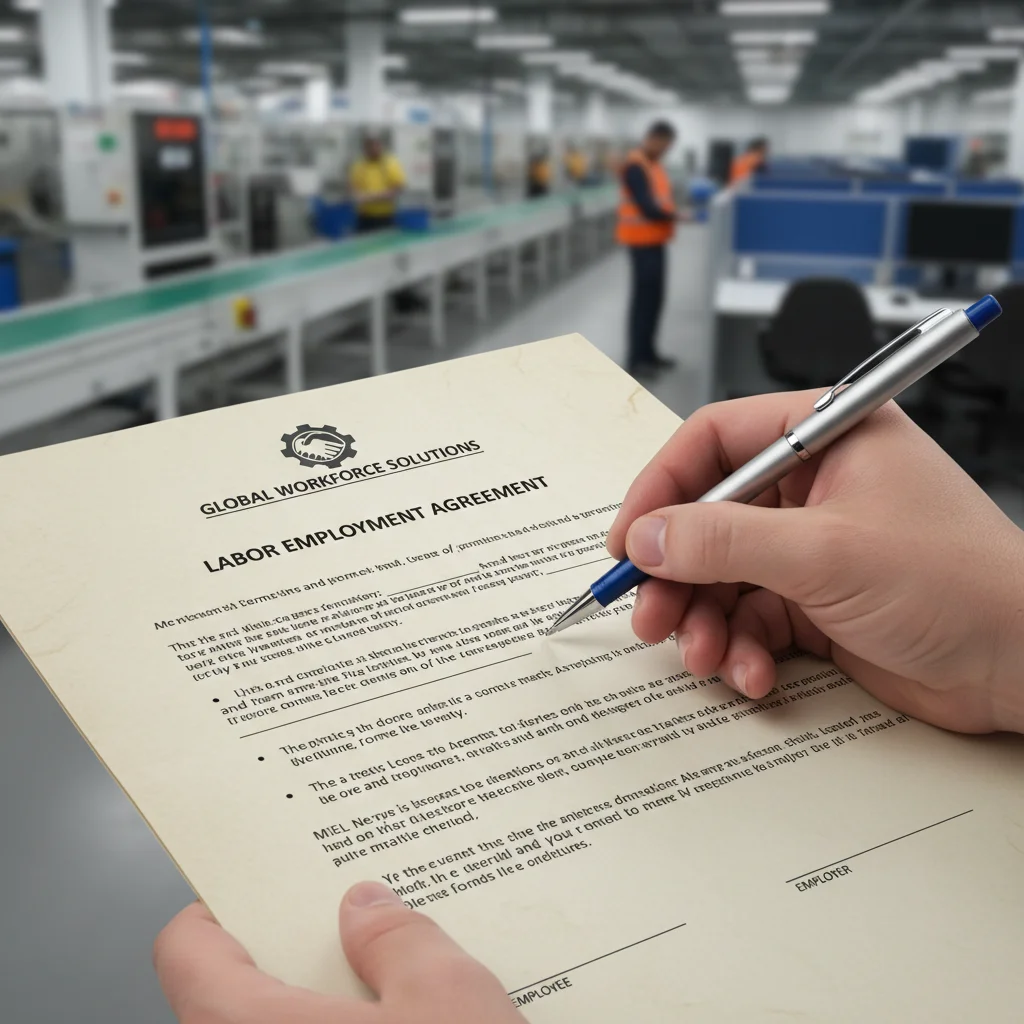
- Contracts: Redraft employment contracts, contractor agreements, and supplier agreements to include clauses reflecting new compliance obligations.
- Training Programs: Develop and implement mandatory training for all employees, especially managers and HR personnel, on new labor laws, ethical conduct, and reporting procedures.
- Safety Manuals: Incorporate updated safety guidelines, emergency protocols, and hazard communication standards specific to fashion production.
3. Enhance Supply Chain Due Diligence
This is arguably one of the most challenging but critical aspects of future fashion labor compliance. Develop a robust due diligence framework:
- Supplier Code of Conduct: Establish a clear code of conduct that all suppliers must adhere to, explicitly outlining labor standards, human rights, and environmental expectations.
- Regular Audits: Implement a schedule for third-party labor audits of your suppliers, both announced and unannounced.
- Traceability Systems: Invest in technology (e.g., blockchain, digital platforms) that can track materials and products from raw source to finished garment, providing transparency into labor conditions at each stage.
- Risk Assessment: Continuously assess the labor risks associated with different sourcing regions, material types, and supplier profiles.
- Corrective Action Plans: Establish clear procedures for addressing non-compliance found within the supply chain, including remediation plans and potential termination of contracts.
4. Invest in Technology and Automation
Technology can significantly streamline compliance efforts and reduce human error:
- HR and Payroll Software: Utilize advanced HRIS (Human Resources Information Systems) and payroll software that can automatically track hours, calculate wages, manage benefits, and generate compliance reports.
- Compliance Management Platforms: Implement specialized software that helps manage supplier audits, track corrective actions, and store compliance documentation securely.
- E-learning Platforms: Use online platforms for delivering consistent and trackable compliance training to your workforce.
- Data Analytics: Leverage data analytics to identify patterns in labor practices, potential compliance gaps, and areas for improvement.
5. Foster a Culture of Compliance
Compliance is not just about rules; it’s about embedding ethical practices into your company’s DNA. This requires:
- Leadership Buy-in: Ensure that senior management is fully committed to compliance and actively champions ethical labor practices.
- Open Communication: Create channels for employees to voice concerns or report violations without fear of retaliation.
- Regular Communication: Keep employees informed about changes in policies and their rights.
- Continuous Improvement: View compliance as an ongoing process, not a one-time fix. Regularly review and update your strategies in response to new information and evolving best practices.

Specific Considerations for Different Fashion Production Models
The fashion industry encompasses a wide array of production models, each with unique compliance challenges. Tailoring your approach to your specific model is crucial for effective fashion labor compliance.
In-House Manufacturing
For brands that own and operate their manufacturing facilities in the US, direct control allows for more immediate implementation of new policies. However, it also means direct liability. Focus on:
- Detailed Timekeeping: Implement robust systems to accurately track all hours worked, including breaks and non-production time.
- Ergonomics and Safety: Invest in equipment and training to minimize risks associated with repetitive tasks common in garment assembly.
- Fair Wage Structures: Ensure piece-rate systems, if used, consistently translate to at least minimum wage, and overtime is correctly calculated for all hours over 40.
Outsourced Domestic Manufacturing
Many brands partner with third-party manufacturers within the US. While these manufacturers are legally responsible for their own employees, the brand can still face reputational damage and, in some cases, co-liability. Key strategies include:
- Strong Contractual Agreements: Include explicit clauses in contracts requiring manufacturers to comply with all federal, state, and local labor laws.
- Regular Audits: Conduct or commission independent audits of your manufacturing partners.
- Performance Metrics: Include labor compliance as a key performance indicator (KPI) for your manufacturing partners.
Hybrid Models and Specialized Production
For brands utilizing a mix of in-house, outsourced, and specialized production (e.g., custom tailoring, limited runs), the complexity increases. It’s vital to:
- Categorize and Prioritize: Understand the specific labor risks associated with each production segment.
- Standardize Compliance Requirements: Develop a universal set of labor standards that apply to all production partners, regardless of their size or specialization.
- Educate Partners: Provide resources and guidance to smaller or specialized partners who may have fewer resources for compliance.
The Long-Term Vision: Ethical Production as a Core Value
Ultimately, navigating the 2026 US labor law updates should be seen as more than just a compliance exercise. It’s an opportunity to embed ethical production as a core value of your fashion business. Consumers, investors, and employees are increasingly demanding that companies operate with integrity and social responsibility. Brands that lead in this area will not only avoid legal pitfalls but will also build stronger, more resilient businesses poised for long-term success.
The journey towards full fashion labor compliance by 2026 requires dedication, investment, and a commitment to continuous improvement. By proactively addressing these changes, fashion businesses can transform potential challenges into powerful drivers for positive change, fostering a more equitable, transparent, and sustainable industry for everyone involved.
Staying Informed: Resources and Next Steps
As legislative details solidify, it’s crucial to stay updated. Here are recommended actions:
- Consult Legal Experts: Engage with labor law attorneys specializing in the fashion industry.
- Monitor Government Websites: Regularly check updates from the Department of Labor (DOL), OSHA, and relevant state labor departments.
- Join Industry Associations: Organizations like the American Apparel & Footwear Association (AAFA) often provide guidance and resources specific to the industry.
- Attend Webinars and Conferences: Participate in industry events focused on compliance and ethical sourcing.
The future of fashion production in the US is one that prioritizes both style and ethics. By embracing the upcoming labor law changes, your brand can contribute to a more responsible industry while securing its own prosperous future.