Maximizing Q3 2026 Sales: 4 E-commerce Strategies for US Fashion Startups
The third quarter of 2026 is rapidly approaching, and for US fashion startups, this period presents a critical window for substantial growth and market penetration. In an increasingly competitive digital landscape, merely having a great product is no longer enough. Success hinges on a meticulously planned and flawlessly executed e-commerce strategy. This article delves into four pivotal fashion startup strategies designed to not only boost your Q3 2026 sales but also to lay a robust foundation for long-term success in the dynamic US fashion market.
Anúncios
The US fashion industry, valued at hundreds of billions, is characterized by its rapid trends, discerning consumers, and a constant influx of new brands. For startups, breaking through the noise requires more than just innovation; it demands strategic thinking, adaptability, and a deep understanding of consumer behavior. Q3, often encompassing summer sales, back-to-school preparations, and early fall collections, offers unique opportunities to capture significant market share. By focusing on sustainable practices, harnessing the power of influencer marketing, leveraging data analytics, and delivering hyper-personalized shopping experiences, fashion startups can carve out their niche and drive impressive revenue growth.
We will explore each of these fashion startup strategies in detail, providing actionable insights and practical tips that you can implement immediately. From eco-conscious manufacturing to data-driven decision-making, prepare to transform your e-commerce operations and make Q3 2026 your most successful quarter yet.
Anúncios
1. Embrace and Market Sustainable Fashion Practices
In 2026, sustainability is no longer a niche concern; it’s a mainstream expectation, especially among the younger demographic that forms a significant portion of the US fashion market. Consumers are increasingly aware of the environmental and social impact of their purchases, and they are willing to pay a premium for brands that align with their values. For US fashion startups, integrating sustainable practices into your core business model and effectively communicating these efforts can be a powerful differentiator and a potent sales driver for Q3 2026.
Why Sustainability Matters for Your Fashion Startup
- Increased Consumer Demand: Studies consistently show a growing preference for sustainable products. Gen Z and Millennials, in particular, are actively seeking out eco-friendly and ethically produced fashion.
- Brand Reputation and Loyalty: A commitment to sustainability builds trust and enhances your brand’s reputation, fostering a loyal customer base that resonates with your values.
- Competitive Advantage: While larger brands often struggle to pivot to sustainable models quickly, startups are agile and can embed these practices from inception, creating a significant competitive edge.
- Reduced Operational Costs: In the long run, sustainable practices can lead to efficiencies in resource use, waste reduction, and energy consumption, potentially lowering operational costs.
Actionable Sustainable Fashion Startup Strategies for Q3 2026:
- Source Ethically and Transparently:
- Materials: Prioritize organic cotton, recycled polyester, Tencel, linen, hemp, and other low-impact fabrics. Research suppliers thoroughly to ensure their practices align with your values.
- Manufacturing: Partner with factories that offer fair wages, safe working conditions, and minimal environmental impact. Consider local manufacturing to reduce your carbon footprint and support local economies.
- Transparency: Be open about your supply chain. Use your website and marketing materials to share stories about where your materials come from, how your clothes are made, and the people behind your products.
- Design for Longevity and Circularity:
- Quality over Quantity: Focus on creating durable, timeless pieces that consumers will cherish for years, reducing the need for frequent replacements.
- Modular Design: Explore designs that allow for easy repair or component replacement, extending the product’s life.
- End-of-Life Solutions: Consider implementing take-back programs, repair services, or partnerships with textile recycling initiatives to ensure your products don’t end up in landfills.
- Eco-Friendly Packaging and Shipping:
- Minimalist Packaging: Reduce unnecessary packaging. Use recycled, recyclable, or compostable materials for all packaging components.
- Plastic-Free: Aim to eliminate single-use plastics from your packaging and shipping processes.
- Carbon-Neutral Shipping: Partner with shipping providers that offer carbon-offset programs, or invest in offsets yourself to mitigate the environmental impact of deliveries.
- Effective Communication and Marketing:
- Tell Your Story: Use your website, social media, and email marketing to passionately communicate your sustainability journey. Highlight specific initiatives, certifications, and the positive impact your brand is making.
- Educate Your Audience: Help consumers understand the benefits of sustainable fashion and how their choices can make a difference.
- Certifications and Labels: If applicable, showcase any relevant certifications (e.g., GOTS, Fair Trade) prominently on your products and website to build credibility.
By embedding sustainability into every facet of your operations and effectively communicating these efforts, your US fashion startup can attract a growing segment of conscious consumers, boost Q3 2026 sales, and build a resilient brand for the future.

2. Harness the Power of Influencer Marketing and User-Generated Content (UGC)
In the digital age, traditional advertising often falls short for fashion startups. Consumers, especially younger ones, are more likely to trust recommendations from peers or authentic voices they follow online than direct brand messaging. This is where influencer marketing and user-generated content (UGC) become indispensable fashion startup strategies for Q3 2026. These approaches offer a more organic, relatable, and cost-effective way to reach your target audience and drive conversions.
Why Influencer Marketing and UGC are Crucial:
- Authenticity and Trust: Influencers provide genuine endorsements, and UGC acts as social proof, building trust with potential customers.
- Targeted Reach: Influencers have dedicated audiences that align with specific demographics and interests, allowing for highly targeted marketing.
- Increased Engagement: Content from influencers and users often generates higher engagement rates than brand-produced content, leading to better visibility and recall.
- Cost-Effectiveness: Especially with micro and nano-influencers, this strategy can be more budget-friendly than traditional advertising while yielding higher ROI.
- SEO Benefits: UGC can improve your site’s SEO by creating fresh, relevant content and increasing brand mentions across the web.
Executing a Successful Influencer and UGC Strategy for Q3 2026:
- Identify the Right Influencers:
- Micro and Nano-Influencers: For fashion startups, these influencers (1,000-100,000 followers) often have higher engagement rates and more authentic connections with their audience. Their followers are typically highly niche and receptive.
- Brand Alignment: Choose influencers whose personal brand, style, and values genuinely align with your fashion startup. Authenticity is key.
- Engagement Over Follower Count: Focus on engagement rates (likes, comments, shares) rather than just the number of followers.
- Platform Relevance: Consider platforms where your target audience is most active – Instagram, TikTok, YouTube, Pinterest, and even niche fashion blogs are prime candidates.
- Develop Clear Campaign Goals and Briefs:
- Define Objectives: Are you aiming for brand awareness, website traffic, specific product sales, or email sign-ups?
- Creative Freedom with Guidelines: Provide influencers with clear guidelines about your brand messaging, key product features, and desired call-to-action, but also allow them creative freedom to produce content that resonates with their audience.
- Compensation: Offer fair compensation, which can include free products, affiliate commissions, or a flat fee, depending on the influencer’s reach and the campaign’s scope.
- Encourage and Curate User-Generated Content:
- Hashtag Campaigns: Create unique, memorable hashtags and encourage customers to use them when sharing their outfits or experiences with your products.
- Contests and Giveaways: Run contests that require users to post photos or videos featuring your products for a chance to win prizes.
- Customer Spotlights: Regularly feature customer photos on your social media channels, website, and email newsletters (with permission). This not only provides fresh content but also makes customers feel valued.
- Reviews and Testimonials: Actively solicit reviews and testimonials on your product pages and third-party platforms. Visual reviews (photos/videos) are particularly powerful.
- Track and Analyze Performance:
- Key Metrics: Monitor metrics like reach, engagement rate, website traffic, conversion rates, and sales directly attributed to influencer campaigns and UGC.
- Tools: Utilize analytics tools provided by social media platforms, influencer marketing platforms, and your e-commerce analytics to measure ROI.
- Iterate: Learn from what works and what doesn’t. Refine your influencer selection and content strategies based on performance data.
By strategically integrating influencer marketing and actively encouraging UGC, your fashion startup can build a vibrant community around your brand, significantly expand your reach, and convert engaged followers into loyal customers, ultimately boosting your Q3 2026 sales.
3. Leverage Data Analytics for Smarter Decision-Making
In the fast-paced world of fashion e-commerce, intuition can only take you so far. To truly maximize Q3 2026 sales, US fashion startups must adopt a data-driven approach. Leveraging data analytics allows you to understand your customers, optimize your product offerings, refine your marketing efforts, and identify growth opportunities with precision. This is one of the most critical fashion startup strategies for sustainable growth.
The Indispensable Role of Data Analytics:
- Customer Insights: Understand who your customers are, what they buy, when they buy, and why.
- Inventory Optimization: Prevent overstocking or understocking, reducing waste and lost sales.
- Personalized Experiences: Tailor recommendations, marketing messages, and website content to individual preferences.
- Marketing ROI: Measure the effectiveness of your campaigns and allocate budgets more efficiently.
- Trend Forecasting: Identify emerging fashion trends and consumer demands to stay ahead of the curve.
Key Data Analytics Strategies for Your Fashion Startup in Q3 2026:
- E-commerce Platform Analytics (e.g., Shopify, Magento):
- Sales Reports: Analyze daily, weekly, and monthly sales data. Identify best-selling products, slow-moving inventory, and sales patterns.
- Customer Behavior: Track metrics like average order value (AOV), customer lifetime value (CLTV), conversion rates, and cart abandonment rates.
- Product Performance: Understand which products are viewed most, added to cart, and ultimately purchased. This helps in merchandising and future product development.
- Website Analytics (e.g., Google Analytics 4):
- Traffic Sources: Identify where your visitors are coming from (social media, organic search, paid ads, referrals) to optimize your marketing spend.
- User Flow: Understand how users navigate your website, identify drop-off points, and optimize your site’s structure and user experience.
- Demographics and Interests: Gain insights into the age, gender, and interests of your audience to refine your target marketing.
- Site Search Data: Analyze what customers are searching for on your site to uncover demand for specific products or categories.
- Social Media Analytics:
- Audience Demographics: Understand the demographics of your social media followers.
- Content Performance: Analyze which posts, stories, and reels generate the most engagement, reach, and conversions.
- Influencer Campaign Tracking: Monitor the performance of your influencer collaborations to assess their impact on brand awareness and sales.
- Customer Relationship Management (CRM) Data:
- Purchase History: Segment customers based on their past purchases, frequency, and monetary value.
- Customer Feedback: Collect and analyze feedback from surveys, reviews, and customer service interactions to identify pain points and areas for improvement.
- Email Engagement: Track open rates, click-through rates, and conversion rates from your email marketing campaigns.
- Implementing A/B Testing:
- Use data to identify areas for improvement (e.g., product page layout, call-to-action buttons, email subject lines).
- Conduct A/B tests to compare different versions and see which performs better, making data-backed decisions on website design, marketing copy, and promotions.
By integrating these data analytics fashion startup strategies, you move beyond guesswork. You can make informed decisions about product launches, marketing campaigns, pricing strategies, and website optimization, leading to significantly improved efficiency and a strong surge in Q3 2026 sales.
4. Cultivate Hyper-Personalized Shopping Experiences
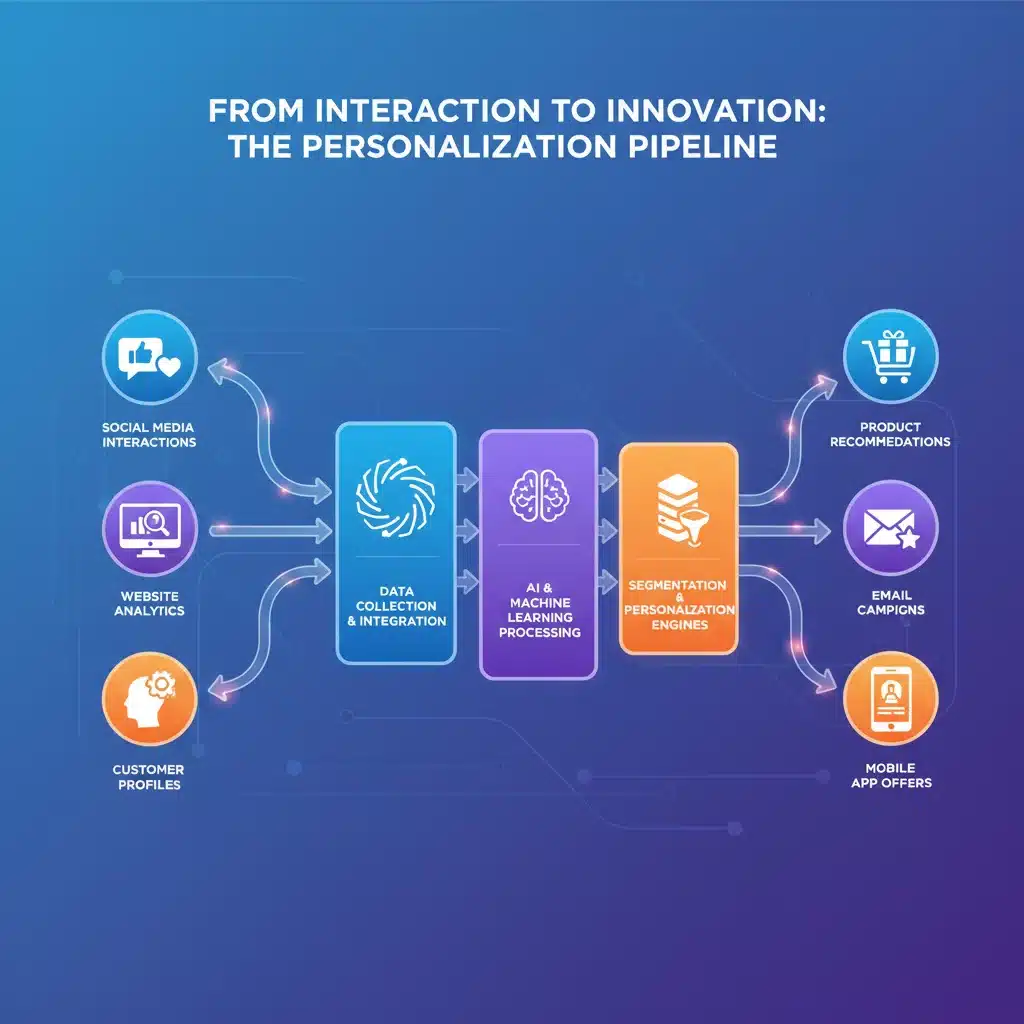
In today’s crowded e-commerce space, generic shopping experiences are quickly forgotten. To truly stand out and drive Q3 2026 sales, US fashion startups must move beyond basic personalization and cultivate hyper-personalized shopping journeys for each customer. This means understanding individual preferences, anticipating needs, and delivering tailored content, products, and offers at every touchpoint. This is a sophisticated yet highly rewarding one of the fashion startup strategies.
The Impact of Hyper-Personalization:
- Increased Conversion Rates: When products and offers are relevant, customers are more likely to buy.
- Enhanced Customer Loyalty: Personalized experiences make customers feel valued and understood, fostering deeper brand connections.
- Higher Average Order Value (AOV): Tailored recommendations can lead customers to discover complementary products they might not have found otherwise.
- Reduced Cart Abandonment: Relevant reminders and personalized incentives can bring customers back to complete their purchases.
- Improved Customer Satisfaction: A seamless, relevant shopping experience leaves a positive impression, encouraging repeat business and word-of-mouth referrals.
Actionable Hyper-Personalization Fashion Startup Strategies for Q3 2026:
- Dynamic Website Content and Product Recommendations:
- Browsing History: Use a customer’s past browsing behavior (viewed items, categories) to suggest similar or complementary products on the homepage, product pages, and cart page.
- Purchase History: Recommend items based on previous purchases. For example, if a customer bought a dress, suggest accessories or shoes that would pair well with it.
- Real-Time Personalization: Implement tools that adapt website content and product displays in real-time based on current browsing session data (e.g., new vs. returning visitor, current location, device).
- ‘Customers who bought this also bought…’ / ‘Frequently bought together’: Leverage collaborative filtering to show popular pairings.
- Personalized Email Marketing Campaigns:
- Segmented Lists: Divide your email subscribers into segments based on demographics, purchase history, browsing behavior, interests, and engagement levels.
- Targeted Promotions: Send emails with promotions for specific product categories a customer has shown interest in or abandoned in their cart.
- Birthday/Anniversary Offers: Send personalized discounts or special offers to celebrate customer milestones.
- Abandoned Cart Reminders: Send automated emails reminding customers about items left in their cart, potentially with a small incentive to complete the purchase.
- Back-in-Stock Alerts: Notify customers when an item they previously viewed or added to a wishlist is back in stock.
- Interactive Quizzes and Style Guides:
- Style Quizzes: Develop engaging quizzes that help customers discover their personal style and recommend products tailored to their results. This also provides valuable data for your personalization engine.
- Personalized Style Guides: Based on quiz results or purchase history, offer curated style guides or lookbooks featuring your products.
- Customer Service Personalization:
- Personalized Support: Empower your customer service team with access to customer history so they can offer more relevant and efficient support.
- Proactive Outreach: Use data to identify potential issues or opportunities to engage with customers before they even reach out.
- Retargeting and Dynamic Ads:
- Showcase Previously Viewed Items: Use retargeting ads on social media and other websites to remind customers of products they’ve viewed but not purchased.
- Dynamic Product Ads: Generate ads that automatically display products relevant to each user’s browsing history on your site.
Implementing hyper-personalization requires robust data collection and sophisticated tools, but the investment pays off significantly. By making every customer feel seen and understood, your US fashion startup can create memorable shopping experiences that drive conversions, build loyalty, and substantially increase Q3 2026 sales.
Conclusion: Charting Your Path to Q3 2026 Success
The landscape for US fashion startups is dynamic and full of opportunities, particularly as we look towards Q3 2026. To truly stand out and achieve significant sales growth, a strategic and multifaceted approach is essential. The four fashion startup strategies we’ve explored – embracing sustainable practices, leveraging influencer marketing and UGC, utilizing data analytics for smarter decisions, and cultivating hyper-personalized shopping experiences – are not merely trends but fundamental pillars of modern e-commerce success.
By embedding sustainability into your brand’s DNA, you attract a growing segment of conscious consumers who seek purpose in their purchases. This commitment builds trust and loyalty, transforming customers into brand advocates. Simultaneously, harnessing the authentic voice of influencers and the power of user-generated content allows your brand to resonate more deeply with target audiences, fostering community and driving organic engagement that traditional advertising often struggles to achieve.
Furthermore, making data analytics the backbone of your operations ensures that every decision, from product development to marketing spend, is informed and optimized for maximum impact. This precision reduces waste, identifies growth opportunities, and allows for agile responses to market shifts. Finally, moving towards hyper-personalization transforms a transactional interaction into a meaningful relationship, making customers feel valued and understood, which in turn boosts conversion rates, increases average order values, and cultivates lasting loyalty.
Implementing these fashion startup strategies requires dedication, continuous learning, and an openness to innovation. Start by assessing your current capabilities and identifying areas where you can make the most significant impact. Perhaps it’s refining your sustainable sourcing, launching your first micro-influencer campaign, diving deeper into your Google Analytics data, or setting up personalized email sequences. Regardless of where you begin, the key is to take consistent, data-driven action.
Q3 2026 is not just another quarter; it’s an opportunity to solidify your brand’s position, expand your reach, and demonstrate your commitment to innovation and customer satisfaction. By strategically integrating these powerful e-commerce approaches, your US fashion startup can not only meet but exceed its sales goals, paving the way for a prosperous future in the competitive fashion industry.
Embrace these strategies, stay agile, and prepare to elevate your brand to new heights in the coming quarter.