Digital Transformation: A 6-Month Plan for US Fashion SMEs in 2026

Anúncios
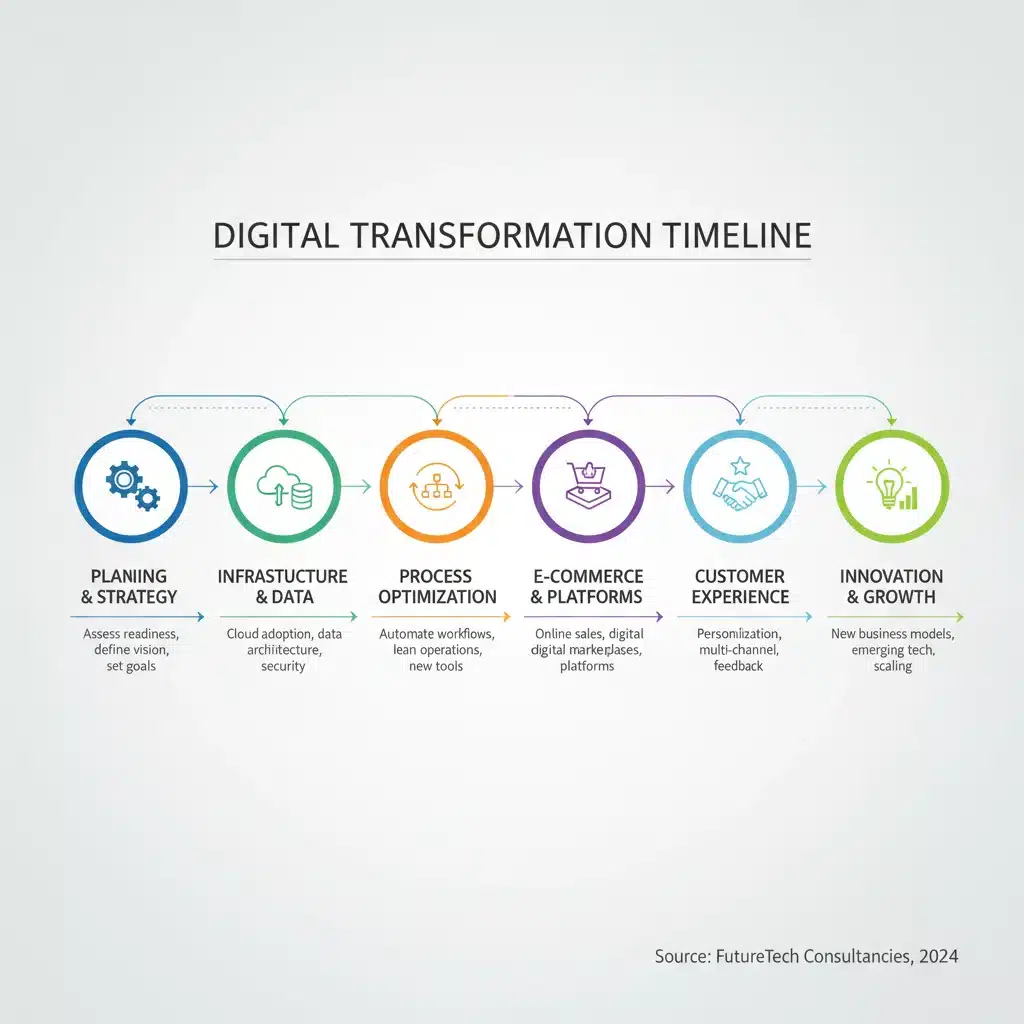
The fashion industry is in a constant state of flux, driven by evolving consumer expectations, technological advancements, and global market dynamics. For Small and Medium-sized Enterprises (SMEs) in the US fashion sector, embracing digital transformation isn’t merely an option; it’s a strategic imperative for survival and growth. As we look towards 2026, the landscape will be even more competitive, demanding agility, innovation, and a deep understanding of digital tools. This comprehensive guide outlines a 6-month implementation plan for US fashion SMEs to navigate their digital transformation journey successfully, ensuring they are not just keeping pace but setting trends.
Anúncios
Many fashion SMEs often face unique challenges, including limited budgets, smaller teams, and a perception that digital transformation is only for large corporations. However, the truth is that scalable, cost-effective solutions exist that can significantly impact their bottom line, enhance customer engagement, and streamline operations. The key is a structured approach, clear objectives, and a commitment to continuous improvement. Our focus here is on actionable steps, broken down into manageable monthly phases, to make this seemingly daunting task achievable.
Understanding the current state of your business is the first critical step. Before embarking on any significant change, a thorough assessment of existing processes, technologies, and digital capabilities is essential. This foundational phase will inform every subsequent decision, ensuring that the digital transformation efforts are aligned with your business goals and address specific pain points. Without this initial clarity, even the most innovative technologies can fall short of their potential. Let’s delve into how US fashion SMEs can strategically approach their fashion digital transformation.
Anúncios
The Imperative of Digital Transformation for Fashion SMEs
In today’s hyper-connected world, consumers expect seamless, personalized, and engaging experiences across all touchpoints. For fashion SMEs, this means moving beyond traditional brick-and-mortar models and embracing a holistic digital strategy. The benefits of fashion digital transformation are manifold: increased operational efficiency, enhanced customer insights, broader market reach, improved supply chain visibility, and ultimately, sustained competitive advantage. Ignoring this shift risks obsolescence in a rapidly evolving market.
Consider the rise of e-commerce, social commerce, and direct-to-consumer (DTC) models. These aren’t just trends; they are fundamental shifts in how fashion businesses operate and interact with their customers. SMEs that can adapt quickly and leverage these channels effectively will be the ones that thrive. Moreover, digital tools offer unprecedented opportunities for data collection and analysis, allowing businesses to understand their customers better, predict trends, and optimize inventory – areas where smaller businesses traditionally struggled due to resource constraints.
The year 2026 will see an even greater emphasis on sustainability, ethical sourcing, and transparency. Digital technologies, such as blockchain for supply chain tracking and AI for demand forecasting, can play a crucial role in helping fashion SMEs meet these growing consumer demands and regulatory pressures. By integrating these technologies, SMEs can build trust, enhance their brand reputation, and attract a new generation of conscious consumers. The journey of fashion digital transformation is not just about technology; it’s about reimagining the entire business model to be more resilient, responsive, and customer-centric.
Month 1: Assessment and Strategy Formulation
The first month of your digital transformation journey is dedicated to laying a solid foundation. This involves a thorough assessment of your current state and the formulation of a clear, actionable strategy. Without this crucial planning phase, subsequent efforts risk being disjointed and inefficient.
Current State Analysis: Where Are You Now?
- Technology Audit: Document all existing hardware, software, and digital tools. Identify what’s working, what’s outdated, and what gaps exist. This includes everything from your POS system to your social media management tools.
- Process Mapping: Analyze key business processes, including design, production, inventory management, marketing, sales, and customer service. Identify bottlenecks, manual tasks, and areas ripe for automation or improvement through digital solutions.
- Customer Journey Mapping: Understand how your customers interact with your brand across all touchpoints, both online and offline. Pinpoint pain points and opportunities to enhance their experience digitally.
- Competitive Analysis: Research how your competitors (especially those excelling digitally) are leveraging technology. What can you learn from their successes and failures?
- Team Capabilities Assessment: Evaluate your team’s current digital literacy and skills. Identify training needs and potential roles for internal champions of digital change.
Defining Your Digital Vision and Goals
Based on your assessment, articulate a clear digital vision for your fashion SME. What do you want to achieve through digital transformation? Set SMART (Specific, Measurable, Achievable, Relevant, Time-bound) goals. Examples include:
- Increase online sales by 30% within 12 months.
- Reduce inventory holding costs by 15% through improved forecasting.
- Enhance customer satisfaction scores by 20% through personalized digital interactions.
- Improve supply chain transparency by implementing a tracking system.
Budget Allocation and Resource Planning
Digital transformation doesn’t have to break the bank. Start by allocating a realistic budget, considering both initial investments and ongoing maintenance. Identify internal resources that can be dedicated to the project and determine if external expertise (consultants, agencies) will be required. This foundational planning for fashion digital transformation is paramount.
Month 2: E-commerce Enhancement and Digital Presence Optimization
With a clear strategy in place, month two focuses on strengthening your core digital storefront and optimizing your online presence. For many fashion SMEs, their e-commerce platform is the heart of their digital operations.
E-commerce Platform Evaluation and Upgrade
If you don’t have an e-commerce platform, now is the time to select one (e.g., Shopify, WooCommerce, Magento). If you do, assess its current performance. Is it mobile-responsive? Is the user experience intuitive? Does it integrate with other tools? Consider:
- Mobile-First Design: Ensure your website is fully optimized for mobile devices, as a significant portion of fashion browsing and purchasing happens on smartphones.
- High-Quality Product Imagery and Video: Invest in professional photography and consider 360-degree views or short product videos to enhance the online shopping experience.
- Personalization Features: Implement basic personalization, such as recommended products based on browsing history or past purchases.
- Seamless Checkout Process: Minimize friction in the checkout flow to reduce cart abandonment rates. Offer multiple payment options.
Search Engine Optimization (SEO) and Content Strategy
Visibility is key online. Implement foundational SEO practices to ensure your products and brand are discoverable. This includes:
- Keyword Research: Identify relevant keywords for your products and brand.
- On-Page SEO: Optimize product descriptions, meta titles, and meta descriptions.
- Technical SEO Basics: Ensure fast loading times, a secure website (HTTPS), and a clear site structure.
- Content Marketing: Start a blog with articles related to fashion trends, styling tips, or behind-the-scenes content to attract organic traffic and establish thought leadership. This supports your overall fashion digital transformation efforts.
Social Media Strategy Refinement
Social media is a powerful tool for fashion brands. Refine your strategy to:
- Choose the Right Platforms: Focus on platforms where your target audience is most active (e.g., Instagram, TikTok, Pinterest).
- Engaging Content: Post high-quality visuals, videos, and interactive content.
- Social Commerce Integration: Explore features like shoppable posts and in-app checkout to convert followers into customers directly.
- Influencer Collaborations: Identify relevant micro-influencers who align with your brand values to reach new audiences authentically.
Month 3: Data Analytics and Customer Relationship Management (CRM)
Month three shifts focus to understanding your customers better and managing those relationships effectively through data and CRM systems.
Implementing Data Analytics Tools
Data is the fuel for effective digital transformation. Integrate tools like Google Analytics to track website traffic, user behavior, and conversion rates. Key metrics to monitor include:
- Website traffic sources and demographics.
- Bounce rate and time on site.
- Conversion rates (purchases, sign-ups).
- Popular products and pages.
Beyond website analytics, consider tools that provide insights into social media engagement and email campaign performance. The goal is to move from guesswork to data-driven decision-making in your fashion digital transformation.
CRM System Adoption
A Customer Relationship Management (CRM) system is crucial for managing customer interactions and data. For SMEs, cloud-based, affordable CRMs (e.g., HubSpot CRM, Zoho CRM) can be highly effective. Implement a CRM to:
- Centralize Customer Data: Store contact information, purchase history, communication logs, and preferences in one place.
- Personalize Communications: Use CRM data to segment customers and tailor marketing messages, offers, and promotions.
- Improve Customer Service: Empower your customer service team with a 360-degree view of each customer, enabling faster and more personalized support.
- Track Sales Funnel: Monitor customer journeys from initial contact to post-purchase engagement.
Email Marketing Automation
Leverage your CRM and data insights to implement automated email marketing campaigns. This can include:
- Welcome series for new subscribers.
- Abandoned cart reminders.
- Post-purchase follow-ups and review requests.
- Birthday or anniversary special offers.
- Segmented campaigns based on purchase history or browsing behavior.
Month 4: Supply Chain Digitization and Inventory Optimization
The fourth month focuses on leveraging digital tools to enhance efficiency and transparency within your supply chain and optimize inventory management – critical areas for any fashion SME.
Digitalizing Supply Chain Processes
Manual supply chain processes are prone to errors and inefficiencies. Introduce digital solutions to streamline operations:
- Supplier Relationship Management (SRM) Software: Manage supplier information, contracts, and performance digitally.
- Cloud-Based Collaboration Platforms: Facilitate real-time communication and document sharing with manufacturers, logistics partners, and designers.
- Track and Trace Technologies: Explore simple, scalable solutions for tracking goods from production to delivery. This can involve QR codes, RFID tags (for higher-value items), or integrated logistics software. This enhances transparency, a growing demand in fashion digital transformation.
Advanced Inventory Management Systems
Efficient inventory management is crucial for profitability. Digital tools can help reduce overstocking, minimize stockouts, and improve cash flow:
- Integrated Inventory Management Software: Connects with your e-commerce platform and POS system to provide real-time inventory updates across all channels.
- Demand Forecasting Tools: Utilize historical sales data, seasonal trends, and even external factors (e.g., social media buzz) to predict future demand more accurately. This can be integrated into your inventory software.
- Automated Reordering: Set up automated alerts or reorder points to ensure popular items are always in stock without excessive inventory.
Exploring Sustainable Digital Practices
Digital transformation also offers opportunities for more sustainable practices. Consider:
- Digital Product Passports: Using blockchain or other digital ledger technologies to track the origin, materials, and journey of garments, providing transparency to consumers.
- Waste Reduction: Better demand forecasting and inventory management directly lead to less textile waste.
- Virtual Prototyping: Reducing the need for physical samples in the design phase, saving materials and shipping costs.
Month 5: Customer Experience Innovation and Emerging Technologies
In month five, the focus shifts to creating innovative customer experiences and exploring cutting-edge technologies that can set your fashion SME apart.
Personalization at Scale
Beyond basic recommendations, leverage AI and machine learning to offer highly personalized experiences:
- AI-Powered Product Recommendations: Sophisticated algorithms can suggest products based on a broader range of data, including style preferences, body type, and even social media activity.
- Personalized Marketing Messages: Tailor content, offers, and even website layouts to individual customer segments.
- Virtual Stylists/Chatbots: Implement AI-powered chatbots to answer customer queries, provide styling advice, and guide them through their shopping journey 24/7. This elevates the fashion digital transformation experience.
Augmented Reality (AR) and Virtual Reality (VR) Experiences
AR and VR are no longer just for large brands. Scalable solutions are becoming available for SMEs:
- AR Try-On Features: Allow customers to virtually ‘try on’ clothing or accessories using their smartphone cameras, reducing returns and enhancing confidence in purchases.
- Virtual Showrooms: Create immersive virtual spaces where customers can browse collections, interact with products, and even attend virtual fashion shows.

Voice Commerce Integration
As voice assistants become more prevalent, consider optimizing your e-commerce for voice search and even enabling voice-activated purchasing. This is a nascent but growing channel to consider for future fashion digital transformation.
Month 6: Performance Review, Iteration, and Future Planning
The final month of the initial 6-month plan is crucial for reviewing progress, making necessary adjustments, and planning for the continuous evolution of your digital strategy.
Performance Review and KPI Analysis
Gather all the data collected over the past five months and conduct a thorough performance review. Compare actual results against the SMART goals set in Month 1. Key Performance Indicators (KPIs) to analyze include:
- Sales Growth (online and overall).
- Website Traffic and Conversion Rates.
- Customer Acquisition Cost (CAC) and Customer Lifetime Value (CLTV).
- Inventory Turnover Rate and Stockout Frequency.
- Customer Satisfaction (e.g., Net Promoter Score – NPS).
- Social Media Engagement and Reach.
Identify what worked well, what didn’t, and why. Celebrate successes and learn from challenges.
Feedback Collection and Iteration
Actively solicit feedback from your team and, most importantly, from your customers. Use surveys, focus groups, and direct interactions to understand their experience with the new digital initiatives. This feedback is invaluable for iterative improvements:
- A/B Testing: Continuously test different versions of website elements, marketing messages, and product presentations to optimize performance.
- User Experience (UX) Enhancements: Based on feedback, make ongoing improvements to your website and app interfaces.
Training and Upskilling Your Team
Digital transformation is an ongoing process that requires a skilled workforce. Invest in continuous training and upskilling for your team to ensure they can effectively utilize new tools and adapt to evolving digital trends. Foster a culture of learning and innovation.
Roadmap for Continuous Digital Evolution
Digital transformation is not a one-time project; it’s a continuous journey. Based on your review, develop a roadmap for the next 6-12 months. This might include exploring new technologies (e.g., blockchain for transparency, advanced AI for design), expanding into new digital channels, or further optimizing existing processes. Stay abreast of emerging trends in fashion digital transformation and be prepared to adapt.
Challenges and Mitigation Strategies for Fashion SMEs
While the benefits of digital transformation are clear, fashion SMEs will inevitably face challenges. Anticipating these and having mitigation strategies in place is vital for success.
Budget Constraints
Challenge: Limited financial resources can make investing in new technologies seem daunting.
Mitigation: Prioritize initiatives with the highest ROI. Start with scalable, cloud-based solutions that offer subscription models rather than large upfront investments. Explore grants or government programs aimed at SME digital adoption. Consider phased rollouts to spread costs over time.
Lack of Internal Expertise
Challenge: Small teams may lack the specialized skills required for digital implementation.
Mitigation: Invest in targeted training for existing staff. Hire external consultants for specific projects or for initial setup. Utilize freelancers for specialized tasks like advanced SEO or data analysis. Focus on user-friendly platforms that require less technical expertise to manage.
Resistance to Change
Challenge: Employees may be hesitant to adopt new processes and technologies.
Mitigation: Foster a culture of open communication. Clearly articulate the benefits of digital transformation for both the company and individual roles. Involve employees in the planning process. Provide comprehensive training and ongoing support. Identify and empower ‘digital champions’ within your team.
Data Security and Privacy Concerns
Challenge: Protecting customer data and ensuring compliance with regulations (e.g., GDPR, CCPA) is paramount.
Mitigation: Choose reputable technology vendors with strong security protocols. Implement robust data encryption. Train employees on data privacy best practices. Consult with legal experts to ensure compliance with relevant data protection laws. This is a critical component of any fashion digital transformation.
Integration Complexities
Challenge: Integrating new systems with existing legacy systems can be complex and costly.
Mitigation: Opt for platforms designed for easy integration (APIs). Plan integration carefully, starting with critical systems. Consider middleware solutions if direct integration is too challenging. Gradually replace legacy systems rather than attempting a ‘big bang’ overhaul.
Conclusion: Embracing the Future of Fashion with Digital Transformation
The journey of fashion digital transformation for US SMEs in 2026 is an exciting and necessary one. By following this 6-month strategic plan, businesses can systematically integrate digital technologies to enhance efficiency, innovate customer experiences, and achieve sustainable growth. It’s not about adopting every new technology, but rather strategically selecting and implementing solutions that align with your business goals and customer needs.
Remember, digital transformation is a marathon, not a sprint. It requires commitment, adaptability, and a willingness to learn and iterate. By embracing this mindset, US fashion SMEs can not only overcome the challenges of a dynamic market but also emerge as leaders, ready to captivate the next generation of consumers and set new benchmarks for innovation in the industry. The future of fashion is digital, and with a well-executed plan, your SME can be at the forefront of this exciting evolution.