Future of Fashion Education: Online vs. Traditional Programs in 2026
Anúncios
The landscape of education is constantly evolving, and perhaps no sector feels this shift more acutely than the creative industries, particularly fashion. As we look towards 2026, aspiring fashion professionals in the United States face a pivotal decision: pursue a fashion education online or opt for the traditional brick-and-mortar institution? This comprehensive guide delves into the nuances of both approaches, examining their benefits, challenges, and suitability for different career paths within the dynamic US fashion industry.
Anúncios
The future of fashion education is not merely about adapting to new technologies; it’s about redefining how creativity, business acumen, and practical skills are imparted. The industry itself is undergoing a profound transformation, driven by sustainability concerns, technological advancements like AI and 3D design, and a globalized, digitally-native consumer base. Consequently, the educational pathways must mirror these changes, preparing graduates not just for existing roles, but for a future that is still being written.
Understanding the current and projected state of the fashion education future requires a holistic view. Factors such as accessibility, cost, curriculum relevance, networking opportunities, and practical experience all play crucial roles in determining the efficacy of an educational program. This article aims to provide a balanced perspective, empowering prospective students to make informed decisions that align with their personal aspirations and the demands of the evolving fashion world.
Anúncios
The Shifting Sands: Why the Fashion Education Future is Hybrid
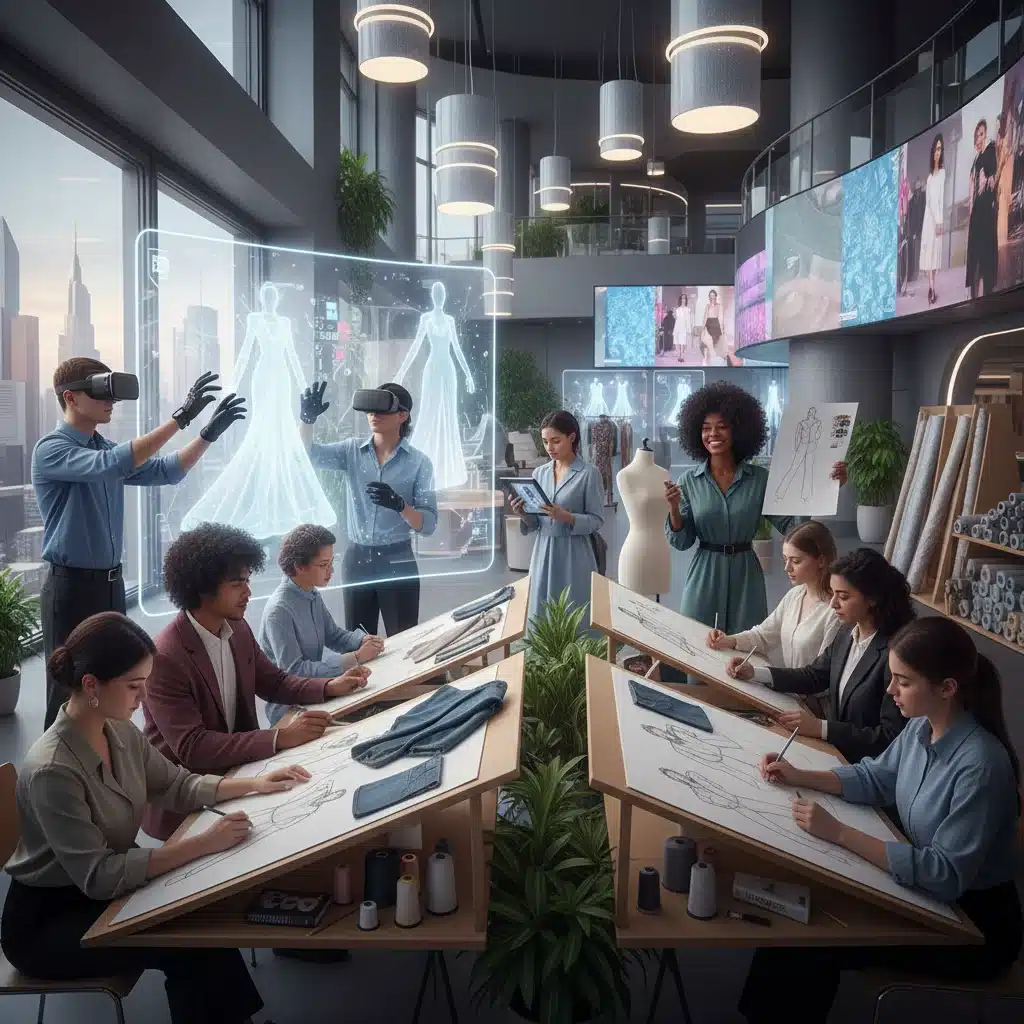
For decades, the traditional fashion school model reigned supreme. Prestigious institutions like Parsons, FIT, and RISD were the undeniable gateways to the industry, offering immersive experiences, state-of-the-art facilities, and unparalleled networking opportunities. However, the advent of sophisticated online learning platforms, accelerated by global events, has democratized access to education, challenging the long-held dominance of traditional models. The fashion education future is increasingly pointing towards a hybrid model, where the best of both worlds are integrated.
This hybrid approach acknowledges that certain aspects of fashion education, such as hands-on pattern making, draping, and textile manipulation, benefit immensely from in-person instruction and access to specialized equipment. Conversely, theoretical subjects, trend forecasting, digital marketing, and even 3D garment design can be effectively taught and learned remotely, offering flexibility and broader accessibility. This blend allows for a more personalized and adaptable learning journey, catering to diverse learning styles and life circumstances.
Moreover, the industry itself operates on a global scale, with collaborations often spanning continents. Graduates who are adept at both in-person teamwork and virtual collaboration will be exceptionally well-prepared for the modern fashion workplace. The hybrid model intrinsically fosters these dual competencies, making it a highly relevant pathway for future fashion leaders. The emphasis is no longer solely on where you learn, but how effectively you can apply that learning in a multifaceted, often remote, professional environment.
Key Trends Shaping Fashion Education Future in 2026
Several significant trends are influencing the trajectory of fashion education future:
- Sustainability and Ethical Practices: With growing consumer awareness, sustainable design, ethical sourcing, and circular economy principles are no longer niche topics but core components of any reputable fashion curriculum. Both online and traditional programs are integrating these themes, often through dedicated modules, certifications, and project-based learning.
- Digital Transformation: From 3D garment design software (e.g., CLO3D, Browzwear) to AI-powered trend forecasting and virtual showrooms, digital tools are indispensable. Education must provide robust training in these areas, ensuring graduates are proficient in the latest technologies.
- Personalization and Customization: The rise of made-to-order and personalized fashion means that designers need to understand mass customization techniques and digital manufacturing processes.
- E-commerce and Digital Marketing: A strong understanding of online retail strategies, social media marketing, and brand storytelling is crucial for success in the modern fashion landscape.
- Interdisciplinary Approaches: Fashion is increasingly intersecting with other fields like technology, data science, and even psychology. Programs that offer interdisciplinary studies or allow for cross-enrollment will produce more versatile graduates.
- Global Perspective: Understanding diverse markets, cultural influences, and international supply chains is vital. Many programs now offer international collaborations, study abroad options, or virtual exchange programs.
Online Fashion Education: Flexibility and Accessibility
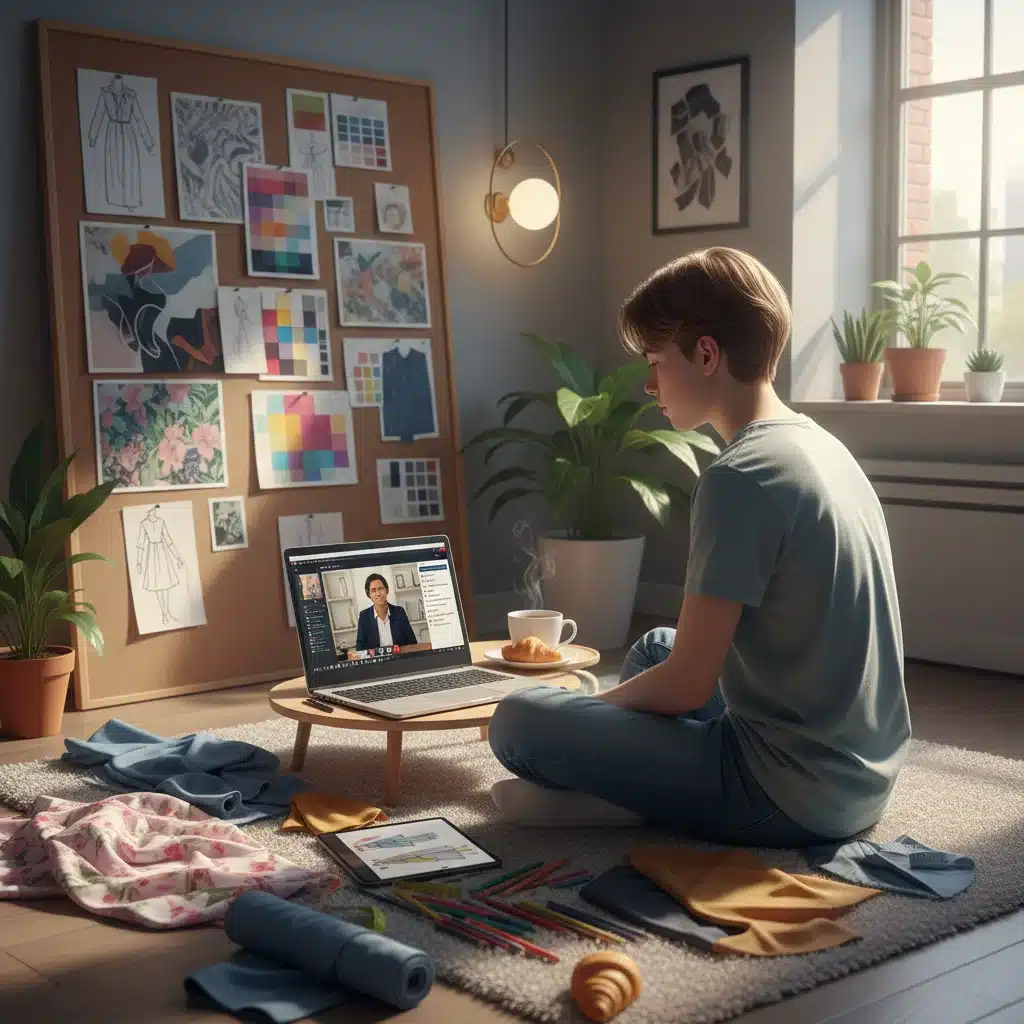
Online fashion education has surged in popularity, offering unparalleled flexibility and accessibility. For many, it’s a game-changer, breaking down geographical and financial barriers that traditionally limited entry into the fashion world. The convenience of learning from anywhere, at any time, often at a lower cost than traditional programs, makes it an attractive option for a diverse range of learners, from recent high school graduates to career changers and industry professionals seeking to upskill.
One of the primary benefits of online programs is their ability to cater to different learning paces. Self-paced modules allow students to delve deeper into topics they find challenging or move quickly through familiar material. This flexibility is particularly valuable for those balancing education with work, family commitments, or other responsibilities. Furthermore, online platforms often provide a wealth of digital resources, including virtual libraries, industry software tutorials, and recorded lectures, which can be revisited as needed.
The curriculum in online fashion programs has also matured significantly. What once might have been limited to theoretical courses now includes practical, project-based learning facilitated by advanced software and interactive tools. Students can learn 3D design, digital pattern making, and virtual prototyping, skills that are highly sought after in the modern fashion industry. Many online programs also leverage virtual critiques and collaborative digital workspaces to foster interaction and feedback among students and instructors, mimicking aspects of a physical studio environment.
Advantages of Online Fashion Programs
- Flexibility: Learn at your own pace, from any location, fitting education around personal and professional commitments. This is a huge draw for the fashion education future.
- Accessibility: Opens doors to prestigious institutions or specialized courses that might be geographically out of reach.
- Cost-Effectiveness: Often significantly cheaper than traditional programs, reducing tuition fees, living expenses, and commuting costs.
- Diverse Learning Tools: Access to a wide array of digital resources, software, and online communities.
- Skill Specialization: Many online platforms offer highly specialized courses or micro-credentials in niche areas like sustainable fashion, digital textile design, or fashion tech, allowing students to tailor their learning precisely to their career goals.
- Global Networking: Opportunities to connect with peers and instructors from around the world, fostering a global perspective.
Challenges of Online Fashion Programs
- Lack of Hands-on Experience: While digital tools are advanced, the tactile experience of working with fabrics, draping, and using industrial machinery can be limited.
- Networking Limitations: Organic, in-person networking opportunities with industry professionals, guest lecturers, and peers may be less frequent.
- Self-Discipline Required: Success in online learning heavily relies on self-motivation, time management, and independent study habits.
- Technical Requirements: Reliable internet access and appropriate hardware/software are essential, which can be a barrier for some.
- Perception: While improving, some employers might still perceive online degrees as less rigorous than traditional ones, though this is rapidly changing.
Traditional Fashion Schools: Immersive Experience and Industry Connections
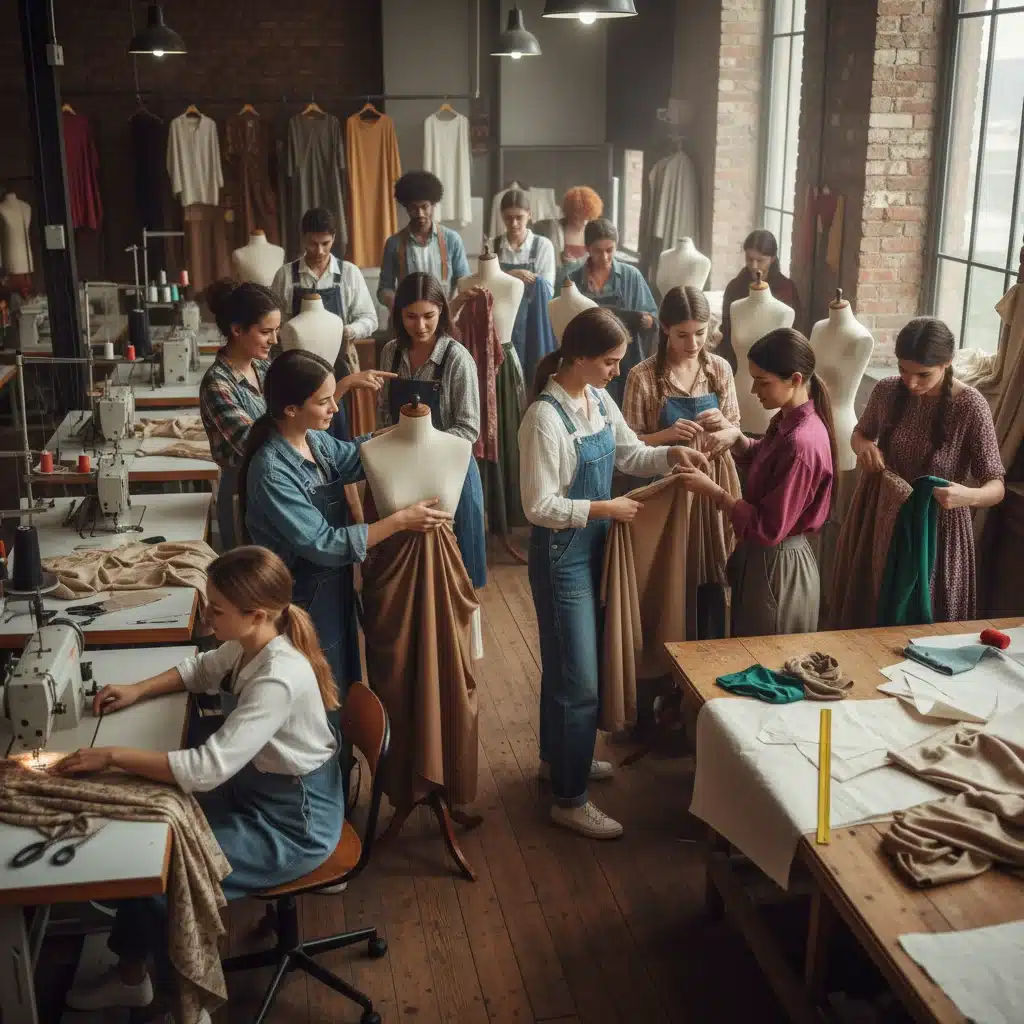
Traditional fashion schools continue to be a cornerstone of fashion education future, offering an immersive, comprehensive, and often highly competitive learning environment. These institutions are renowned for their rigorous curricula, experienced faculty, and strong ties to the fashion industry. For students who thrive in structured environments and value direct, in-person interaction, traditional schools present a compelling pathway.
One of the most significant advantages of traditional programs is the access to state-of-the-art facilities. These often include fully equipped design studios, textile labs, photography studios, and manufacturing workshops. Students gain invaluable hands-on experience with industrial sewing machines, knitting machines, 3D printers, and specialized software, under the direct guidance of expert instructors. This practical, tactile learning is crucial for developing a deep understanding of garment construction, material properties, and production processes.
Moreover, traditional schools excel in fostering a vibrant creative community. Students are surrounded by like-minded peers, engaging in collaborative projects, critiques, and extracurricular activities that stimulate creativity and build lasting professional relationships. The faculty often comprises seasoned industry veterans who bring real-world experience and connections directly into the classroom. These connections are invaluable for internships, mentorships, and ultimately, job placement.
Advantages of Traditional Fashion Programs
- Hands-on Learning: Direct access to workshops, labs, and specialized equipment for practical skill development.
- Immersive Environment: A dedicated creative space that fosters collaboration, inspiration, and peer learning.
- Direct Industry Connections: Strong alumni networks, career services, guest lecturers, and internship opportunities facilitated by the institution’s reputation and relationships. This is a crucial element for the fashion education future.
- Structured Curriculum: A clear, often sequential learning path with dedicated faculty support.
- In-Person Mentorship: Direct feedback and personalized guidance from experienced professors and industry mentors.
- Portfolio Development: Often includes structured guidance for building a professional portfolio, culminating in a senior thesis or runway show.
Challenges of Traditional Fashion Programs
- High Cost: Tuition fees, living expenses in major fashion cities, and material costs can be substantial, leading to significant student debt.
- Geographical Limitations: Requires relocation for many students, which can be costly and disruptive.
- Less Flexibility: Fixed schedules and attendance requirements can be challenging for those with other commitments.
- Pace of Learning: The fixed pace might not suit all learning styles, potentially leaving some students behind or holding others back.
- Competition: Admission to top-tier traditional schools can be highly competitive, and the internal environment can also be very demanding.
Comparing Online vs. Traditional for US Career Growth in 2026
When evaluating online versus traditional fashion education for US career growth in 2026, it’s essential to consider the specific career path an individual wishes to pursue, as well as their personal learning style and financial situation. The fashion education future is diverse, and so are the paths to success.
For Aspiring Designers (Apparel, Textile, Accessory)
For those aiming to become hands-on designers, particularly in roles requiring extensive prototyping, pattern making, and material manipulation, traditional programs often offer a more robust foundation. The direct access to studios, machines, and expert guidance in draping and construction can be invaluable. However, online programs that incorporate strong 3D design software training (e.g., CLO3D) are increasingly viable, especially for digital-first brands or those focusing on virtual fashion. A hybrid approach, perhaps starting with online theory and then attending short, intensive in-person workshops, could be ideal.
For Fashion Business and Marketing Roles
For roles in fashion marketing, merchandising, retail management, e-commerce, and public relations, online programs can be exceptionally effective. These roles often rely heavily on analytical skills, digital proficiency, and strategic thinking, which are well-suited to online learning environments. Many online degrees in fashion business provide excellent training in data analytics, digital marketing tools, and supply chain management. Traditional programs also offer strong business curricula, often with the added benefit of guest speakers from industry leaders and direct recruitment events.
For Fashion Technology and Innovation
The burgeoning field of fashion technology, encompassing wearable tech, smart textiles, and AI in fashion, is ripe for both online and traditional education. Online courses can provide foundational knowledge in coding, data science, and specialized software. Traditional institutions, particularly those with strong engineering or computer science departments, might offer interdisciplinary programs that combine fashion with tech, providing access to advanced labs and research opportunities. The fashion education future is heavily intertwined with technological advancements.
For Sustainability and Ethical Fashion
As sustainability becomes non-negotiable, both online and traditional programs are developing specialized curricula. Online courses offer quick access to certifications and deep dives into specific areas like sustainable supply chains or ethical manufacturing. Traditional schools might provide more comprehensive research opportunities and hands-on projects with sustainable materials and processes, often collaborating directly with ethical brands or NGOs.
Making the Right Choice: Factors to Consider
Navigating the options for your fashion education future requires careful consideration of several factors:
1. Learning Style
- Independent Learner: If you are self-motivated, disciplined, and comfortable with technology, online learning might be a great fit.
- Collaborative Learner: If you thrive on in-person interaction, group projects, and direct mentorship, a traditional setting may be more beneficial.
2. Financial Considerations
- Budget: Online programs are generally more affordable. Factor in tuition, living expenses, materials, and potential student loan interest for both options.
- Scholarships and Aid: Research available financial aid for both online and traditional programs. Many institutions offer scholarships specifically for fashion students.
3. Career Goals
- Specific Roles: Research job descriptions for your desired roles. Do they emphasize hands-on technical skills or digital proficiency?
- Industry Connections: Evaluate how each program facilitates industry networking, internships, and job placement.
4. Program Accreditation and Reputation
- Accreditation: Ensure any program you consider, online or traditional, is accredited by a recognized body. This is crucial for degree recognition and financial aid eligibility.
- Alumni Success: Look at the career paths of graduates from both types of programs.
5. Curriculum and Technology
- Curriculum Depth: Compare course offerings. Does the program cover the latest industry trends and technologies relevant to your interests?
- Software and Tools: Does the program provide access or training in industry-standard software (e.g., Adobe Creative Suite, CLO3D, CAD programs)?
The Role of Continuing Education and Micro-credentials
Beyond degree programs, the fashion education future also heavily relies on continuing education, micro-credentials, and certifications. The rapid pace of change in the fashion industry means that lifelong learning is not just an advantage, but a necessity. Both online platforms and traditional institutions are increasingly offering shorter, focused courses to help professionals upskill or reskill in specific areas.
For example, a designer with a traditional degree might take an online certification in 3D garment design to enhance their digital capabilities. Conversely, someone who started with online marketing courses might attend an intensive in-person workshop on sustainable textile innovation. These flexible learning modules allow professionals to stay current with emerging technologies, sustainable practices, and evolving consumer demands without committing to another full degree program.
Platforms like Coursera, edX, and various industry-specific online academies offer a plethora of specialized courses. Traditional schools are also launching executive education programs or short courses designed for working professionals. This modular approach to learning is a definitive characteristic of the fashion education future, enabling adaptability and continuous professional development.
The Impact of AI and Automation on Fashion Careers and Education
Artificial Intelligence (AI) and automation are rapidly reshaping the fashion industry, influencing everything from trend forecasting and design to supply chain management and customer service. This technological revolution has profound implications for both fashion careers and the fashion education future.
AI-powered tools can analyze vast amounts of data to predict upcoming trends, optimize inventory, and even assist in generating initial design concepts. Automation in manufacturing can streamline production processes, reducing costs and increasing efficiency. While some fear job displacement, the more realistic outlook is a shift in required skills. Fashion professionals of the future will need to be adept at collaborating with AI, leveraging its capabilities to enhance their creativity and strategic decision-making.
Therefore, fashion education future curricula must integrate AI literacy. This means not just understanding what AI can do, but also how to effectively use AI tools in design, marketing, and business operations. Programs should focus on developing critical thinking, problem-solving, and creative innovation—skills that AI cannot easily replicate. Ethical considerations around AI, such as bias in algorithms and data privacy, will also become increasingly important topics within fashion education.
Both online and traditional programs are grappling with how to best incorporate AI into their offerings. Online platforms might be quicker to adapt with specialized modules, while traditional institutions could offer more in-depth research opportunities and interdisciplinary studies with computer science departments. Regardless of the format, proficiency in AI and automation tools will be a significant differentiator for fashion graduates in 2026 and beyond.
Conclusion: A Personalized Path in the Fashion Education Future
The fashion education future in 2026 is characterized by diversity, adaptability, and a strong emphasis on skills that meet the demands of a rapidly evolving industry. There is no single ‘best’ path; rather, the optimal choice depends on an individual’s unique circumstances, learning preferences, and career aspirations.
Online fashion education offers unparalleled flexibility, accessibility, and often cost-effectiveness, making it ideal for self-starters and those seeking specialized skills or balancing multiple commitments. Traditional fashion schools provide an immersive, hands-on experience with direct industry connections, state-of-the-art facilities, and a vibrant creative community, best suited for those who thrive in structured, in-person environments.
Ultimately, the most successful fashion professionals in 2026 will likely be those who embrace a blended learning approach, combining the strengths of both online and traditional methods. This could mean pursuing a traditional degree and supplementing it with online certifications in emerging technologies, or vice versa. Lifelong learning, adaptability, and a proactive engagement with industry trends will be paramount.
As you consider your options, thoroughly research programs, speak to alumni, and reflect on what kind of learning environment will best foster your creativity, critical thinking, and professional growth. The US fashion industry is dynamic and full of opportunities, and with the right educational foundation, you can carve out a successful and impactful career in this exciting field. The fashion education future is yours to shape.
Further Reading and Resources:
- Latest Fashion Industry Reports
- Sustainable Fashion Organizations and Initiatives
- Fashion Technology Innovations and Startups
- Leading Online Course Platforms for Creative Industries