2026 US Consumer Spending Shifts: Fashion Industry Insights
Anúncios
Projected 2026 Consumer Spending Shifts: What US Fashion Businesses Need to Know
The landscape of consumer behavior is in perpetual motion, a dynamic force shaped by technological advancements, evolving societal values, and unforeseen global events. For US fashion businesses, understanding and anticipating these shifts is not merely an advantage but a necessity for survival and growth. As we cast our gaze towards 2026, several key trends are emerging that will profoundly influence consumer spending habits, particularly within the fashion sector. This comprehensive analysis aims to equip fashion businesses with the insights needed to navigate these changes, adapt their strategies, and thrive in an increasingly complex market. The core focus here is on understanding and leveraging these fashion consumer shifts to maintain relevance and drive profitability.
Anúncios
The Macroeconomic Backdrop: Influencing 2026 Consumer Spending
Before delving into specific fashion trends, it’s crucial to acknowledge the broader economic forces that will shape overall consumer spending. Inflationary pressures, interest rate fluctuations, and global supply chain stability will continue to play significant roles. While the US economy is generally resilient, consumers are becoming more discerning with their disposable income. This means fashion businesses must offer compelling value propositions, whether through price, quality, unique design, or a combination thereof. The era of mindless consumption is giving way to more thoughtful purchasing, where every dollar spent is scrutinized. This heightened awareness directly impacts fashion consumer shifts, pushing brands to be more transparent and justifiable in their offerings.
Inflation and Disposable Income
Even if inflation moderates, the cumulative effect of recent price increases means consumers will likely have less real disposable income than in previous years. This could lead to a bifurcation in the market: a segment of consumers opting for more affordable, durable fashion items, and another segment continuing to invest in high-quality, long-lasting luxury pieces. Mid-range fashion brands might face the toughest challenge, caught between these two poles. Strategies for these businesses could include emphasizing versatility, offering subscription models for clothing, or focusing on niche markets.
Geopolitical Stability and Consumer Confidence
Global geopolitical events can significantly impact consumer confidence. Uncertainty often leads to a tightening of purse strings, with consumers prioritizing essential goods over discretionary purchases like fashion. Fashion businesses need to build resilient supply chains and adaptable marketing strategies that can respond quickly to shifting consumer sentiment. Maintaining brand loyalty becomes paramount during periods of economic uncertainty, as consumers tend to stick with trusted names.
Anúncios
Key Fashion Consumer Shifts by 2026
Several major trends are accelerating and will reach critical mass by 2026, fundamentally altering how consumers interact with fashion. These shifts are not isolated but interconnected, creating a complex web of opportunities and challenges.
1. The Ascendancy of Sustainability and Ethical Production
The demand for sustainable and ethically produced fashion is no longer a niche concern; it is rapidly becoming a mainstream expectation. Consumers, particularly younger demographics, are increasingly aware of the environmental and social impact of their clothing choices. By 2026, transparency in the supply chain will be non-negotiable. Brands that can genuinely demonstrate their commitment to sustainability—from sourcing raw materials to manufacturing processes and end-of-life solutions—will gain a significant competitive edge.
- Circular Fashion Models: Expect a surge in demand for clothing rental, resale platforms, and repair services. Consumers want to extend the life of their garments and participate in a circular economy. Fashion businesses should explore partnerships or develop their own initiatives in these areas.
- Eco-Friendly Materials: Innovation in sustainable textiles (e.g., recycled, organic, bio-based fibers) will continue to accelerate. Brands that adopt these materials and communicate their benefits effectively will resonate with environmentally conscious consumers.
- Ethical Labor Practices: Consumers are scrutinizing brands’ labor practices more closely. Fair wages, safe working conditions, and transparent reporting on social impact will be crucial for maintaining brand reputation and attracting a socially aware customer base.
2. Personalization and Hyper-Customization
Mass-produced fashion is losing its appeal as consumers seek unique expressions of their individuality. By 2026, personalization will move beyond simple monograms to encompass bespoke designs, made-to-order garments, and AI-driven recommendations that truly understand individual style preferences.
- AI-Powered Styling: Artificial intelligence will play a larger role in helping consumers discover new styles, find perfect fits, and even design their own clothing. Fashion businesses should invest in AI tools to enhance the customer experience.
- Made-to-Order and On-Demand Production: This model reduces waste and allows for greater customization. As technology improves, on-demand manufacturing could become more scalable and cost-effective, directly influencing fashion consumer shifts towards unique items.
- Virtual Try-On and Avatar Customization: Augmented Reality (AR) and Virtual Reality (VR) will make virtual try-on experiences more sophisticated and accessible, bridging the gap between online shopping and the desire to see how garments look and fit.
3. The Blurring Lines: Phygital Retail Experiences
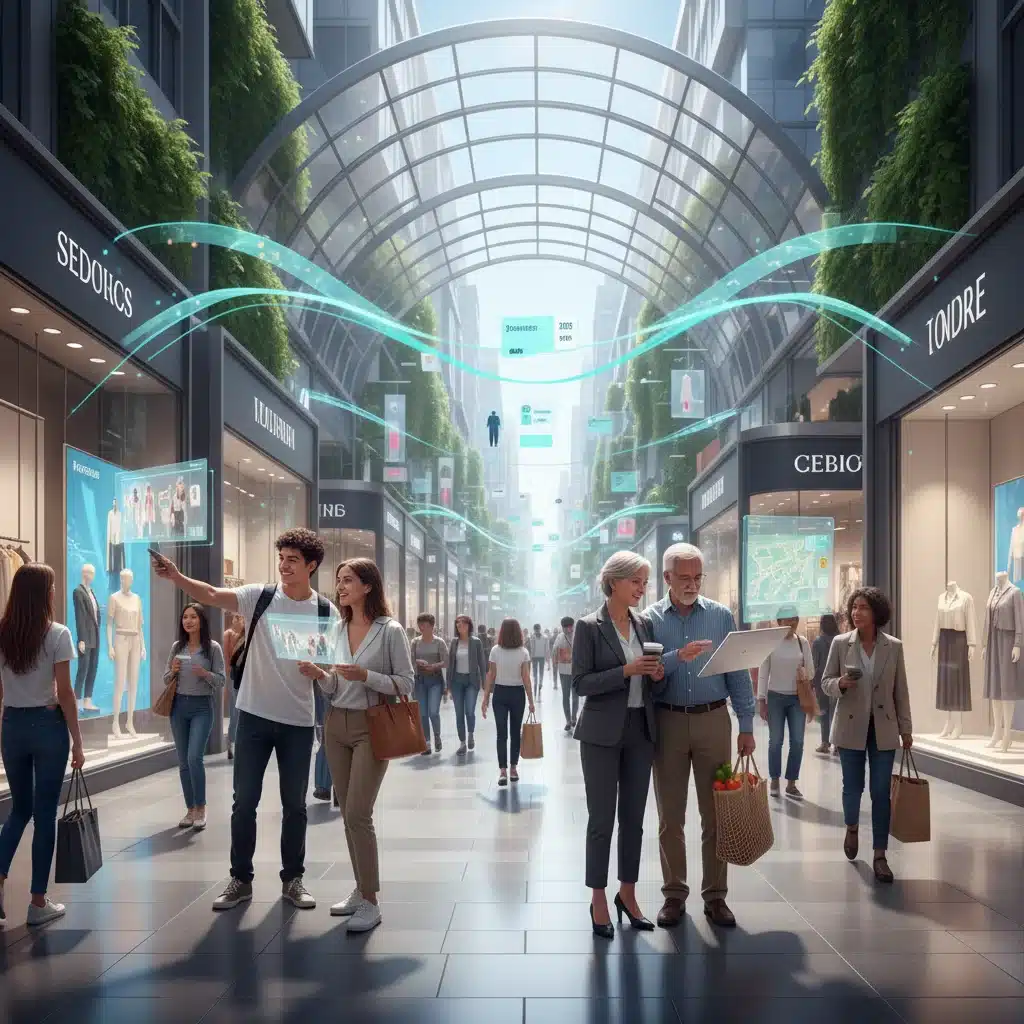
The distinction between online and offline shopping will continue to blur, giving rise to ‘phygital’ experiences that seamlessly integrate the best of both worlds. Consumers expect convenience, immersive engagement, and consistent brand messaging across all touchpoints.
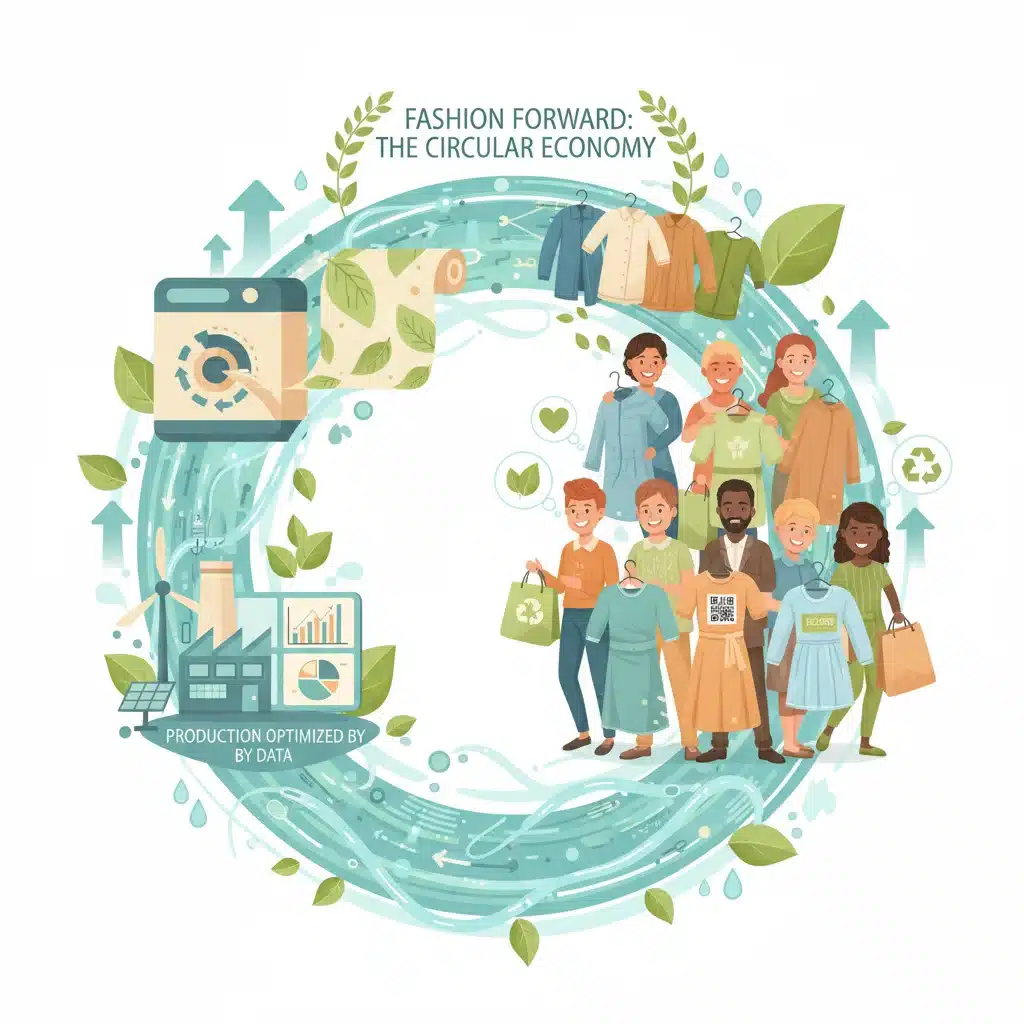
- Experiential Retail Spaces: Physical stores will transform into brand hubs offering more than just products. Think workshops, styling sessions, cafes, and interactive displays that provide a unique brand experience.
- Seamless Omnichannel Journeys: Consumers expect to start their shopping journey online, continue in-store, and complete it on their mobile device without friction. Inventory synchronization, click-and-collect options, and in-store returns for online purchases will be standard.
- Live Shopping and Social Commerce: The integration of shopping within social media platforms and live-streamed events will continue to grow, leveraging influencer marketing and real-time engagement to drive sales.
4. Comfort and Versatility Reign Supreme
The shift towards more casual lifestyles, accelerated by remote work trends, has solidified the demand for comfort and versatility in fashion. By 2026, consumers will continue to prioritize clothing that can transition effortlessly between different settings – from home to office to social gatherings.
- Athleisure Evolution: Athleisure wear will continue to evolve, incorporating more sophisticated designs and sustainable materials, blurring the lines between activewear and everyday clothing.
- Modular Wardrobes: The concept of a versatile, minimalist wardrobe with interchangeable pieces will gain traction. Consumers will seek quality over quantity, investing in items that can be styled in multiple ways.
- Adaptive Fashion: There will be increased demand for adaptive clothing that caters to a wider range of body types and abilities, reflecting a broader societal push for inclusivity.
5. Digital Fashion and the Metaverse
While still nascent, digital fashion and its integration into virtual worlds (the metaverse) represent a significant long-term fashion consumer shift. By 2026, we can expect to see more experimentation and early adoption in this space.
- NFTs and Digital Collectibles: Fashion brands will increasingly explore Non-Fungible Tokens (NFTs) for digital clothing, exclusive access, or as a verifiable certificate of authenticity for physical items.
- Virtual Avatars and Wearables: Consumers will dress their digital avatars in branded clothing, creating new revenue streams and marketing opportunities for fashion companies.
- Gaming and Fashion: The intersection of gaming and fashion will deepen, with brands collaborating on in-game skins and virtual experiences that blend entertainment with commerce.
Strategic Implications for US Fashion Businesses
Given these projected fashion consumer shifts, what concrete steps should US fashion businesses take to prepare for 2026 and beyond?
1. Invest in Data Analytics and AI
Understanding consumer preferences, predicting trends, and personalizing experiences will be impossible without robust data analytics and AI capabilities. Businesses need to collect, analyze, and act on data to stay ahead.
- Predictive Analytics: Use AI to forecast demand, optimize inventory, and identify emerging trends.
- Personalized Marketing: Leverage data to deliver highly targeted marketing messages and product recommendations.
- Supply Chain Optimization: AI can help streamline supply chains, reduce waste, and improve efficiency.
2. Prioritize Sustainability and Transparency
Integrate sustainability into every aspect of your business model, from design and sourcing to production and packaging. Communicate your efforts transparently to build trust and appeal to conscious consumers.
- Certifications and Audits: Obtain relevant sustainability certifications and conduct regular audits of your supply chain.
- Storytelling: Share your sustainability journey with your customers, highlighting the positive impact of their purchases.
- Product Lifecycle Management: Design products for longevity, recyclability, and repairability.
3. Foster Community and Brand Engagement
In an increasingly digital world, consumers seek connection and belonging. Fashion brands that can build strong communities around shared values and experiences will foster loyalty.
- User-Generated Content: Encourage customers to share their style and experiences with your brand.
- Loyalty Programs: Develop programs that reward not just purchases, but also engagement and sustainable choices.
- Collaborations: Partner with influencers, artists, and other brands that align with your values to expand your reach and appeal.
4. Embrace Agile and Flexible Operations
The pace of change will only accelerate. Fashion businesses need to be agile in their operations, from design and production to marketing and distribution.
- Flexible Manufacturing: Explore on-demand or small-batch production to respond quickly to trends and reduce overproduction.
- Cross-Functional Teams: Encourage collaboration between design, marketing, and sales teams to ensure a unified vision and rapid execution.
- Continuous Innovation: Foster a culture of experimentation and continuous improvement, willing to test new technologies and business models.
5. Re-imagine the Retail Experience
Whether online or offline, every customer touchpoint should be designed to be engaging, convenient, and reflective of your brand’s values. The future of retail is about creating memorable experiences.
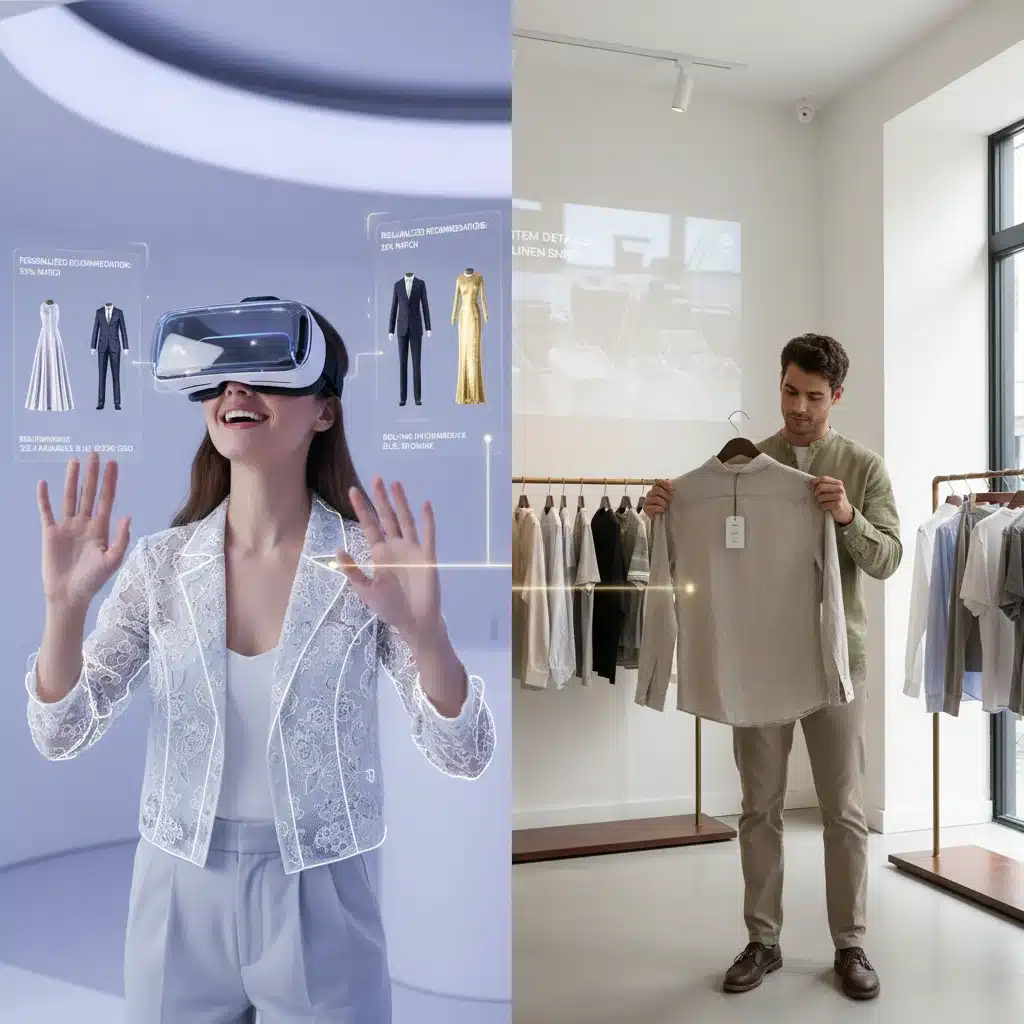
- Immersive Digital Platforms: Invest in high-quality e-commerce sites, mobile apps, and potentially metaverse experiences.
- Personalized In-Store Service: Empower sales associates with data and training to offer highly personalized styling advice.
- Technology Integration: Use smart mirrors, AR try-on, and interactive displays in physical stores to enhance the shopping journey.
The Role of Technology in Driving Fashion Consumer Shifts
Technology is not just an enabler; it’s a primary driver of these evolving consumer behaviors. From AI and machine learning to blockchain and virtual reality, these innovations are reshaping every facet of the fashion industry.
Artificial Intelligence and Machine Learning
AI will move beyond basic recommendations to offer sophisticated trend forecasting, inventory optimization, and hyper-personalized customer journeys. Imagine AI predicting not just what a consumer wants to buy, but what they will want to buy next season, based on their past purchases, social media activity, and even mood. This level of insight will be invaluable for fashion businesses navigating complex fashion consumer shifts.
Blockchain for Transparency and Authenticity
Blockchain technology offers a powerful solution for ensuring transparency and authenticity in the fashion supply chain. Consumers can trace the origin of materials, verify ethical production practices, and even confirm the authenticity of luxury goods, combating counterfeiting. This builds immense trust, a critical factor for the conscious consumer of 2026.
Augmented Reality (AR) and Virtual Reality (VR)
AR and VR will revolutionize the try-on experience, both online and in-store. Virtual try-on apps will become highly accurate, allowing consumers to see how clothes fit and look on their own body or a personalized avatar. VR could create immersive virtual shopping environments, offering a new dimension to online retail and engaging consumers in novel ways. These technologies directly address the challenges of online fit and feel, which are major barriers for many fashion consumers.
3D Design and Digital Prototyping
The design process itself is undergoing a digital transformation. 3D design software and digital prototyping reduce the need for physical samples, saving time, money, and resources. This not only makes the design process more sustainable but also allows for faster iteration and responsiveness to rapidly changing trends, a key factor in adapting to fashion consumer shifts.
Challenges and Risks for Fashion Businesses
While opportunities abound, there are also significant challenges and risks that US fashion businesses must address.
Navigating Data Privacy Concerns
As businesses collect more data to personalize experiences, navigating data privacy regulations and consumer concerns will be critical. Transparency in data usage and robust security measures will be essential to maintain trust.
The Pace of Technological Adoption
Keeping up with the rapid pace of technological innovation can be challenging, especially for smaller businesses. Strategic investments and partnerships will be necessary to avoid being left behind.
Supply Chain Resilience
Global events have highlighted the fragility of supply chains. Building diversified, resilient, and ethically sound supply chains will be a continuous effort, requiring careful planning and investment.
Talent Acquisition and Development
The fashion industry will need new skill sets, including data scientists, AI specialists, and digital fashion designers. Attracting and retaining this talent will be a key challenge for many businesses.
Conclusion: Adapting to the Future of Fashion Retail
The projected fashion consumer shifts by 2026 paint a picture of a more conscious, personalized, and digitally integrated market. US fashion businesses that embrace sustainability, leverage technology for personalization, and create seamless phygital experiences will be well-positioned for success. The future of fashion is not just about selling clothes; it’s about building relationships, fostering communities, and offering value that extends beyond the tangible product. By understanding these profound shifts and proactively adapting their strategies, fashion businesses can not only survive but thrive in the dynamic retail landscape of tomorrow.
The journey to 2026 demands foresight, flexibility, and a deep commitment to understanding the evolving needs and values of the modern consumer. Those who listen, innovate, and authentically engage will be the ones to define the next era of fashion.