Boosting Your Fashion Portfolio: 8 Key Elements US Recruiters Seek in 2026

Anúncios
Boosting Your Fashion Portfolio: 8 Key Elements US Recruiters Seek in 2026
In the fiercely competitive world of fashion, your portfolio isn’t just a collection of your best work; it’s your professional narrative, your personal brand, and often, your first and only chance to make a lasting impression. As we hurtle towards 2026, the US fashion industry is evolving at an unprecedented pace, driven by technological advancements, shifting consumer values, and a globalized marketplace. For aspiring and established fashion professionals alike, understanding what US fashion recruiters prioritize in a portfolio is paramount to career success. This comprehensive guide will dissect the eight crucial elements that will make your fashion portfolio not just noticeable, but truly unforgettable, ensuring you stand out in the minds of top fashion recruiters.
Anúncios
The landscape of fashion recruitment has undergone a significant transformation. Gone are the days when a beautifully bound physical book was enough. Today, digital fluency, a keen understanding of sustainable practices, and a clear articulation of your unique creative voice are non-negotiable. Recruiters are no longer just looking for technical skills; they’re seeking visionaries, problem-solvers, and individuals who can contribute meaningfully to a brand’s future trajectory. This article will delve deep into each of these critical areas, providing actionable advice and insights to help you tailor your portfolio for maximum impact. Whether you’re a designer, merchandiser, marketer, or stylist, these insights into what a fashion recruiter portfolio needs will be invaluable.
1. Digital Dexterity and 3D Design Proficiency
The digital revolution has profoundly reshaped the fashion industry, and by 2026, proficiency in digital tools will be more critical than ever. US fashion recruiters are actively seeking candidates who can seamlessly navigate the digital realm, from conceptualization to presentation. This isn’t just about knowing Adobe Creative Suite; it extends to advanced 3D design software, virtual prototyping, and digital rendering. Tools like CLO 3D, Browzwear, and Optitex are becoming industry standards, enabling designers to create hyper-realistic garment prototypes, conduct virtual fittings, and streamline the design process, significantly reducing time and material waste. Incorporating examples of your 3D work in your fashion recruiter portfolio demonstrates not only your technical prowess but also your understanding of modern design workflows and efficiency.
Showcasing your ability to create digital mood boards, develop virtual textile simulations, and present collections in immersive digital environments will give you a significant edge. Recruiters want to see that you can contribute to a more agile and sustainable design pipeline. Consider including screenshots or short video clips of your 3D models, virtual fashion shows, or digital pattern-making projects. Explain your process: how you translated a 2D sketch into a 3D model, the software you used, and the benefits this approach brought to the project. This level of detail in your fashion recruiter portfolio communicates a forward-thinking mindset and a readiness to embrace the industry’s digital future.
Anúncios
2. A Strong Narrative and Personal Brand
Beyond technical skills, US fashion recruiters are increasingly looking for individuals with a distinctive voice and a compelling personal brand. Your portfolio should tell a story – your story. What are your inspirations? What values drive your creative choices? What unique perspective do you bring to the table? A strong narrative helps recruiters understand your vision, your aesthetic, and how you might fit within their brand’s culture and identity. This isn’t about being overtly commercial; it’s about authenticity and clarity.
Develop a clear theme or concept for each project presented in your fashion recruiter portfolio. Explain your design philosophy, research process, and the problem you were trying to solve with your creations. Use evocative language and visually engaging layouts to communicate your narrative effectively. Your personal brand should be subtly woven throughout, from the curation of your projects to the design of your portfolio itself. Are you minimalist and modern, or eclectic and avant-garde? Let your portfolio reflect that. Recruiters are searching for talent that can not only execute but also innovate and contribute to the brand’s unique identity. A well-defined personal brand within your fashion recruiter portfolio demonstrates self-awareness and a clear direction, qualities highly valued in today’s dynamic industry.
3. Sustainability and Ethical Design Practices
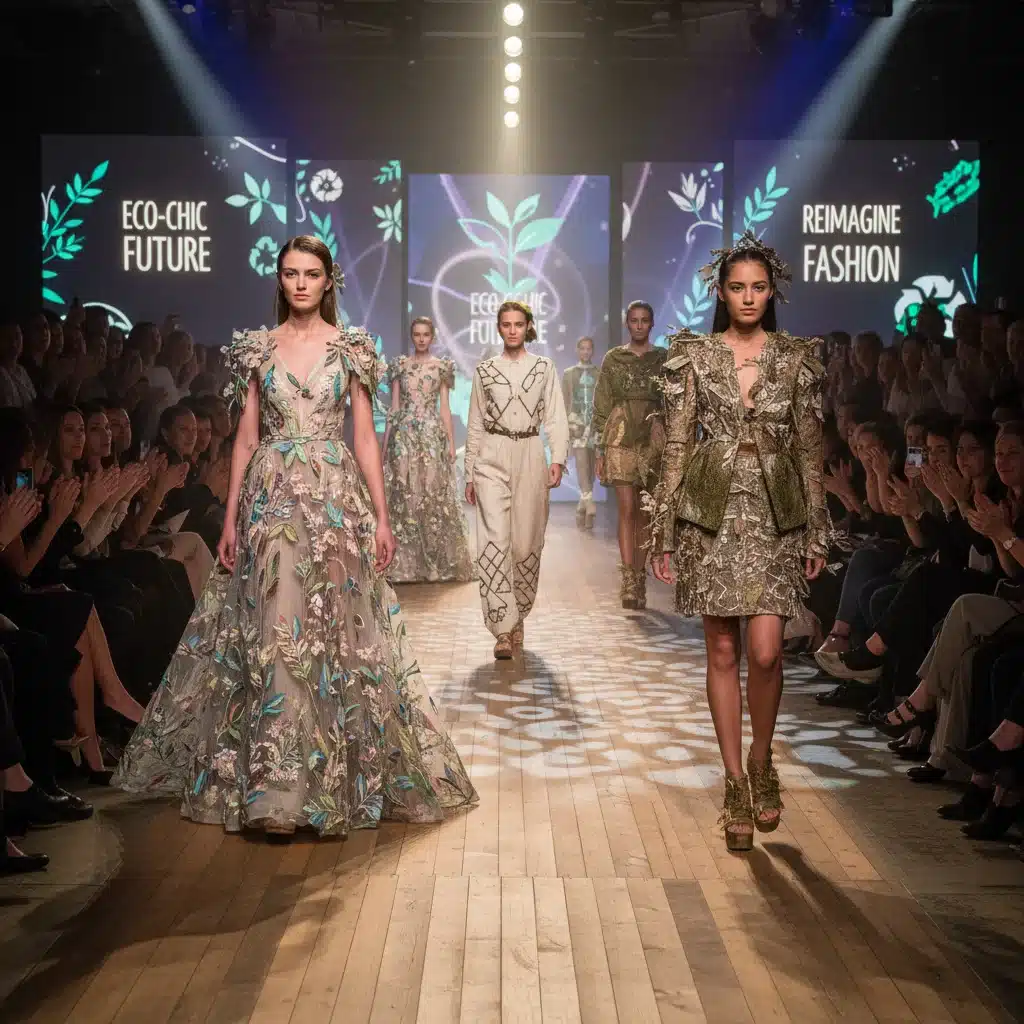
Sustainability is no longer a niche concern; it’s a fundamental pillar of the modern fashion industry. By 2026, US fashion recruiters will expect candidates to demonstrate a deep understanding of and commitment to sustainable and ethical design practices. This includes knowledge of eco-friendly materials, circular design principles, ethical supply chains, and responsible production methods. Simply stating your interest in sustainability isn’t enough; your fashion recruiter portfolio must provide tangible evidence of your engagement.
Showcase projects where you’ve actively integrated sustainable materials, upcycling techniques, or zero-waste pattern cutting. Highlight your research into innovative textiles, such as plant-based leathers, recycled synthetics, or biodegradable fabrics. If you’ve worked on projects involving local production, fair labor practices, or community engagement, be sure to include them. Quantify your impact where possible – for example, by mentioning reduced water usage or waste. This demonstrates that you are not only aware of the industry’s challenges but are also actively contributing to solutions. A fashion recruiter portfolio that champions sustainability signals a responsible and forward-thinking professional, aligning with the values of many leading brands.

4. Commercial Awareness and Market Understanding
Creative flair is essential, but in the commercial world of fashion, it must be balanced with a strong understanding of the market. US fashion recruiters are looking for individuals who can translate creative concepts into commercially viable products. This means demonstrating an awareness of current market trends, consumer behavior, target demographics, and brand positioning. Your fashion recruiter portfolio should illustrate your ability to research, analyze, and respond to market demands while maintaining creative integrity.
Include market research reports, trend analyses, and competitor studies that informed your design decisions. Show how you’ve designed collections with a specific target audience in mind, considering price points, distribution channels, and retail strategies. If you have experience with merchandising, visual displays, or even sales forecasting, these are valuable additions. The ability to articulate how your designs or strategies contribute to a brand’s bottom line is a powerful asset. A fashion recruiter portfolio that showcases both creative vision and commercial acumen proves you are a well-rounded professional capable of navigating the complexities of the industry.
5. Cross-Functional Collaboration and Teamwork
The fashion industry is inherently collaborative. From designers working with pattern makers and merchandisers to marketing teams coordinating with production, successful projects require seamless teamwork. Recruiters want to see that you can not only perform your individual role but also contribute effectively within a team environment. Your fashion recruiter portfolio should subtly highlight your collaborative spirit and your ability to work with diverse skill sets.
While most portfolio projects are individual, you can still illustrate your collaborative nature. If you’ve worked on group projects, clearly define your role and contributions. Discuss how you communicated with team members, resolved conflicts, or leveraged different strengths to achieve a common goal. Even in individual projects, mention how you sought feedback, incorporated critiques, or collaborated with suppliers or manufacturers. Providing examples of successful collaborations, whether through project descriptions or testimonials, reinforces your ability to be a valuable team player. A strong fashion recruiter portfolio doesn’t just display individual brilliance; it also hints at your potential to elevate the entire team.
6. Problem-Solving and Adaptability
The fashion industry is dynamic and often unpredictable. Supply chain disruptions, sudden shifts in trends, and unexpected challenges are commonplace. US fashion recruiters value candidates who can demonstrate strong problem-solving skills and a high degree of adaptability. Your fashion recruiter portfolio should offer insights into how you approach challenges and pivot when necessary, turning obstacles into opportunities.
For each project, consider including a section that outlines a challenge you faced and how you overcame it. Did you have to work with a limited budget? Did a material become unavailable? How did you innovate or adapt your design process? Showcase your critical thinking and resourcefulness. This could involve demonstrating how you redesigned a garment to fit new sustainability requirements, or how you pivoted a collection concept based on unexpected market feedback. Recruiters want to see resilience and a proactive mindset. A fashion recruiter portfolio that highlights your problem-solving capabilities assures potential employers that you can navigate the inevitable complexities of the industry with confidence and creativity.
7. Technical Skills and Craftsmanship
While digital skills are paramount, traditional technical skills and an eye for craftsmanship remain essential. Whether it’s impeccable garment construction, precise pattern making, detailed textile knowledge, or expert styling, recruiters need to see that you have a solid foundation in the practical aspects of fashion. Your fashion recruiter portfolio should clearly demonstrate your technical proficiency and attention to detail.
Include high-quality photographs of your finished garments, showcasing construction details, fabric manipulation, and overall execution. If you’re a designer, provide technical flats, spec sheets, and examples of your pattern-making skills. For stylists, include tear sheets from photoshoots or detailed mood boards with styling breakdowns. For textile designers, present fabric swatches, print repeats, and material research. Always ensure the quality of your images is professional, allowing recruiters to appreciate the finesse of your work. This foundational competence is what undermines all creative endeavors and assures recruiters of your ability to bring designs to life. A well-rounded fashion recruiter portfolio balances innovative concepts with demonstrable craftsmanship.
8. Global Perspective and Cultural Sensitivity
The fashion industry is inherently global, with trends, influences, and supply chains spanning continents. US fashion recruiters are increasingly seeking candidates who possess a global perspective and demonstrate cultural sensitivity. This means understanding diverse markets, appreciating different aesthetic traditions, and being able to design or market products that resonate with a global audience.
Showcase projects that reflect a global outlook. Have you researched cultural influences for a collection? Have you considered how a design might be received in different markets? If you have international experience, language skills, or have studied diverse fashion histories, highlight these aspects. Demonstrate an awareness of global socio-political issues that might impact fashion trends or consumer behavior. This doesn’t mean you need to have lived abroad, but rather that you can think beyond your immediate cultural context. A fashion recruiter portfolio that reflects a global mindset indicates a broad understanding of the industry’s interconnectedness and your potential to contribute to internationally successful brands.