The Top 5 Digital Skills Employers are Demanding in 2026 for US Fashion Careers: A Practical Guide
The fashion industry, long perceived as a bastion of tradition and tangible textiles, is undergoing an unprecedented digital metamorphosis. As we stride towards 2026, the landscape of US fashion careers is being reshaped by technological advancements at an astonishing pace. Employers are no longer just seeking creative flair or business acumen; they are actively searching for professionals equipped with a robust arsenal of fashion digital skills. This shift isn’t merely about adopting new tools; it’s about fundamentally rethinking how fashion is designed, produced, marketed, and consumed.
Anúncios
The integration of technology into every facet of the fashion value chain means that individuals who can navigate this digital terrain will be invaluable. From concept to consumer, digital proficiency is becoming the bedrock of success. This comprehensive guide will delve into the five most critical digital skills that will define the future of US fashion careers by 2026, offering practical insights into why they matter and how aspiring and current professionals can acquire them. Understanding and mastering these fashion digital skills will not only future-proof your career but also position you as a leader in an industry on the cusp of a new era.
1. Artificial Intelligence (AI) and Machine Learning (ML) Proficiency in Fashion
Artificial Intelligence (AI) and Machine Learning (ML) are no longer futuristic concepts; they are current realities profoundly impacting the fashion industry. By 2026, proficiency in leveraging AI and ML will be a non-negotiable fashion digital skill for a vast array of roles. These technologies are revolutionizing everything from trend forecasting and personalized customer experiences to supply chain optimization and sustainable manufacturing processes.
Anúncios
Why AI/ML Matters in Fashion:
- Trend Forecasting: AI algorithms can analyze vast amounts of data – social media trends, sales figures, search queries, and even runway show reviews – to predict upcoming fashion trends with remarkable accuracy. This allows designers and brands to make more informed decisions, reducing waste and increasing market relevance.
- Personalization: ML powers personalized shopping experiences, recommending products based on individual preferences, purchase history, and even body type. This enhances customer engagement and drives sales, making it a critical aspect of modern e-commerce.
- Supply Chain Optimization: AI can optimize inventory management, predict demand fluctuations, and streamline logistics, leading to reduced costs and improved efficiency. This is vital for mitigating risks and ensuring timely product delivery.
- Design and Production: AI tools are emerging that can assist in generating design concepts, optimizing fabric usage, and even automating parts of the garment production process, leading to greater innovation and sustainability.
- Sustainability Efforts: ML can identify sustainable materials, track product lifecycles, and optimize production to minimize environmental impact, addressing a growing consumer demand for ethical fashion.
How to Acquire This Skill:
For fashion professionals, becoming proficient in AI/ML doesn’t necessarily mean becoming a data scientist. It means understanding the capabilities of these technologies and how to apply them strategically within a fashion context. Online courses from platforms like Coursera, edX, or even specialized fashion tech academies offer introductions to AI for business or specific fashion applications. Familiarity with AI-powered analytics tools, understanding data interpretation, and basic concepts of machine learning logic will be highly valued. Collaborating with data scientists and actively participating in AI-driven projects within your organization will also accelerate learning.
2. 3D Design and Virtual Prototyping
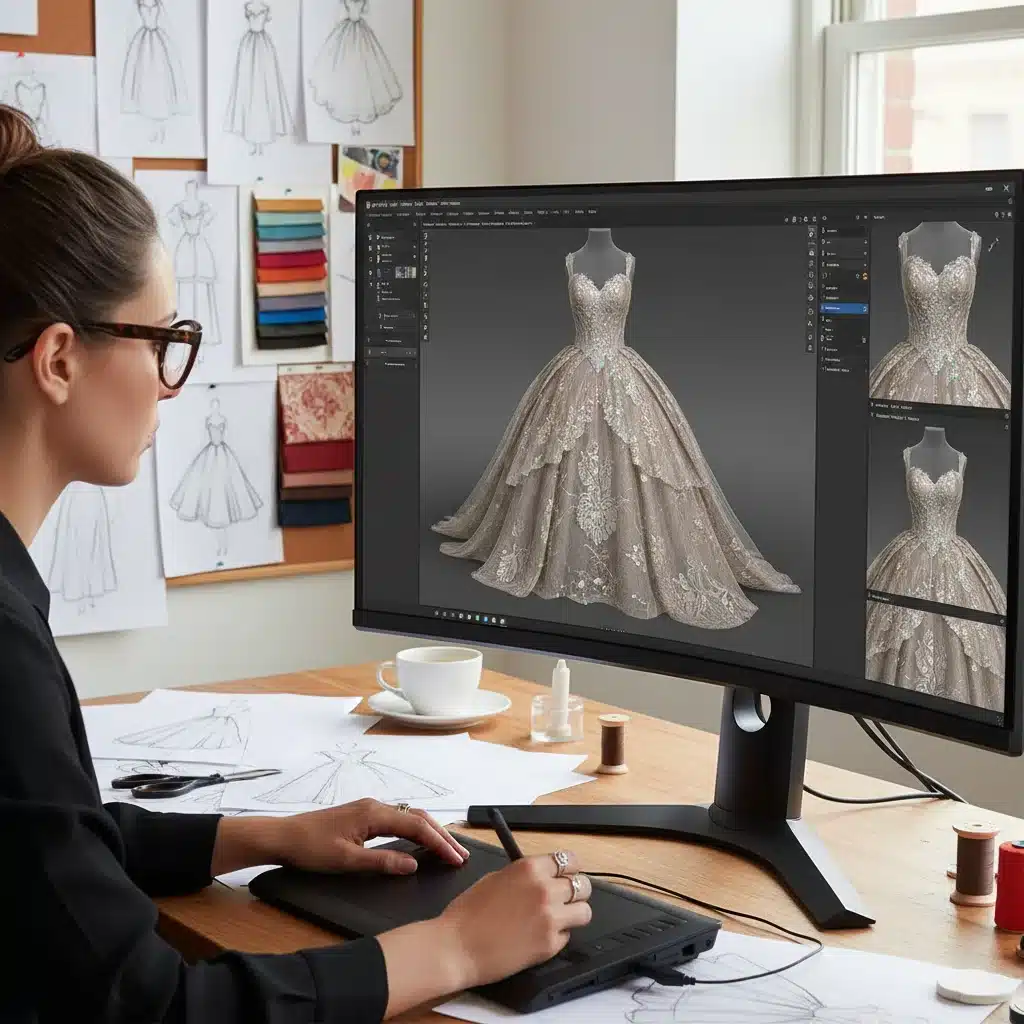
The traditional design process, heavily reliant on physical samples and lengthy production cycles, is being transformed by 3D design and virtual prototyping. This fashion digital skill is rapidly becoming indispensable, allowing brands to innovate faster, reduce costs, and minimize their environmental footprint. By 2026, the ability to create, visualize, and present garments in a virtual space will be a core competency for designers, product developers, and merchandisers alike.
Why 3D Design Matters in Fashion:
- Faster Product Development: 3D design significantly reduces the need for multiple physical samples, cutting down development time from weeks to days. This agility is crucial in today’s fast-paced fashion cycles.
- Cost Reduction: Eliminating numerous physical samples translates directly into substantial cost savings on materials, labor, and shipping.
- Sustainability: Less physical sampling means less waste, fewer resources consumed, and a reduced carbon footprint, aligning with the industry’s growing commitment to sustainability.
- Enhanced Visualization: 3D models offer realistic visualizations of garments, allowing for detailed adjustments to fit, drape, and texture before any fabric is cut. This improves accuracy and reduces errors.
- Digital Showrooms and E-commerce: Virtual prototypes can be used for digital showrooms, online product listings, and even augmented reality (AR) try-on experiences, enhancing the customer’s online journey.
How to Acquire This Skill:
Software proficiency is key here. Learning industry-standard 3D software like CLO3D, Optitex, or Browzwear is paramount. Many universities and fashion schools are now integrating these tools into their curricula. Beyond formal education, numerous online tutorials, workshops, and certifications are available. Practicing by creating virtual garments, understanding fabric physics in a digital environment, and collaborating on 3D projects will build expertise. This fashion digital skill is not just for designers; merchandisers need to understand how to interpret 3D models, and marketing professionals can leverage them for compelling visual content.
3. Advanced E-commerce and Digital Marketing Strategies
In an increasingly digital-first world, a brand’s online presence is often its primary storefront. By 2026, a deep understanding of advanced e-commerce platforms and sophisticated digital marketing strategies will be a foundational fashion digital skill for anyone working in sales, marketing, merchandising, or brand management within the US fashion industry. The ability to drive online traffic, convert sales, and build brand loyalty through digital channels is paramount.
Why E-commerce & Digital Marketing Matters in Fashion:
- Global Reach: E-commerce allows fashion brands to transcend geographical boundaries, reaching a global customer base that would be impossible with brick-and-mortar stores alone.
- Data-Driven Decisions: Digital platforms provide a wealth of data on customer behavior, preferences, and purchasing patterns, enabling highly targeted marketing campaigns and product development.
- Personalized Customer Journeys: Advanced digital marketing leverages data to create highly personalized customer experiences, from tailored product recommendations to customized email campaigns.
- Brand Storytelling: Digital channels offer powerful avenues for brands to tell their stories, showcase their values, and engage with consumers on a deeper level through content marketing, social media, and interactive experiences.
- Omnichannel Integration: The future of fashion retail is omnichannel, seamlessly integrating online and offline experiences. Professionals need to understand how digital strategies support and enhance physical retail.
How to Acquire This Skill:
Mastery involves more than just setting up an online store. It requires proficiency in various digital marketing facets: Search Engine Optimization (SEO), Search Engine Marketing (SEM), social media marketing (including emerging platforms), email marketing automation, content strategy, and conversion rate optimization (CRO). Familiarity with major e-commerce platforms (Shopify Plus, Salesforce Commerce Cloud, Adobe Commerce), analytics tools (Google Analytics, Adobe Analytics), and CRM systems is essential. Certifications from Google, HubSpot, or specialized digital marketing academies can provide structured learning. Hands-on experience managing digital campaigns, analyzing performance metrics, and adapting strategies based on insights will be invaluable.
4. Data Analytics and Business Intelligence for Fashion
The fashion industry generates an immense amount of data, from sales figures and website traffic to customer demographics and social media engagement. The ability to collect, analyze, and interpret this data to make informed business decisions is a critical fashion digital skill that will only grow in importance by 2026. Data analytics transforms raw information into actionable insights, driving strategic planning and operational efficiency.
Why Data Analytics Matters in Fashion:
- Strategic Decision-Making: Data insights inform decisions across the board – from which collections to produce, to where to open new stores, to how to price products competitively.
- Customer Understanding: Analyzing customer data helps brands understand who their customers are, what they want, and how they behave, leading to more effective marketing and product development.
- Inventory Management: Predictive analytics can optimize inventory levels, reducing overstocking and stockouts, which in turn minimizes waste and maximizes profitability.
- Performance Measurement: Data allows for precise measurement of campaign effectiveness, website performance, and overall business health, enabling continuous improvement.
- Trend Identification: Beyond AI’s predictive capabilities, human analysts with strong data skills can spot subtle trends and anomalies that might be missed, offering a competitive edge.
How to Acquire This Skill:
Developing strong data analytics skills involves a combination of technical proficiency and critical thinking. Learning to use data visualization tools (Tableau, Power BI), statistical software (R, Python with libraries like Pandas), and advanced Excel functions is beneficial. Understanding database concepts and SQL for data extraction can also be highly advantageous. Online courses, bootcamps, and university programs in data science or business analytics are excellent pathways. The key is not just to crunch numbers but to be able to tell a compelling story with data, translating complex analyses into clear, actionable recommendations for fashion business leaders. This fashion digital skill is crucial for roles in planning, merchandising, marketing, and executive leadership.
5. Sustainable Technology and Circular Economy Principles
The fashion industry faces immense pressure to become more sustainable. By 2026, a deep understanding of sustainable technology and circular economy principles, coupled with the digital tools that enable them, will be a highly sought-after fashion digital skill. This isn’t just about ethical considerations; it’s about business resilience, regulatory compliance, and meeting evolving consumer expectations.
Why Sustainable Technology Matters in Fashion:
- Reduced Environmental Impact: Digital tools can track and optimize resource consumption, minimize waste, and enable more sustainable production methods throughout the supply chain.
- Transparency and Traceability: Technologies like blockchain can provide end-to-end transparency in the supply chain, allowing consumers to verify the ethical and sustainable origins of products.
- Circular Design: Digital design tools facilitate the creation of garments that are easier to repair, recycle, or upcycle, supporting a circular economy model where materials are kept in use for longer.
- Waste Reduction: Digital inventory management, demand forecasting (powered by AI/ML), and 3D prototyping all contribute to reducing textile waste and overproduction.
- Consumer Demand: A growing segment of consumers prioritizes sustainability. Brands that can demonstrate genuine commitment through technological solutions will gain a competitive advantage.
How to Acquire This Skill:
This skill set combines technological understanding with a strong grasp of sustainability science and business ethics. Professionals should educate themselves on circular economy models, life cycle assessments (LCAs), and sustainable material innovations. Learning about digital tools for supply chain transparency (e.g., blockchain platforms), waste reduction technologies, and sustainable design software will be beneficial. Engaging with industry reports from organizations like the Global Fashion Agenda or the Ellen MacArthur Foundation, attending sustainability-focused fashion tech conferences, and pursuing certifications in sustainable fashion or supply chain management will be valuable. This fashion digital skill is critical for roles in product development, supply chain management, corporate social responsibility, and brand strategy.
Integrating Digital Skills into Your Fashion Career Path
Acquiring these top 5 fashion digital skills is not a one-time event but an ongoing journey of learning and adaptation. The fashion industry is dynamic, and technology evolves at an exponential rate. Therefore, cultivating a growth mindset and a commitment to continuous learning will be your most valuable asset.
Practical Steps for Skill Development:
- Identify Your Niche: While a broad understanding of all five skills is beneficial, consider which ones align best with your career aspirations and current role. A designer might prioritize 3D design, while a marketer focuses on advanced e-commerce.
- Online Courses and Certifications: Platforms like Coursera, edX, LinkedIn Learning, and specific fashion tech academies offer structured learning paths. Look for courses taught by industry experts or endorsed by reputable institutions.
- Hands-On Projects: Theory is important, but practical application solidifies learning. Seek out opportunities to work on digital projects, even if they are personal passion projects or volunteer work.
- Networking: Connect with professionals who are already leveraging these digital skills. Join industry forums, attend webinars, and participate in fashion tech communities to share knowledge and gain insights.
- Stay Informed: Regularly read industry publications, fashion tech blogs, and research papers to stay abreast of the latest innovations and trends. Podcasts and webinars are also excellent resources.
- Mentorship: Seek out mentors who are proficient in these digital areas. Their guidance can be invaluable in navigating your learning journey and career path.
- Experiment with Tools: Many software companies offer free trials or student versions. Don’t be afraid to download and experiment with 3D design software, data visualization tools, or AI platforms to get a feel for them.
The convergence of fashion and technology is creating exciting new roles and opportunities. From digital stylists and virtual sample developers to AI-driven trend analysts and sustainable supply chain managers, the future of US fashion careers is inextricably linked to digital proficiency. Embracing these fashion digital skills will not only make you highly marketable but also empower you to contribute to a more innovative, efficient, and sustainable fashion industry.
The Transformative Power of Digital Fluency in Fashion
The traditional pillars of the fashion industry – creativity, craftsmanship, and commerce – are now being augmented and amplified by digital capabilities. The demand for professionals who possess a keen eye for aesthetics alongside a sophisticated understanding of technology is surging. This new breed of fashion professional, armed with critical fashion digital skills, is not just adapting to change but actively driving it.
Consider the profound impact of these skills on the entire product lifecycle. A designer proficient in 3D modeling can rapidly iterate on designs, experimenting with countless variations in texture, drape, and color without consuming a single thread of fabric. This not only accelerates the creative process but also fosters a more sustainable approach by drastically reducing physical waste. When combined with AI-driven trend forecasting, designers can create collections that are not only aesthetically groundbreaking but also strategically aligned with consumer demand, minimizing the risk of unsold inventory.
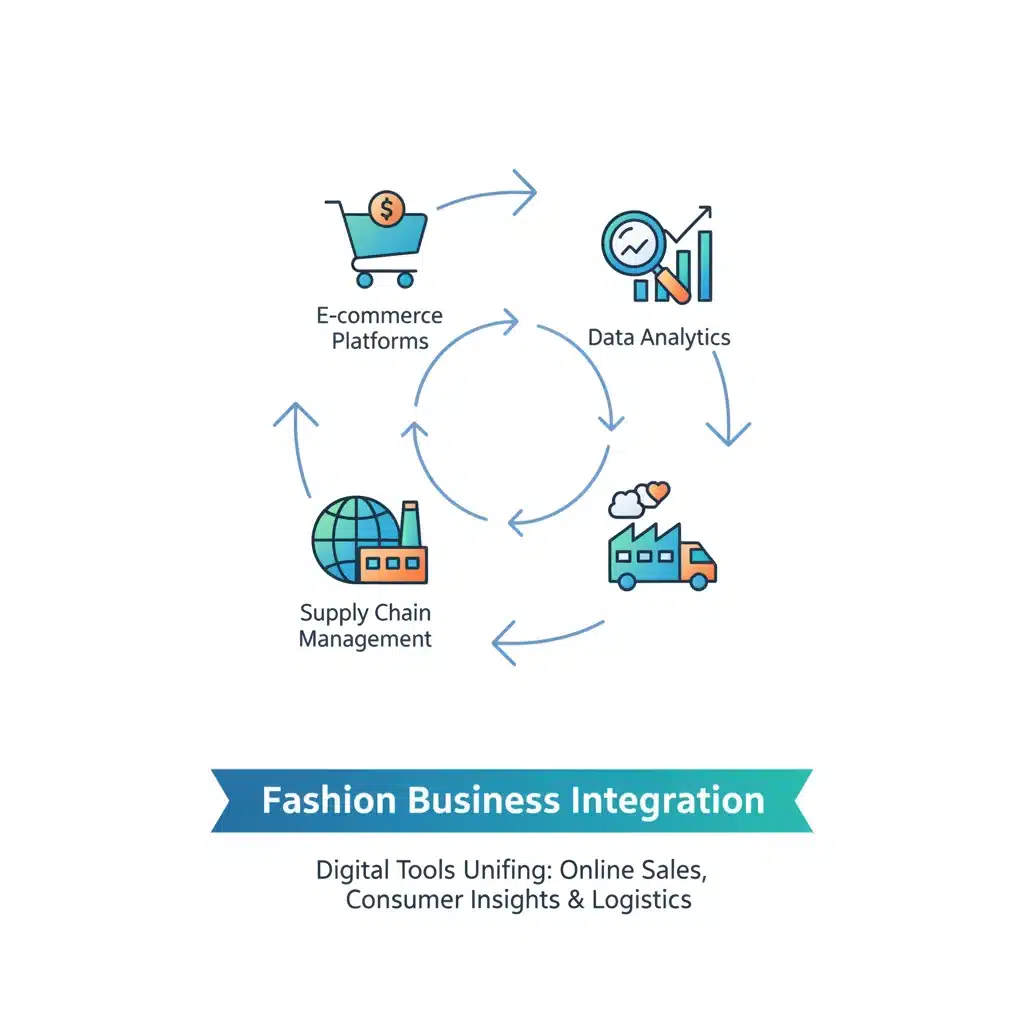
Furthermore, the synergy between data analytics and e-commerce strategies is revolutionizing how fashion brands connect with their audience. By analyzing vast datasets, marketers can craft hyper-personalized campaigns that resonate deeply with individual consumers, turning casual browsers into loyal customers. The ability to track customer journeys, understand conversion funnels, and optimize digital touchpoints is no longer a luxury but a fundamental requirement for competitive advantage. This data-driven approach ensures that marketing spend is efficient and effective, yielding higher returns and strengthening brand equity.
Building a Future-Proof Fashion Career
For those aspiring to or currently navigating fashion careers in the US, the message is clear: digital fluency is the key to unlocking future opportunities. This isn’t about replacing human creativity with machines, but rather empowering human ingenuity with advanced tools. The most successful professionals will be those who can seamlessly integrate their artistic vision and business acumen with technological prowess.
Embracing sustainable technology and circular economy principles, for instance, allows fashion professionals to contribute to a more ethical and environmentally responsible industry. This not only appeals to a growing conscious consumer base but also positions brands as leaders in responsible innovation. Understanding how blockchain can ensure supply chain transparency or how AI can optimize resource allocation becomes a powerful differentiator in a market increasingly scrutinized for its environmental and social impact.
The journey to mastering these fashion digital skills may seem daunting, but it is an investment that will pay dividends. Start small, focus on one skill at a time, and build upon your knowledge. The resources available, from free online tutorials to intensive bootcamps, are more accessible than ever before. The fashion industry is calling for innovators, problem-solvers, and forward-thinkers who are comfortable at the intersection of creativity and technology.
By proactively developing these essential digital competencies, you are not just preparing for the future of fashion; you are actively shaping it. The US fashion landscape in 2026 will be defined by those who dared to embrace the digital frontier, transforming challenges into opportunities and redefining what it means to be a fashion professional in the 21st century. Your commitment to acquiring these fashion digital skills will be the cornerstone of a successful and impactful career.