Future Fashion Jobs: Navigating the 2026 Industry Landscape

Anúncios
The fashion industry, a perpetual motion machine of creativity and commerce, stands on the precipice of a monumental transformation. As we look towards 2026, the landscape of future fashion jobs is being reshaped by powerful forces: sustainability, digital innovation, artificial intelligence, and evolving consumer demands. Gone are the days when traditional design and merchandising were the sole pillars of a fashion career. Today, and increasingly so in the near future, success hinges on adaptability, a multidisciplinary skill set, and a keen understanding of emerging technologies and ethical practices. This comprehensive guide will navigate the intricate pathways of the 2026 fashion job market, identifying the fastest-growing roles and providing actionable strategies to position yourself at the forefront of this exciting evolution.
Anúncios
The global fashion industry is projected to continue its growth, albeit with a significant shift in its operational paradigms. Reports from McKinsey & Company and Business of Fashion consistently point towards a future dominated by conscious consumption, hyper-personalization, and technological integration. This isn’t just about new job titles; it’s about a fundamental redefinition of existing roles and the creation of entirely new disciplines. Understanding these shifts is paramount for anyone aspiring to build a resilient and rewarding career in fashion.
The Rise of Sustainable Fashion Jobs: A Core Industry Imperative
Sustainability is no longer a niche concern; it’s a non-negotiable aspect of modern fashion. Consumers are increasingly demanding transparency, ethical production, and environmentally friendly products. This demand is translating directly into a surge in future fashion jobs focused on sustainability across the entire value chain.
Key Roles in Sustainable Fashion:
- Sustainability Officer/Manager: These professionals are responsible for developing and implementing sustainability strategies within fashion companies. Their work spans from sourcing eco-friendly materials and optimizing supply chains to ensuring ethical labor practices and reducing waste. They are crucial in navigating complex regulations and communicating a brand’s sustainable efforts to the public.
- Circular Economy Specialist: With a focus on extending product lifecycles, circular economy specialists design systems for repair, reuse, resale, and recycling of garments. This role is vital for brands aiming to minimize their environmental footprint and embrace a more regenerative business model.
- Material Innovation Scientist/Engineer: As the search for sustainable alternatives intensifies, there’s a growing need for experts in developing new, eco-friendly textiles. This includes bio-based materials, recycled fibers, and innovative dyeing processes that reduce water and chemical usage.
- Ethical Sourcing and Compliance Manager: Ensuring fair labor practices and responsible sourcing throughout the global supply chain is a complex task. These managers audit factories, verify ethical standards, and work to improve working conditions and environmental impact at every stage of production.
- Upcycling and Textile Waste Designer: Creative professionals who can transform textile waste into new, desirable products are increasingly valuable. This role combines design acumen with a deep understanding of sustainable practices, turning waste into a resource.
To thrive in these roles, a blend of scientific knowledge, ethical understanding, and business acumen is essential. Degrees in environmental science, supply chain management, or specialized fashion sustainability programs will provide a strong foundation.
Anúncios
Digital Transformation and Technology-Driven Roles in Fashion
The digital revolution continues to sweep through the fashion industry, creating a plethora of new opportunities and fundamentally altering how fashion is designed, produced, marketed, and sold. From virtual fashion shows to AI-powered trend forecasting, technology is at the heart of the future fashion jobs market.
Emerging Digital Fashion Careers:
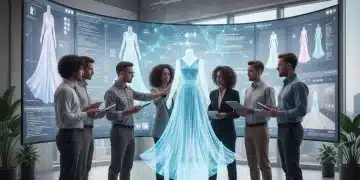
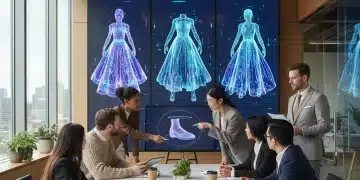
- 3D Fashion Designer/Developer: The ability to design garments in 3D software is becoming a standard skill. 3D designers create virtual prototypes, conduct virtual fittings, and even design entirely digital collections for metaverse platforms. This significantly reduces waste and speeds up the design process.
- AI and Data Scientist for Fashion: Analyzing vast amounts of consumer data, predicting trends, optimizing inventory, and personalizing recommendations are critical functions. AI and data scientists leverage machine learning to provide insights that drive business decisions, from design to retail.
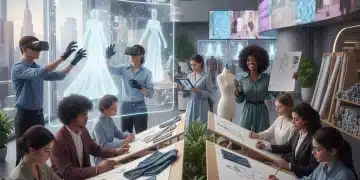
- Virtual Reality (VR) & Augmented Reality (AR) Specialist: These specialists create immersive experiences for customers, from virtual try-on apps to AR-powered store navigation and virtual fashion shows. They bridge the gap between the physical and digital shopping experience.
- E-commerce and Digital Marketing Strategist: While not entirely new, these roles are evolving rapidly. Specialists in this area must understand SEO, SEM, social media marketing, influencer collaborations, and data analytics to drive online sales and brand engagement in a highly competitive digital landscape.
- Metaverse Fashion Designer/Strategist: As the metaverse expands, so does the demand for designers who can create digital-only garments and accessories for avatars. Metaverse strategists help brands navigate this new virtual frontier, from launching digital collections to establishing a presence in virtual worlds.
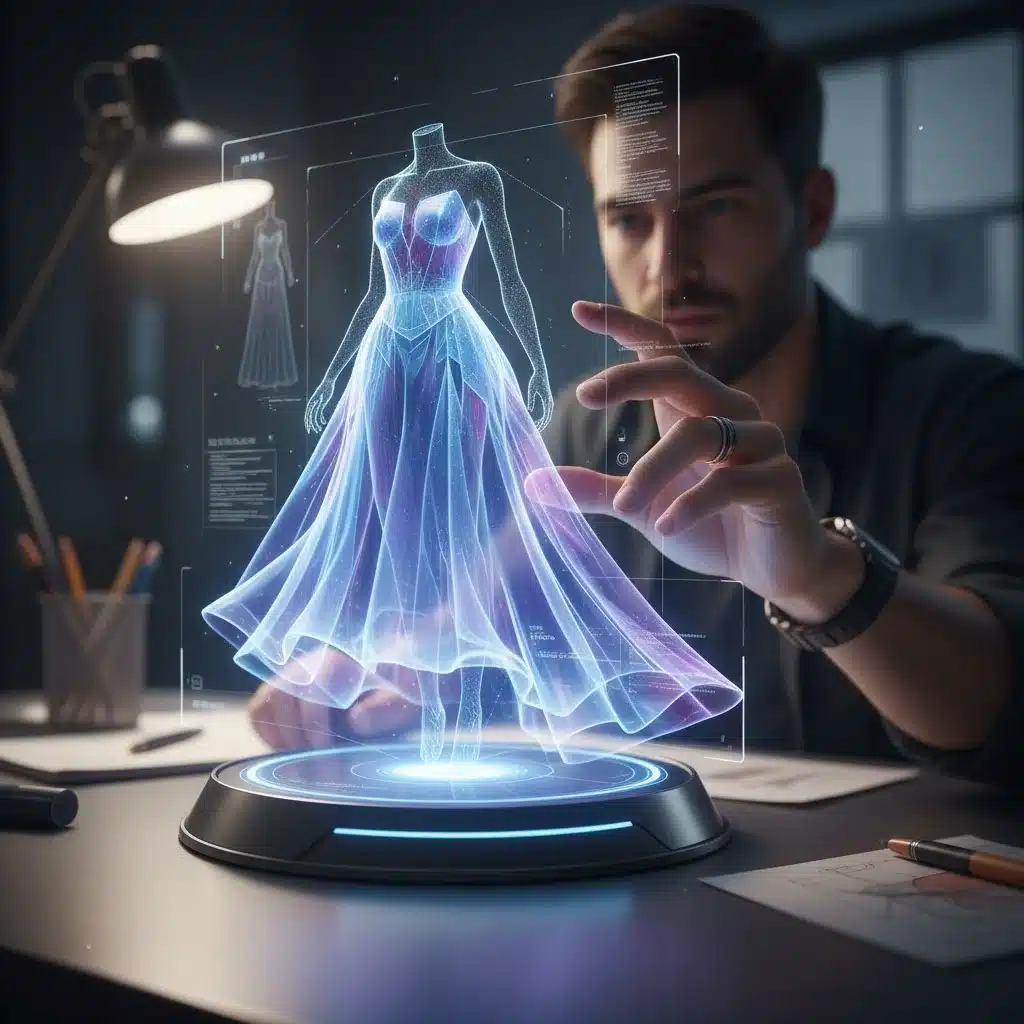
For these roles, proficiency in design software (e.g., CLO3D, Optitex), data analysis tools, and a strong understanding of digital marketing principles are crucial. Backgrounds in computer science, digital media, or specialized fashion technology courses are highly advantageous.
Supply Chain Optimization and Transparency Roles
The complexities of global supply chains have been highlighted by recent disruptions, emphasizing the need for greater efficiency, resilience, and transparency. This creates a growing demand for professionals who can optimize operations and ensure ethical practices, making these vital future fashion jobs.
Key Roles in Supply Chain and Operations:
- Supply Chain Analyst/Manager: These professionals are responsible for streamlining the entire production and distribution process, from raw material sourcing to delivery. They focus on efficiency, cost reduction, and risk management, often leveraging data analytics and logistics software.
- Blockchain Specialist for Fashion: Blockchain technology offers unprecedented transparency and traceability in the supply chain. Specialists in this area implement and manage blockchain solutions to track products, verify authenticity, and ensure ethical sourcing, combating counterfeiting and promoting accountability.
- Logistics and Inventory Optimization Specialist: With the rise of fast fashion and e-commerce, efficient inventory management and rapid logistics are paramount. These specialists use predictive analytics to forecast demand, optimize warehousing, and ensure timely delivery, minimizing waste and maximizing profitability.
- Product Lifecycle Management (PLM) Specialist: PLM systems integrate all aspects of a product’s lifecycle, from design and development to manufacturing and retail. Specialists in this area manage these complex systems, ensuring seamless collaboration and data flow across different departments.
A strong foundation in supply chain management, logistics, or operations research, coupled with an understanding of fashion industry specifics, will be highly valued for these roles. Certifications in relevant software and methodologies will also boost employability.
The Evolution of Creative and Marketing Roles
While technology and sustainability are driving new roles, traditional creative and marketing positions are also evolving. The essence of creativity remains, but the tools and platforms for expression are changing, impacting future fashion jobs in these areas.
Transformed Creative and Marketing Roles:
- Digital Content Creator/Storyteller: Beyond traditional photography, content creators now produce engaging videos, interactive experiences, and narrative-driven campaigns for social media, metaverse platforms, and brand websites. Storytelling in a digital-first world requires new skills and approaches.
- Experience Designer (Customer Journey): Fashion is increasingly about the entire customer experience, not just the product. Experience designers craft seamless and engaging journeys across online and offline touchpoints, from website navigation to in-store interactions and post-purchase support.
- Personal Stylist (AI-Enhanced): While human stylists will remain, AI-powered tools are augmenting their capabilities, offering personalized recommendations based on data, body shape analysis, and trend insights. Future stylists may leverage AI to provide even more tailored and efficient services.
- Trend Forecaster (Data-Driven): Traditional trend forecasting relied on intuition and observation. The future fashion jobs in this domain will integrate robust data analytics, AI algorithms, and social listening tools to identify emerging trends with greater accuracy and speed.
- Community Manager (Brand & Metaverse): Building and nurturing online communities is vital for brand loyalty. Community managers not only engage with customers on social media but also establish and manage brand presence within virtual worlds, fostering interaction and brand advocacy in new digital spaces.
For these roles, a strong creative portfolio, excellent communication skills, and a deep understanding of digital platforms and consumer psychology are critical. Relevant degrees in marketing, communications, graphic design, or fashion design, coupled with continuous learning in digital tools, will be beneficial.
Essential Skills for the 2026 Fashion Job Market
Regardless of the specific role, certain overarching skills will be indispensable for anyone navigating the future fashion jobs landscape:
- Digital Literacy and Tech Proficiency: Beyond basic computer skills, this includes familiarity with 3D design software, data analytics tools, AI applications, and various digital communication platforms.
- Sustainability Knowledge: A fundamental understanding of environmental impact, ethical production, and circular economy principles is becoming a baseline requirement across all roles.
- Adaptability and Lifelong Learning: The industry is in constant flux. The ability to quickly learn new technologies, adapt to changing trends, and embrace new methodologies is paramount.
- Critical Thinking and Problem-Solving: Complex challenges related to supply chains, ethical dilemmas, and technological integration require strong analytical and problem-solving skills.
- Collaboration and Interdisciplinary Skills: Fashion teams are becoming more diverse, bringing together designers, engineers, data scientists, and environmentalists. The ability to collaborate effectively across disciplines is crucial.
- Communication and Storytelling: Effectively communicating ideas, brand values, and sustainable practices to diverse audiences (consumers, stakeholders, internal teams) is more important than ever.
- Creativity and Innovation: While tools change, the core of fashion remains creativity. Innovating new designs, business models, and customer experiences will always be highly valued.
How to Position Yourself for Success
Understanding the future fashion jobs landscape is the first step; actively preparing for it is the next. Here’s how you can strategically position yourself for a successful career in 2026 and beyond:
1. Embrace Continuous Education and Upskilling:
- Online Courses and Certifications: Platforms like Coursera, edX, and dedicated fashion tech institutes offer courses in 3D design, data analytics, sustainable fashion, and digital marketing.
- Workshops and Bootcamps: Intensive programs can provide specialized skills in areas like blockchain for supply chain or AI in fashion.
- Advanced Degrees: Consider Master’s programs in Fashion Technology, Sustainable Fashion Management, or Digital Marketing if you’re looking for a deeper academic foundation.
2. Build a Multidisciplinary Portfolio:
- Showcase not just your creative designs, but also your understanding of technology, sustainability, or data. If you’re a designer, include 3D renders; if you’re a marketer, demonstrate your analytical skills.
- Include projects that reflect your passion for ethical practices or innovative solutions.
3. Network Strategically:
- Attend industry conferences, virtual events, and webinars focused on fashion technology, sustainability, and innovation.
- Connect with professionals on LinkedIn, participate in relevant online communities, and seek out mentors who are working in your desired future fashion jobs.
4. Gain Practical Experience:
- Internships: Seek out internships with companies that are leaders in sustainable fashion, fashion tech, or innovative digital strategies.
- Volunteer Work: Contribute to non-profits or startups focused on ethical fashion or textile recycling.
- Personal Projects: Create your own projects that demonstrate your skills and passion, such as designing a sustainable capsule collection, developing a fashion-related app concept, or analyzing fashion trends using public data.
5. Stay Informed and Ahead of Trends:
- Regularly read industry publications, reports from consulting firms (e.g., McKinsey, Deloitte), and fashion tech blogs.
- Follow thought leaders and innovators in the fashion, technology, and sustainability sectors.
- Understand global economic and social trends that will impact consumer behavior and industry practices.
Challenges and Opportunities in the Evolving Fashion Landscape
While the future offers exciting prospects, it also presents challenges. The rapid pace of technological change can lead to skill gaps, and the transition to truly sustainable practices requires significant investment and systemic change. However, these challenges also open doors for innovation and leadership. Professionals who can bridge these gaps and drive positive change will be highly sought after in the future fashion jobs market.
Navigating the Gig Economy and Remote Work:
The fashion industry, like many others, is seeing a rise in freelance and remote work opportunities. This offers flexibility but also requires strong self-management and networking skills. Many future fashion jobs, particularly in digital design, content creation, and data analysis, are well-suited for remote collaboration.
The Importance of Soft Skills:
Beyond technical expertise, soft skills such as emotional intelligence, empathy, and cultural awareness will be crucial. As brands connect with diverse global audiences and navigate complex ethical considerations, professionals with strong interpersonal skills will excel.
Conclusion: Your Future in Fashion is Now
The 2026 fashion industry job market is not just about adapting to change; it’s about actively shaping the future of fashion. The roles that are growing fastest – in sustainability, digital innovation, and supply chain optimization – reflect a profound shift towards a more responsible, technologically advanced, and consumer-centric industry. By investing in continuous learning, building a diverse skill set, and embracing an innovative mindset, you can successfully navigate this dynamic landscape and secure a fulfilling and impactful career. The future fashion jobs are calling, and with the right preparation, you can answer.
Start today by identifying the areas that excite you most, whether it’s designing virtual garments, optimizing ethical supply chains, or using AI to predict the next big trend. The opportunities are vast, and the impact you can make is significant. The fashion industry of tomorrow needs passionate, skilled, and forward-thinking individuals to lead the way.