Web3 Fashion Careers: Navigating New Opportunities in the US by Q3 2026
Anúncios
The Impact of Web3 on Fashion Careers: Preparing for New Opportunities in the US by Q3 2026
Anúncios
The fashion industry, historically rooted in tradition and tangible aesthetics, is currently experiencing a seismic shift driven by the advent of Web3 technologies. This isn’t just a fleeting trend; it’s a fundamental restructuring that is creating an entirely new landscape of career opportunities, particularly within the United States. By Q3 2026, professionals who understand and adapt to this transformation will be at the forefront of innovation, shaping the future of how we design, produce, consume, and experience fashion.
Web3, encompassing blockchain, NFTs (Non-Fungible Tokens), metaverse environments, and decentralized autonomous organizations (DAOs), is moving beyond the realm of speculative technology to become an integral part of various industries. For fashion, its implications are profound, touching everything from intellectual property and supply chain transparency to virtual commerce and digital identity. This article delves deep into the emerging Web3 fashion careers in the US, providing insights into the necessary skills, potential roles, and strategic preparation required to thrive in this exciting new era.
Understanding the Web3 Revolution in Fashion
Before exploring specific career paths, it’s crucial to grasp the core components of Web3 and their relevance to fashion. Web3 represents the next iteration of the internet, characterized by decentralization, user ownership, and enhanced interoperability. Here’s how its key elements are transforming the fashion world:
Anúncios
Blockchain Technology: The Foundation of Trust and Transparency
At its heart, Web3 relies on blockchain, a distributed, immutable ledger that records transactions across a network of computers. In fashion, blockchain offers unprecedented opportunities for:
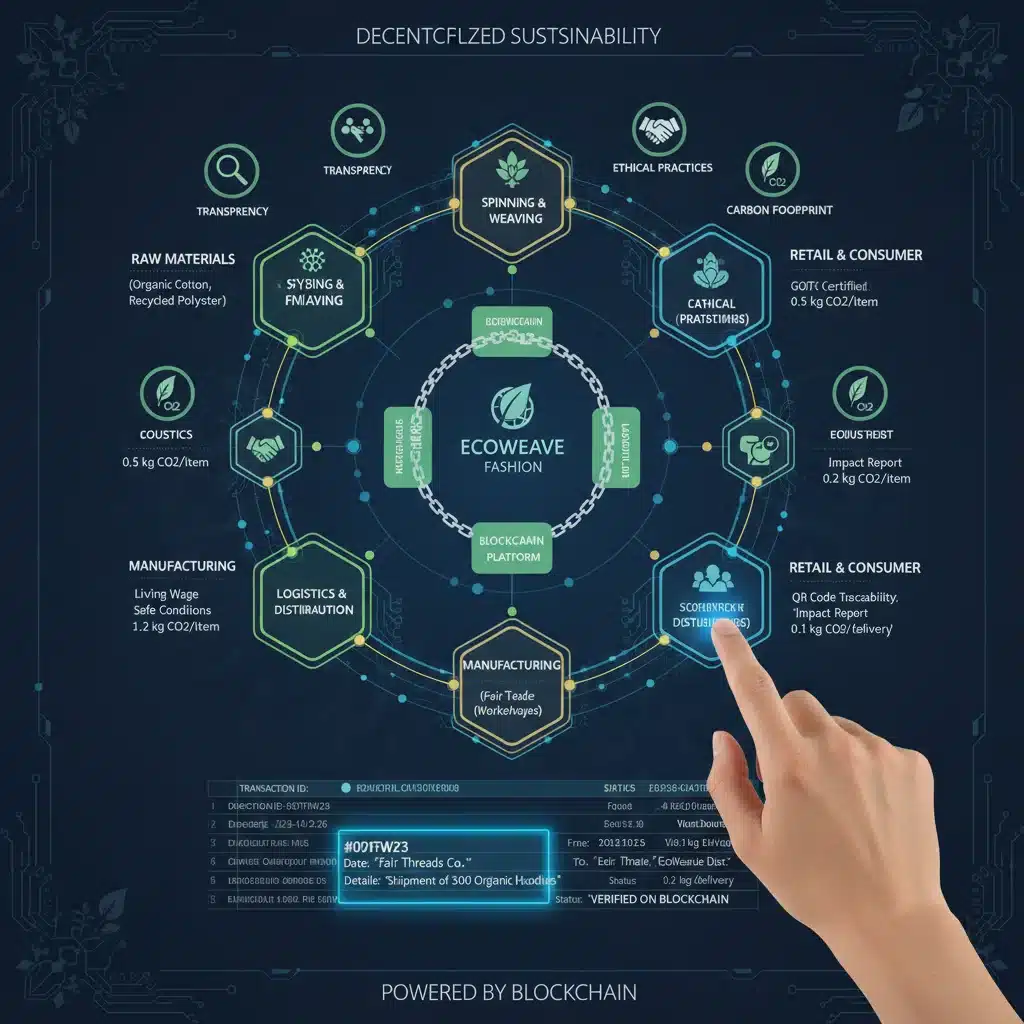
- Supply Chain Transparency: Consumers are increasingly demanding ethical and sustainable practices. Blockchain can track garments from raw material to retail, verifying authenticity, origin, and labor conditions. This creates new roles for supply chain auditors and blockchain integrators.
- Authenticity and Provenance: Counterfeit goods are a multi-billion dollar problem. Blockchain-backed digital certificates can prove the authenticity and ownership of luxury items, both physical and digital.
- Intellectual Property Protection: Designers can timestamp their creations on a blockchain, establishing irrefutable proof of ownership and protecting their designs from unauthorized use.
NFTs: Digital Ownership and Collectibles
Non-Fungible Tokens (NFTs) are unique digital assets stored on a blockchain, representing ownership of a specific item or piece of content. Their impact on fashion is multifaceted:
- Digital Fashion and Wearables: NFTs are the backbone of digital clothing that can be worn by avatars in metaverses, used in gaming, or even overlaid onto real-world images via augmented reality (AR). This opens up vast opportunities for digital fashion designers, 3D artists, and metaverse stylists.
- Exclusive Access and Community: Fashion brands are using NFTs to offer exclusive access to events, limited-edition drops, or membership in a brand’s community, fostering deeper customer loyalty.
- Phygital Products: The convergence of physical and digital, where a physical item comes with a corresponding NFT, offering enhanced utility, authenticity, or a digital twin.
Metaverse: Virtual Worlds, Real Fashion
The metaverse refers to persistent, interconnected virtual environments where users can interact, socialize, and engage in various activities. For fashion, the metaverse is a new frontier for:
- Virtual Retail Spaces: Brands are creating immersive virtual stores where customers can browse, try on digital clothing, and purchase NFTs.
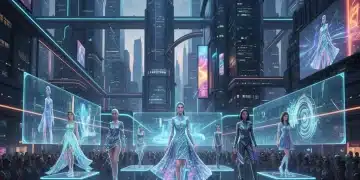
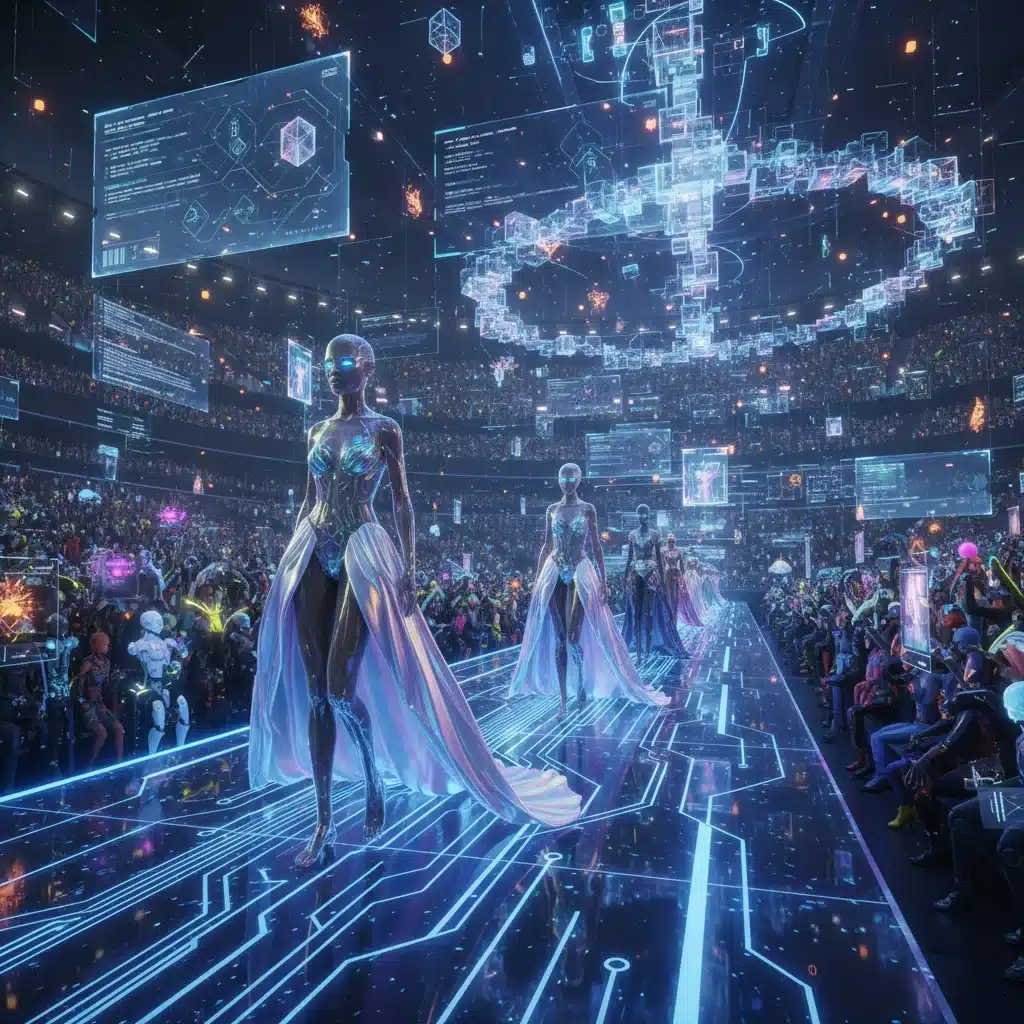
- Experiential Marketing: Hosting virtual fashion shows, concerts, and events within the metaverse allows brands to reach global audiences in innovative ways.
- Avatar Styling and Personalization: Users are increasingly expressing their identity through their digital avatars, driving demand for unique and fashionable digital apparel.
DAOs: Decentralized Decision-Making
Decentralized Autonomous Organizations (DAOs) are organizations run by code and governed by their members, typically through token ownership. In fashion, DAOs could lead to:
Emerging Web3 Fashion Career Paths in the US by Q3 2026
The integration of Web3 technologies is creating a diverse array of new roles and transforming existing ones. Here are some of the most promising Web3 fashion careers that professionals in the US should consider by Q3 2026:
1. Digital Fashion Designer / 3D Garment Artist
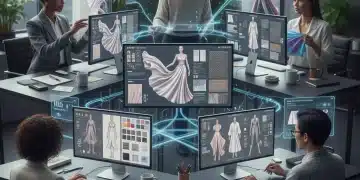
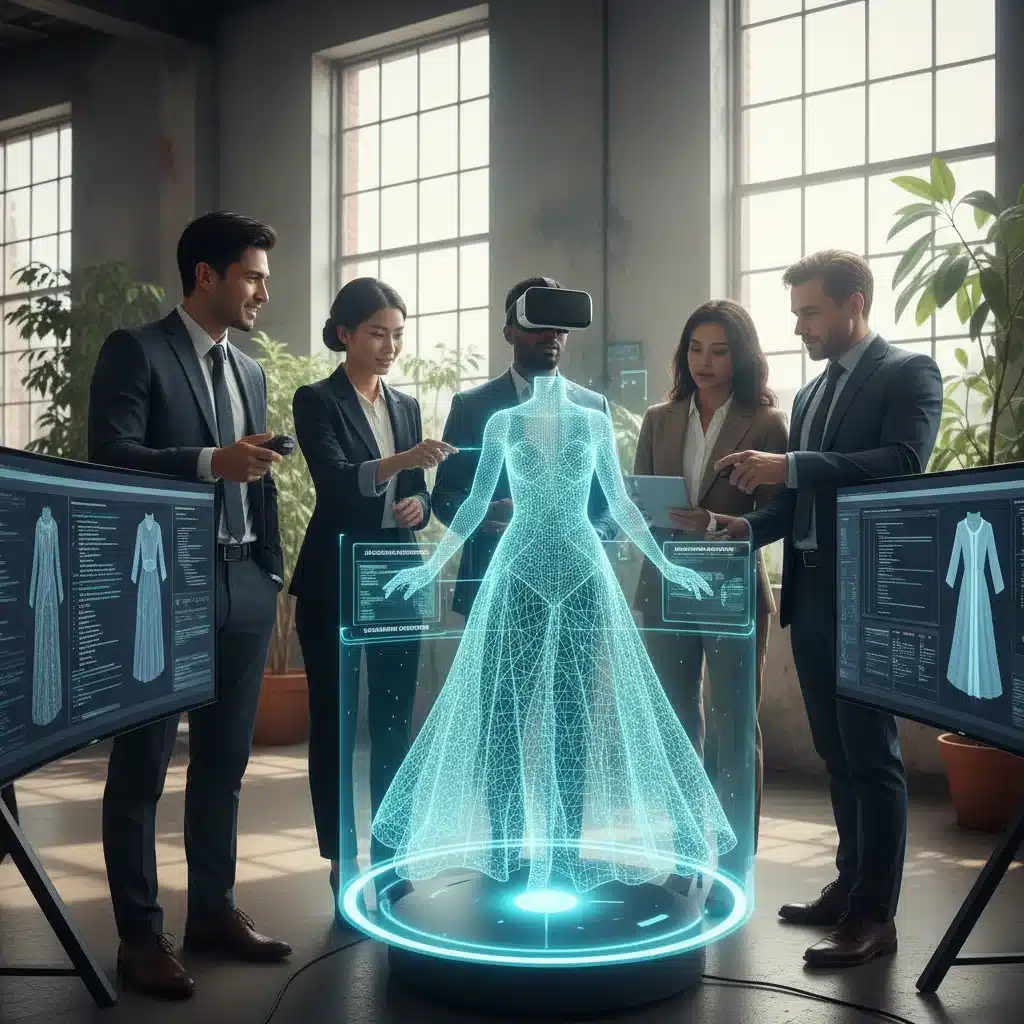
This role is at the forefront of creating digital apparel for avatars, metaverse environments, and AR filters. It requires a blend of traditional fashion design principles with advanced 3D modeling and rendering skills.
- Key Responsibilities: Conceptualizing and designing digital garments, creating 3D models using software like Clo3D, Marvelous Designer, Substance Painter, and Blender, texturing, rigging, and animation for digital wearables.
- Required Skills: Fashion design fundamentals, strong proficiency in 3D design software, understanding of digital textile properties, knowledge of metaverse platforms and avatar standards.
2. NFT Strategist / Blockchain Fashion Consultant
These professionals guide fashion brands on how to effectively integrate NFTs and blockchain into their business models. They understand both the technological aspects and the branding implications.
- Key Responsibilities: Developing NFT drop strategies, advising on blockchain platforms (e.g., Ethereum, Polygon, Flow), managing smart contract deployment, ensuring legal compliance for digital assets, and identifying opportunities for tokenized experiences.
- Required Skills: Deep understanding of blockchain and NFT ecosystems, familiarity with smart contracts, strong business acumen, strategic thinking, marketing knowledge, and legal awareness regarding digital assets.
3. Metaverse Fashion Experience Creator
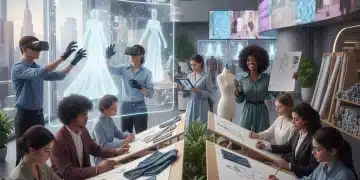
As brands establish a presence in virtual worlds, there’s a growing need for individuals who can design and manage engaging fashion experiences within these platforms.
- Key Responsibilities: Designing virtual retail spaces, organizing metaverse fashion shows and events, creating interactive brand activations, and ensuring seamless user experiences within virtual environments.
- Required Skills: Spatial design, event management (virtual), knowledge of various metaverse platforms (e.g., Decentraland, The Sandbox, Roblox), community engagement strategies, and UX/UI principles for virtual worlds.
4. Web3 Fashion Product Manager
This role bridges the gap between creative vision and technical execution, overseeing the development and launch of Web3 fashion products, whether they are digital collections, NFT projects, or blockchain-backed initiatives.
- Key Responsibilities: Defining product roadmaps, gathering requirements, coordinating between design, development, and marketing teams, managing budgets, and analyzing market trends for Web3 fashion products.
- Required Skills: Product management experience, understanding of blockchain development cycles, strong communication and leadership skills, market analysis capabilities, and a keen eye for fashion trends.
5. Blockchain Supply Chain Analyst for Fashion
With the push for transparency and sustainability, professionals who can implement and manage blockchain solutions for fashion supply chains will be in high demand.
- Key Responsibilities: Implementing blockchain tracking systems for raw materials and finished goods, verifying ethical sourcing and manufacturing practices, analyzing data for supply chain optimization, and ensuring data integrity on the blockchain.
- Required Skills: Supply chain management expertise, knowledge of blockchain platforms and protocols (especially enterprise blockchain), data analytics, understanding of sustainability standards, and strong problem-solving abilities.
6. Digital Textile & Material Innovator
This role focuses on the research and development of new digital textiles, textures, and material properties that can be accurately rendered and utilized in digital fashion and metaverse environments.
- Key Responsibilities: Experimenting with digital rendering techniques, developing realistic fabric simulations, exploring new material science applications for digital fashion, and collaborating with 3D artists to integrate these innovations.
- Required Skills: Material science background, expertise in 3D rendering and simulation software, understanding of physical textile properties, and an innovative mindset for digital applications.
7. Web3 Fashion Community Manager / DAO Coordinator
As fashion brands explore community-owned models and engage with token holders, managing these decentralized communities becomes crucial.
- Key Responsibilities: Fostering engagement within Web3 fashion communities, managing DAO governance processes, organizing community events (both virtual and physical), and serving as a liaison between the brand and its token holders.
- Required Skills: Strong community building skills, understanding of DAO structures and governance, excellent communication, conflict resolution, and knowledge of Web3 social platforms.
Preparing for a Web3 Fashion Career: Essential Steps by Q3 2026
The window of opportunity for entering and excelling in Web3 fashion careers is now. Here’s how aspiring and experienced professionals in the US can prepare themselves by Q3 2026:
1. Acquire Foundational Web3 Knowledge
Start by understanding the basics of blockchain technology, cryptocurrencies, NFTs, and the metaverse. Numerous free and paid resources are available:
- Online Courses: Platforms like Coursera, edX, and Udemy offer courses on blockchain fundamentals, Solidity (for smart contracts), and metaverse development.
- Industry Reports & Blogs: Follow reputable Web3 news outlets, fashion tech blogs, and analyst reports to stay updated on trends and developments.
- Podcasts & Webinars: Listen to industry leaders and experts discussing the future of fashion and Web3.
2. Develop Technical Skills
Depending on your desired role, specific technical skills will be paramount:
- 3D Design & Modeling: Proficiency in software like Clo3D, Marvelous Designer, Blender, Cinema 4D, ZBrush, and Substance Painter is crucial for digital fashion designers and 3D artists.
- Coding Basics: While not every role requires extensive coding, a basic understanding of programming languages like Python or JavaScript, and specifically Solidity for smart contracts, can be highly beneficial for strategists and product managers.
- Data Analytics: The Web3 space generates vast amounts of data. Skills in data analysis can help identify trends, optimize strategies, and measure the success of Web3 initiatives.
3. Bridge Fashion and Technology
The most successful professionals in Web3 fashion will be those who can speak both the language of fashion and the language of technology. This means:
- Understanding Fashion Industry Nuances: Knowledge of garment construction, textile properties, trend forecasting, and brand marketing remains vital.
- Translating Technical Concepts: The ability to explain complex blockchain or NFT concepts in a way that resonates with fashion stakeholders is a valuable skill.
4. Network Within the Web3 and Fashion Tech Communities
The Web3 space is highly collaborative and community-driven. Engaging with others is key:
- Join Online Communities: Participate in Discord servers, Telegram groups, and forums dedicated to Web3, NFTs, and fashion tech.
- Attend Virtual & Physical Events: Look for conferences, hackathons, and meetups focused on blockchain, metaverse, and fashion innovation.
- Connect on LinkedIn: Follow thought leaders and companies at the intersection of fashion and Web3.
5. Build a Portfolio of Digital Work
For creative roles, a strong portfolio showcasing your digital fashion designs, 3D renders, or metaverse experiences is essential. For strategic roles, demonstrating successful Web3 projects or research will be critical.
6. Embrace Continuous Learning and Adaptability
The Web3 space is evolving at an unprecedented pace. What’s cutting-edge today might be standard practice tomorrow. A commitment to continuous learning and a high degree of adaptability are non-negotiable for long-term success.
The US Market Landscape for Web3 Fashion by Q3 2026
The United States is poised to be a major hub for Web3 fashion innovation. Several factors contribute to this:
- Tech Hubs: Silicon Valley, New York, and other tech-centric cities are natural breeding grounds for Web3 development and investment.
- Fashion Industry Presence: New York City remains a global fashion capital, providing a rich ecosystem of designers, brands, and media.
- Investment Capital: Significant venture capital and private equity are flowing into Web3 startups, including those focused on fashion.
- Consumer Adoption: A growing segment of US consumers is engaging with NFTs, cryptocurrencies, and metaverse platforms, creating a demand for digital fashion.
Major fashion brands like Nike, Adidas, Gucci, and Prada have already made significant strides into the Web3 space, launching NFT collections, establishing metaverse presences, and investing in digital fashion startups. This early adoption by industry giants signals a clear direction for the market.
Furthermore, smaller, digitally native brands are emerging, built entirely on Web3 principles. These companies are often more agile and can innovate rapidly, creating new job opportunities for those with Web3 expertise.
Challenges and Opportunities
While the prospects are exciting, the Web3 fashion landscape also presents challenges:
- Technological Maturity: The underlying technologies are still developing, leading to potential scalability issues, security concerns, and evolving standards.
- User Experience: Onboarding new users into Web3 can be complex, requiring intuitive interfaces and seamless experiences.
- Regulatory Uncertainty: The legal and regulatory framework for digital assets and metaverse commerce is still taking shape, which can create ambiguity for businesses.
- Sustainability Concerns: The energy consumption of certain blockchain networks remains a concern, although newer, more energy-efficient protocols are emerging.
However, these challenges also present opportunities for innovation. Professionals who can solve these problems – by developing more sustainable blockchain solutions, creating user-friendly Web3 interfaces, or navigating complex regulatory environments – will be highly valued.
Conclusion
The intersection of Web3 and fashion is not just a niche market; it is the future of a multi-trillion-dollar industry. By Q3 2026, the demand for skilled professionals in Web3 fashion careers in the US will have significantly intensified. From digital designers and NFT strategists to metaverse experience creators and blockchain supply chain analysts, the opportunities are vast and varied.
For those looking to future-proof their careers or embark on a new and exciting path, now is the time to invest in learning, skill development, and networking within this transformative space. The fashion world is being reimagined, and with the right preparation, you can be a pivotal part of its decentralized, digital, and dynamic future.