Metaverse Opportunities 2026: Roadmap for US Fashion Brands
Anúncios
Exploring Metaverse Opportunities: A 2026 Roadmap for US Fashion Brands
The fashion industry is no stranger to transformation. From the advent of e-commerce to the rise of social media influencers, brands have consistently adapted to new technological landscapes. Today, we stand at the precipice of another monumental shift: the metaverse. For US fashion brands, understanding and strategically engaging with the metaverse is no longer a futuristic fantasy but a critical imperative for sustained growth and relevance. This comprehensive guide outlines a strategic metaverse fashion roadmap for US brands aiming to capitalize on these burgeoning opportunities by 2026.
Anúncios
The metaverse, a persistent, interconnected network of 3D virtual worlds, offers unparalleled avenues for creativity, commerce, and community. It promises to redefine how consumers interact with brands, experience products, and express their identities. Brands that fail to adapt risk being left behind in an increasingly digitized world. Our focus here is to provide a clear, actionable pathway for US fashion brands to not only enter the metaverse but to thrive within it, establishing a strong, innovative presence that resonates with the next generation of consumers.
Understanding the Metaverse Landscape for Fashion
Before charting a course, it’s essential to grasp the fundamental components and potential of the metaverse for fashion. This isn’t merely about creating digital twins of physical products; it’s about pioneering new forms of expression, ownership, and engagement. The metaverse encompasses several key technologies and concepts:
Anúncios
- Virtual and Augmented Reality (VR/AR): These technologies provide immersive experiences, allowing consumers to ‘try on’ digital clothes, attend virtual fashion shows, or explore branded virtual stores.
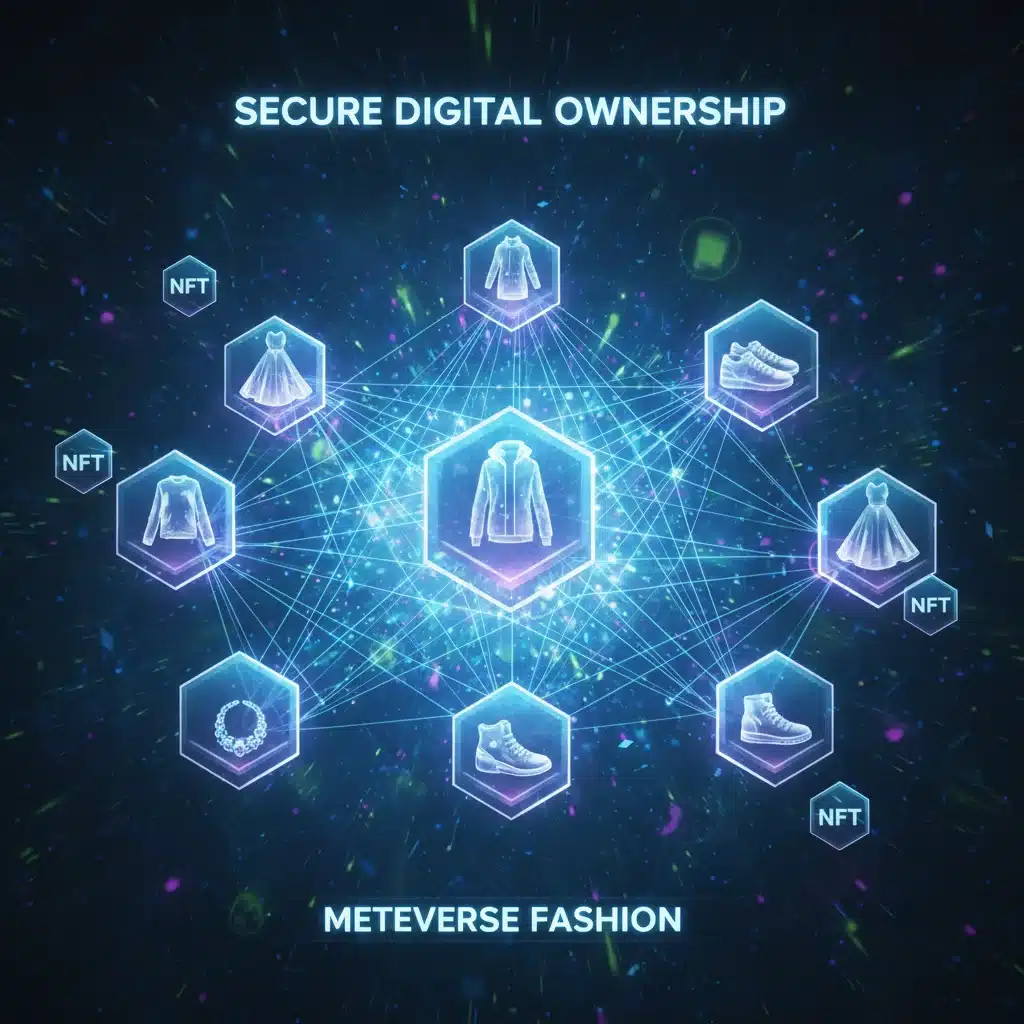
- Non-Fungible Tokens (NFTs): NFTs enable verifiable digital ownership of fashion items, from exclusive virtual garments to digital collectibles linked to physical products. This creates scarcity and value in the digital realm.
- Blockchain Technology: The underlying infrastructure for NFTs, blockchain ensures transparency, security, and traceability of digital assets, building trust within the metaverse economy.
- Decentralized Autonomous Organizations (DAOs): Some forward-thinking brands might explore DAOs for community-led design or governance, giving customers a voice in product development and brand direction.
- Digital Avatars and Identity: Avatars are the consumer’s representation in the metaverse, and digital fashion allows for unparalleled self-expression and identity exploration.
The global metaverse market size is projected to reach trillions in the coming years, with fashion and luxury goods poised to capture a significant share. Early adopters among US fashion brands have already begun experimenting, but a comprehensive metaverse fashion roadmap is crucial for widespread, impactful integration.
Phase 1: Foundation and Exploration (2024-2025)
The initial phase of this metaverse fashion roadmap focuses on building a solid understanding and establishing a preliminary presence. This period is about learning, experimenting, and strategic planning.
1. Internal Education and Strategy Development
The first step is to educate internal teams, from marketing and design to legal and IT, about the metaverse’s potential and challenges. Brands should form a dedicated ‘metaverse task force’ to research trends, analyze competitors, and develop a coherent metaverse strategy aligned with overall business objectives. This includes defining key performance indicators (KPIs) for metaverse initiatives.
2. Platform Selection and Pilot Projects
The metaverse is not a single entity but a collection of interconnected platforms. US fashion brands need to identify which platforms align best with their brand identity and target audience. Popular options include Decentraland, The Sandbox, Roblox, Fortnite, and dedicated brand-specific virtual environments. Starting with small, manageable pilot projects is advisable:
- Virtual Pop-Up Stores: Experiment with a temporary digital storefront in a popular metaverse world to test consumer engagement and gather data.
- NFT Collections: Launch a limited edition NFT collection of digital wearables or collectibles. This could be purely digital or linked to physical products (phygital).
- Avatar Customization: Offer exclusive digital outfits for popular avatar systems, allowing users to express their style within virtual worlds.
These pilot projects provide invaluable insights into consumer behavior, technical requirements, and the economic viability of metaverse ventures. They are crucial for refining the metaverse fashion roadmap.
3. Talent Acquisition and Partnerships
The metaverse requires specialized skills, from 3D designers and blockchain developers to community managers experienced in virtual environments. Brands should consider hiring new talent or upskilling existing employees. Strategic partnerships with metaverse platforms, digital fashion houses, and Web3 agencies can accelerate entry and mitigate risks. Collaborations with digital artists or existing metaverse communities can also boost visibility and authenticity.
Phase 2: Expansion and Integration (2025-2026)
Building on the insights from Phase 1, this stage of the metaverse fashion roadmap focuses on scaling successful initiatives and integrating metaverse activities more deeply into the brand’s core operations.
1. Developing Persistent Virtual Presences
Move beyond temporary pop-ups to establish a more permanent and branded virtual presence. This could involve:
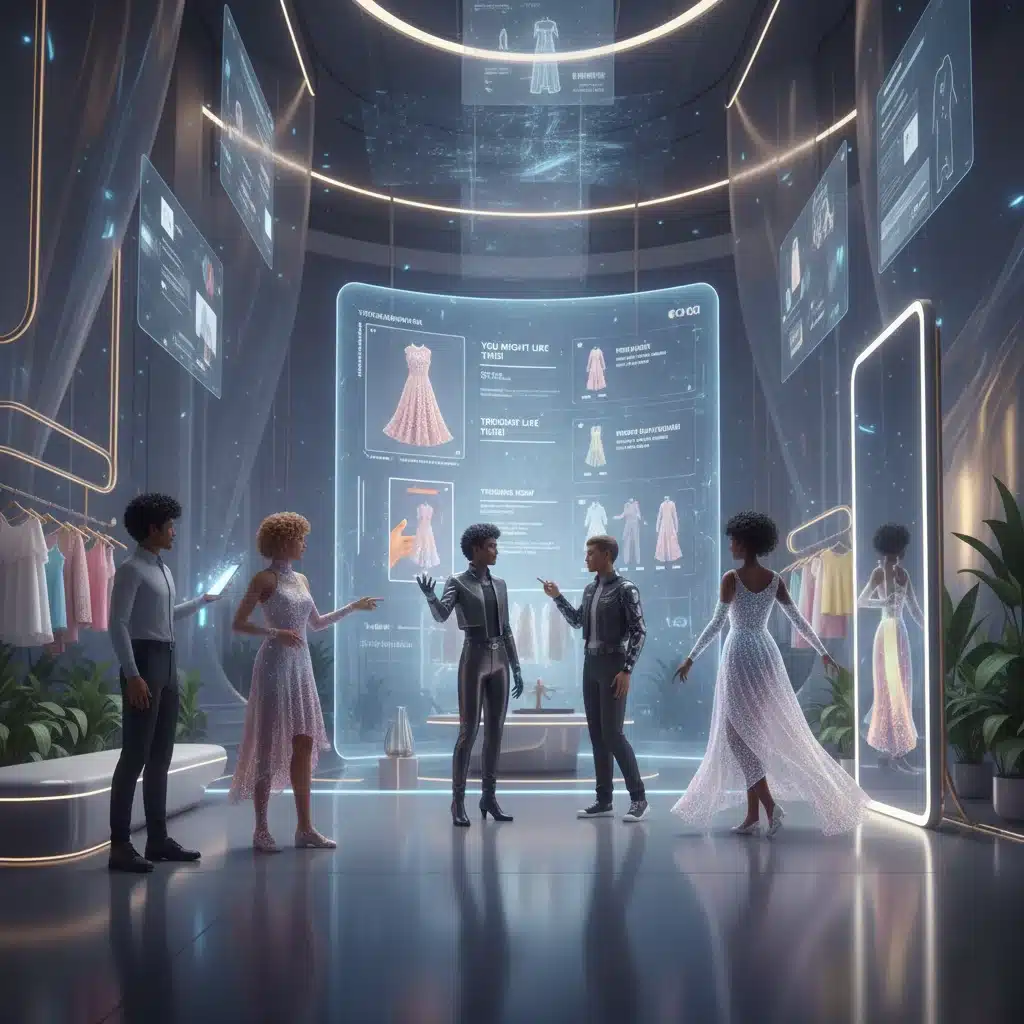
- Flagship Virtual Stores: Create immersive, interactive digital stores that offer unique experiences not possible in physical retail. Think gravity-defying displays, personalized AI stylists, and social shopping features.
- Brand-Owned Metaverse Worlds: For larger brands, developing a proprietary metaverse experience offers complete control over the environment and brand narrative. This allows for highly customized events, games, and content.
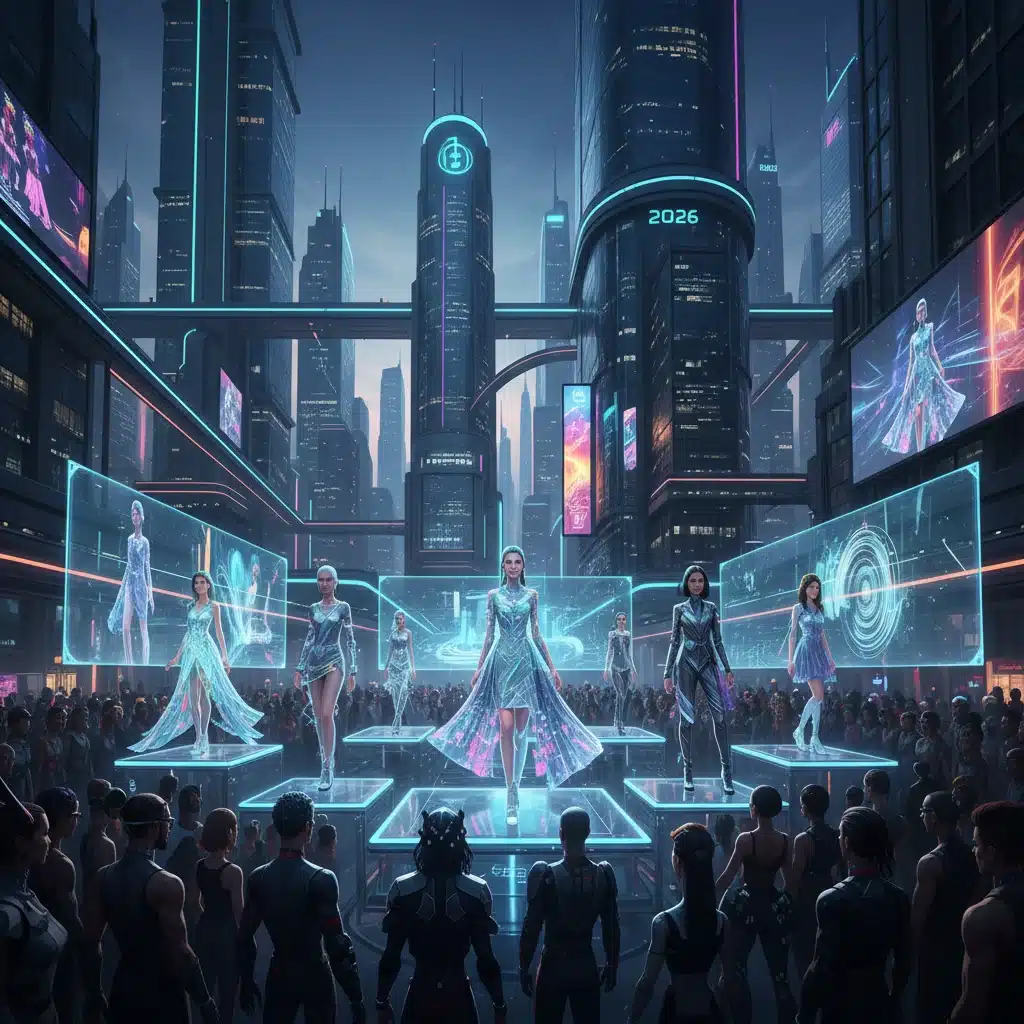
- Virtual Fashion Weeks and Events: Host regular digital fashion shows, product launches, and community events within the metaverse. These can attract a global audience and generate significant buzz.
2. Advanced Digital Product Development
The focus shifts from simple digital twins to innovative, metaverse-native products. This includes:
- Generative AI Design: Explore AI tools to assist in the creation of unique digital garments, patterns, and textures, allowing for rapid iteration and personalization.
- Interactive Wearables: Design digital clothing that reacts to user input, environment changes, or even biometric data, offering a dynamic and personalized experience.
- Phygital Products: Expand on initial NFT experiments by creating more sophisticated phygital offerings – physical items with corresponding digital twins, or digital items that unlock exclusive physical experiences or products. This blurs the lines between the physical and digital, enhancing value for consumers.
- Sustainable Digital Fashion: Focus on creating digital fashion with a minimal environmental footprint. Digital production inherently reduces waste, and brands can highlight this aspect to appeal to eco-conscious consumers.
This phase is about pushing the boundaries of what digital fashion can be, moving beyond mere replication to true innovation within the metaverse fashion roadmap.
3. Building and Nurturing Metaverse Communities
Community is the bedrock of the metaverse. US fashion brands must actively engage with their metaverse audience, fostering loyalty and co-creation. This involves:
- Exclusive Access: Offer NFT holders or active community members exclusive access to new drops, behind-the-scenes content, or direct interaction with designers.
- Co-creation Initiatives: Invite the community to participate in design challenges, vote on future collections, or even submit their own designs, fostering a sense of ownership and belonging.
- Gamification: Integrate gaming elements into metaverse experiences, such as quests to unlock exclusive digital items, leaderboards, or virtual currency rewards.
- Cross-Platform Interoperability: As the metaverse evolves, strive for interoperability, allowing digital assets purchased on one platform to be used on others. This enhances the value proposition for consumers and future-proofs investments.
A strong, engaged community is vital for the long-term success of any metaverse fashion roadmap.
Phase 3: Optimization and Future-Proofing (Beyond 2026)
By 2026, US fashion brands should have a robust and integrated metaverse presence. This final phase focuses on continuous innovation, data-driven optimization, and staying ahead of emerging trends.
1. Data Analytics and Personalization
Leverage data collected from metaverse interactions to understand consumer preferences, optimize product offerings, and personalize experiences. This includes tracking avatar behavior, purchase patterns, and engagement metrics within virtual environments. AI-driven personalization can recommend digital outfits, suggest virtual events, or even tailor the metaverse store layout for individual users.
2. Exploring New Technologies and Use Cases
The metaverse is constantly evolving. Brands must remain agile and explore emerging technologies:
- Haptic Feedback: As haptic technology advances, consider how it can enhance the tactile experience of digital fashion, making virtual garments feel more real.
- Brain-Computer Interfaces (BCI): While still nascent, BCIs could eventually offer new ways to interact with digital fashion and virtual worlds, allowing for thought-controlled customization or expression.
- AI-Powered Virtual Influencers: Develop or collaborate with AI-generated virtual influencers who can showcase digital fashion and engage with audiences in the metaverse.
- Hyper-Realistic Avatars: Invest in technologies that enable highly realistic and customizable avatars, further blurring the lines between physical and digital identity.
3. Legal and Ethical Considerations
As the metaverse matures, so too will its regulatory landscape. US fashion brands must stay abreast of evolving legal frameworks concerning:
- Intellectual Property Rights: Protecting digital designs, trademarks, and brand identity in the metaverse.
- Data Privacy: Ensuring compliance with data protection regulations (e.g., GDPR, CCPA) for user data collected in virtual environments.
- Digital Ownership and Royalties: Establishing clear terms for the ownership and resale of NFTs, including creator royalties.
- Accessibility and Inclusivity: Designing metaverse experiences that are accessible to all users, regardless of ability, and promoting diversity within virtual communities.
- Environmental Impact: While digital fashion can be sustainable, the energy consumption of blockchain technologies needs to be considered. Brands should explore eco-friendly blockchain solutions and transparently communicate their efforts.
Navigating these complexities is a crucial part of a responsible and sustainable metaverse fashion roadmap.
Key Challenges and How to Overcome Them
While the opportunities are vast, US fashion brands will encounter several challenges on their metaverse journey:
- High Entry Barriers: The cost of developing high-quality metaverse experiences and digital assets can be substantial. Start small, leverage partnerships, and prioritize projects with clear ROI potential.
- Technical Complexity: The underlying technologies (blockchain, 3D modeling, VR/AR) are complex. Invest in skilled talent and collaborate with experienced technology partners.
- User Adoption and Education: Many consumers are still unfamiliar with the metaverse. Brands need to simplify onboarding, provide clear value propositions, and educate their audience on how to engage.
- Interoperability Issues: The fragmented nature of the metaverse can limit the transferability of digital assets. Advocate for open standards and design assets with future interoperability in mind.
- Brand Authenticity: Simply porting physical brand elements into the metaverse without genuine innovation can feel inauthentic. Focus on creating unique, metaverse-native experiences that resonate with the digital community.
- Monetization Models: While NFTs and virtual goods sales are primary monetization avenues, brands should explore diverse models like virtual advertising, subscription services for exclusive content, and event ticketing.
Overcoming these challenges requires a flexible, iterative approach and a commitment to continuous learning, which is central to any successful metaverse fashion roadmap.
The Future of Fashion is Digital and Immersive
By 2026, the metaverse will likely be a significant channel for commerce, marketing, and brand building for the fashion industry. US fashion brands that proactively embrace this transformation, guided by a strategic metaverse fashion roadmap, will be well-positioned to capture new markets, foster deeper customer loyalty, and redefine what it means to be a fashion brand in the 21st century.
This journey is not just about selling digital clothes; it’s about pioneering new forms of self-expression, building vibrant communities, and creating immersive experiences that transcend the limitations of the physical world. The brands that succeed will be those that view the metaverse not as a fleeting trend, but as the next frontier of human connection and creativity.
Start your brand’s journey today. The metaverse awaits, offering limitless possibilities for innovation and growth within the dynamic world of fashion.