Monetize Designer Wardrobe: Rent Out Luxury Fashion in the US

Anúncios
Monetize Your Designer Wardrobe: How to Rent Out Your Luxury Fashion Items in the US
In an era where sustainability meets savvy economics, the concept of a circular fashion economy is rapidly gaining traction. For luxury fashion enthusiasts in the United States, this presents an exciting opportunity: to generate significant income by renting out your designer items. Imagine your coveted Chanel bag, your exquisite Gucci dress, or your limited-edition Louis Vuitton scarf not just sitting in your closet, but actively earning you money. This isn’t a futuristic fantasy; it’s the present reality of the burgeoning fashion rental market.
Anúncios
The shift towards renting rather than owning is being driven by several factors: a growing environmental consciousness, the desire for variety without the hefty investment, and the increasing accessibility of high-end fashion through digital platforms. For owners of designer items, this movement offers a compelling proposition: transform your depreciating assets into appreciating income streams. This comprehensive guide will walk you through everything you need to know about how to successfully rent designer items in the US, from understanding the market to maximizing your earnings.
The Rise of the Circular Fashion Economy and Designer Item Rental
The traditional linear model of fashion—buy, wear, discard—is becoming increasingly unsustainable. The environmental impact of textile production, coupled with the rapid pace of trend cycles, has led to a re-evaluation of consumption habits. Enter the circular fashion economy, a system designed to keep resources in use for as long as possible, extracting the maximum value from them whilst in use, then recovering and regenerating products and materials at the end of each service life. Renting is a cornerstone of this model, offering a sustainable alternative to fast fashion and a smart way to enjoy luxury without the full commitment of purchase.
Anúncios
For designer items, the rental market is particularly vibrant. Luxury pieces are often made with superior craftsmanship and materials, designed to last. They also hold significant desirability and status. By enabling others to experience these items, you not only extend their lifecycle but also tap into a market of fashion-conscious consumers who appreciate quality and style but may not be ready or able to purchase outright. This symbiotic relationship benefits both the owner, who earns income, and the renter, who gains access to luxury fashion affordably.
Why Now is the Time to Rent Out Your Designer Items
- Financial Gain: Convert idle assets into a consistent revenue stream. Your designer wardrobe, once a significant expense, can become a source of passive income.
- Sustainability: Contribute to a more sustainable fashion industry by extending the life of luxury garments and reducing textile waste.
- Wardrobe Refresh: The income generated can be reinvested into new pieces, allowing you to continually update your own collection without breaking the bank.
- Community Engagement: Connect with a community of fashion lovers and share your passion for designer pieces.
- Market Growth: The fashion rental market is experiencing exponential growth, with projections indicating a continued upward trajectory. This means more demand for your items.
Understanding the US Designer Rental Market
The US market for renting designer items is diverse and dynamic, with several platforms catering to different segments and types of luxury goods. Before you dive in, it’s crucial to understand the landscape and choose the platform that best aligns with your items and goals.
Key Players in the US Designer Rental Space
Several prominent platforms facilitate the rental of designer fashion. Each has its own commission structure, item requirements, and target audience. Some popular options include:
- Rent the Runway: While primarily a B2C model, Rent the Runway has explored peer-to-peer options. It’s known for a wide array of dresses and accessories.
- Fashionphile/Rebag (Consignment with Rental Potential): While not strictly rental platforms, these high-end consignment sites indicate the strong market for pre-owned luxury, and some are exploring rental models or have sister companies that do.
- Nuuly: A subscription-based rental service offering a mix of contemporary and vintage pieces, including some designer options.
- Smaller, Niche Platforms: Many independent and smaller platforms are emerging, often specializing in specific categories like handbags, jewelry, or specific designer brands. Researching these can sometimes yield better commission rates or more specialized audiences for your unique items.
- Peer-to-Peer Marketplaces: Platforms like By Rotation (though more prominent in the UK, it has a US presence) and others allow individuals to list their own items for rent directly to other users. This model often offers more flexibility and higher earning potential for owners.
When evaluating platforms, consider:
- Commission Rates: How much does the platform take from each rental?
- Insurance and Protection: What happens if an item is damaged, lost, or stolen? Does the platform offer insurance or a guarantee?
- Shipping and Logistics: Who handles shipping? Is it included in the platform’s service or your responsibility?
- Cleaning and Maintenance: Does the platform offer cleaning services, or are you responsible for ensuring items are pristine before and after each rental?
- Target Audience: Does the platform’s user base match the demographic interested in your specific designer items?
Preparing Your Designer Items for Rental
The success of renting out your designer items hinges on meticulous preparation and presentation. Remember, you’re offering a luxury experience, and every detail matters.
Condition is Key
Only items in excellent or pristine condition should be considered for rental. Minor flaws might be acceptable for resale, but for rental, where users expect a near-new experience, perfection is paramount. This includes:
- No visible wear and tear: Scratches, scuffs, stains, missing embellishments, or significant fading can deter renters.
- Functionality: Zippers, buttons, clasps, and straps must be fully functional and secure.
- Originality: Ensure your items are authentic. Most platforms have strict authentication processes.
Professional Cleaning and Maintenance
Before listing, every item should be professionally cleaned. This is especially true for garments. For handbags and accessories, a thorough cleaning and conditioning by a specialist can restore their luster. Document the condition with clear, high-quality photographs before and after cleaning.
Documentation and Authenticity
Gather all original documentation for your designer items: authenticity cards, dust bags, original boxes, and receipts. These not only prove authenticity but also enhance the perceived value and trust for potential renters. High-resolution photos of these documents can be included in your listing.
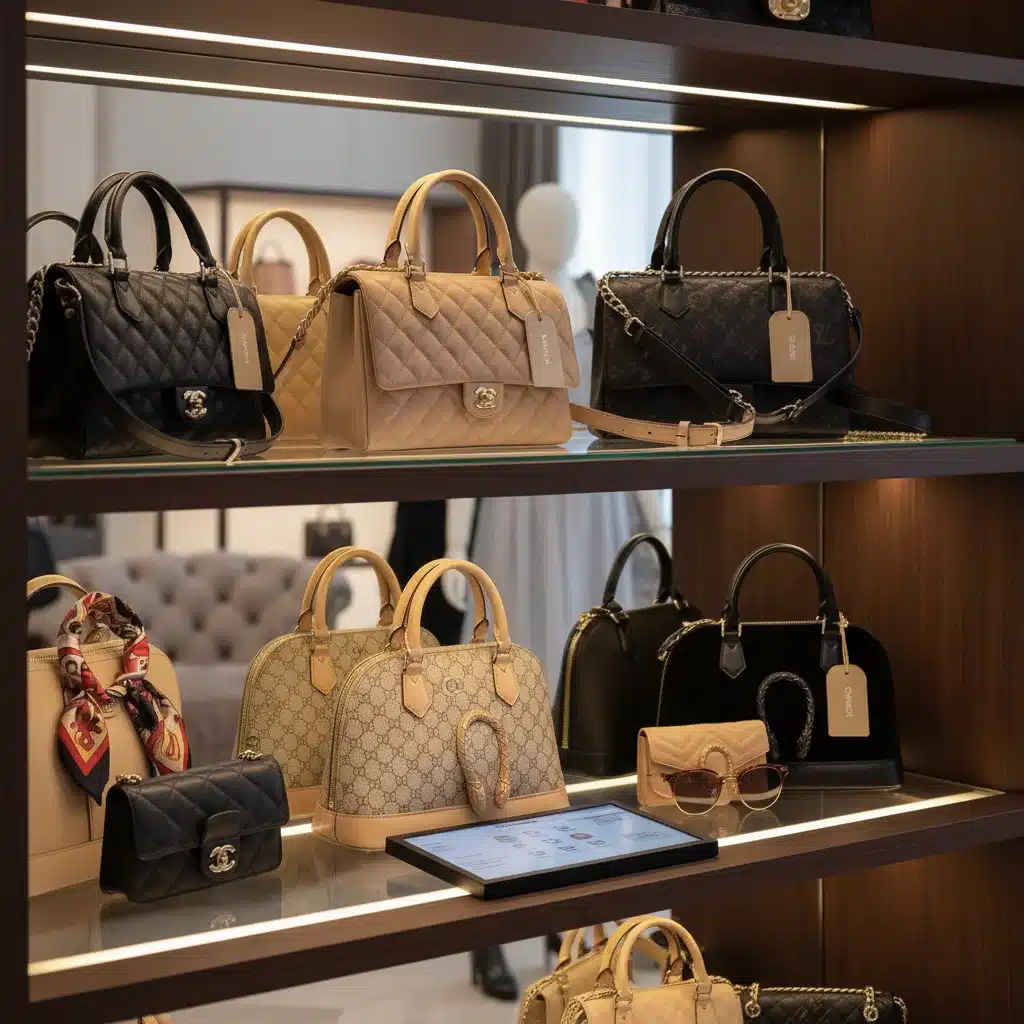
Pricing Your Designer Items for Rental
Setting the right rental price is a delicate balance between attracting renters and maximizing your income. Price too high, and your item sits idle; price too low, and you undervalue your assets. Here’s how to approach pricing:
Research Comparable Rentals
Scour your chosen platforms for similar items. Look at:
- Brand and Model: How much are identical or very similar items renting for?
- Original Retail Price: Rental prices are typically a fraction of the retail price.
- Condition: Items in pristine condition can command higher prices.
- Demand: Is the item currently trending or in high demand? Limited edition or hard-to-find pieces can justify a premium.
- Rental Duration: Most platforms offer daily, weekly, or monthly rental rates. Calculate what works best for your potential earnings.
Consider the Item’s Value and Depreciation
While you’re generating income, your item is still subject to wear and tear, and potential depreciation. Factor this into your pricing model. Some suggest a daily rental rate of 5-10% of the item’s original retail value, adjusting for condition and demand.
Factor in Costs
Don’t forget to account for your own expenses:
- Professional Cleaning: This is a recurring cost.
- Platform Commissions: Deduct this from your expected earnings.
- Shipping Costs (if applicable): If you’re responsible for shipping, factor this in.
- Insurance (if not covered by platform): Consider third-party insurance for high-value items.
Dynamic Pricing Strategies
Some platforms allow for dynamic pricing, where rates can fluctuate based on demand, season, or even upcoming events. For example, a designer gown might fetch a higher price during prom season or awards season. Stay flexible and adjust your prices to market conditions.
Listing Your Items Effectively
A compelling listing is crucial for attracting renters. Think like a marketer and showcase your items in the best possible light.
High-Quality Photography
This cannot be stressed enough. Professional-grade photos are non-negotiable. Include:
- Clear, well-lit images: Use natural light whenever possible.
- Multiple angles: Show the front, back, sides, interior, and any unique details.
- Close-ups: Highlight craftsmanship, hardware, and any branding.
- Lifestyle shots: If possible, show the item being worn or styled to give renters an idea of how it looks in use.
- Condition photos: Transparently show any minor imperfections, if applicable, to manage expectations.
Detailed and Accurate Descriptions
Provide all relevant information:
- Brand and Model: Specific name of the item (e.g., Chanel Classic Flap Bag, Gucci Dionysus).
- Size and Measurements: For clothing, provide exact measurements. For bags, dimensions.
- Material and Color: Be precise.
- Condition: Use objective language (e.g., ‘excellent, no visible wear’ or ‘very good, minor scuff on corner, pictured’).
- Original Retail Price: Helps renters understand the value.
- Styling Tips: Offer suggestions on how to wear or pair the item.
- Authenticity details: Mention authenticity cards, dust bags, etc.
Keywords and SEO
Just like this article, your listing needs to be optimized for search. Use relevant keywords that potential renters might search for (e.g., ‘Chanel bag rental’, ‘Gucci dress for rent’, ‘luxury handbag rental’).
Logistics: Shipping, Returns, and Maintenance
Once your items are listed and generating interest, you need a robust system for handling the practicalities of rental.
Secure Packaging and Shipping
- Use sturdy packaging: Protect your valuable items during transit.
- Tracked and Insured Shipping: Always use shipping services that offer tracking and adequate insurance coverage. This protects you in case of loss or damage.
- Clear Instructions: Include return labels and clear instructions for the renter on how to package and return the item.
Handling Returns and Post-Rental Care
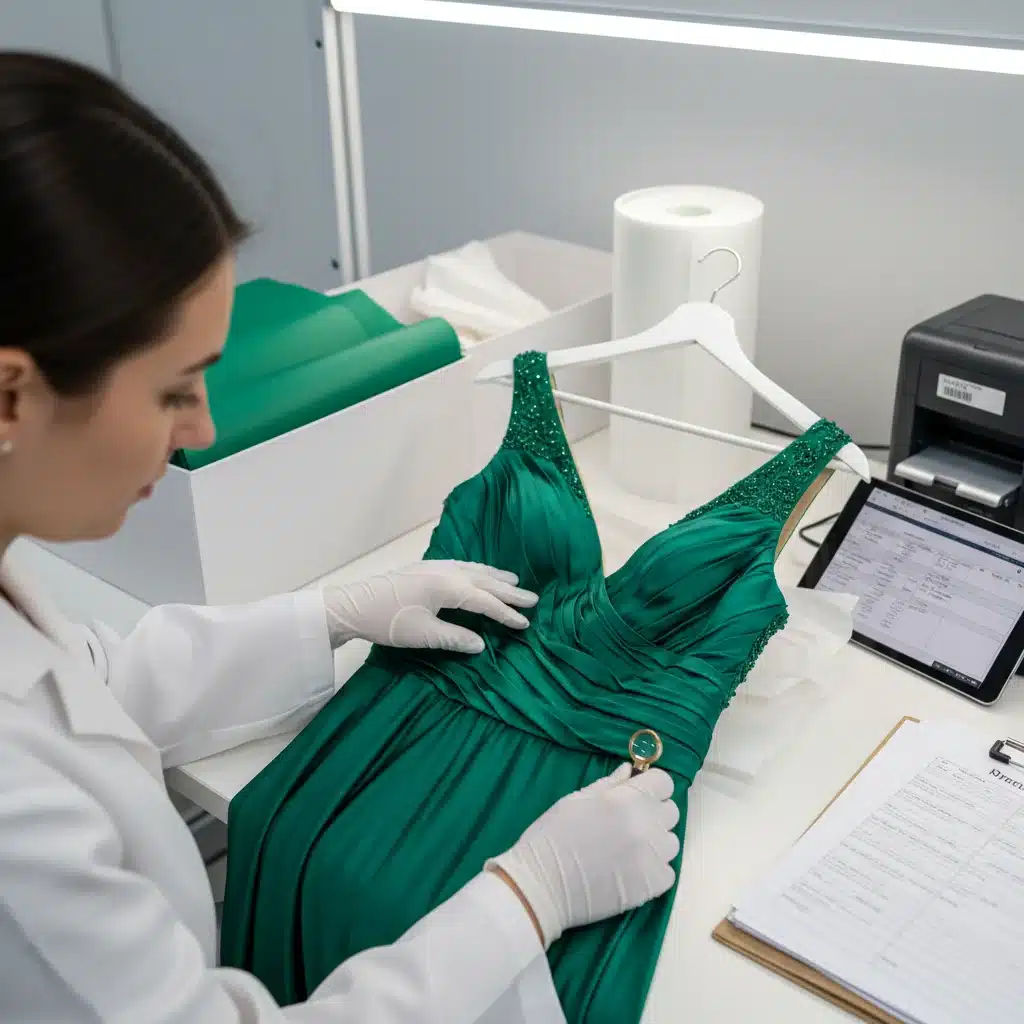
- Prompt Inspection: As soon as an item is returned, inspect it thoroughly against your pre-rental documentation and photos.
- Professional Cleaning: After each rental, the item should undergo professional cleaning before being rented out again. This maintains hygiene and prolongs the item’s life.
- Damage Protocol: Understand and follow the platform’s protocol for handling damaged items. This typically involves photographic evidence and communication with both the renter and the platform’s support team.
Insurance and Damage Protection
This is arguably the most critical aspect of renting out designer items. Understand the insurance policies offered by your chosen platform. Do they cover:
- Minor wear and tear?
- Significant damage?
- Loss or theft?
If the platform’s coverage is insufficient for high-value items, consider purchasing supplementary insurance. Some homeowner’s or renter’s insurance policies may offer coverage for personal property rented out, but it’s essential to confirm the specifics with your provider.
Maximizing Your Earnings and Growing Your Rental Business
Renting out designer items can evolve from a side hustle into a significant income stream with strategic management.
Expand Your Inventory
As you gain experience and generate income, consider expanding your rental inventory. Analyze which items are most popular and in demand, and strategically acquire new pieces that will perform well in the rental market. This doesn’t necessarily mean buying new; you can often find great pieces through consignment, trusted resale sites, or even by swapping with other fashion enthusiasts.
Build a Reputation
On peer-to-peer platforms, your reputation is everything. Consistently provide excellent service:
- Respond promptly to inquiries.
- Ensure items are always as described and in pristine condition.
- Ship on time and provide clear communication.
- Be professional and courteous in all interactions.
Positive reviews will attract more renters and build trust in your offerings.
Stay Informed on Trends
The fashion world is constantly evolving. Keep an eye on current trends and upcoming styles. While classic designer pieces always have appeal, having a few on-trend items can boost your rental frequency. Follow fashion publications, influencers, and runway shows to stay ahead of the curve.
Seasonal Adjustments
Demand for certain items fluctuates seasonally. For example, formal wear may be more popular during holiday seasons or wedding months. Swimwear or resort wear will see higher demand in warmer months. Adjust your pricing and promotions accordingly to capitalize on these peaks.
Network and Collaborate
Engage with the fashion rental community. Connect with other owners, share tips, and even explore collaborative opportunities. This can lead to cross-promotion and expanded reach for your items.
The Future of Designer Fashion Rental in the US
The trajectory for the designer fashion rental market in the US is undeniably upward. Driven by environmental consciousness, economic pragmatism, and a desire for novelty, more consumers are embracing access over ownership. For individuals with a valuable designer wardrobe, this trend translates into a tangible opportunity for income generation and a chance to participate actively in a more sustainable fashion ecosystem.
As platforms evolve and new technologies emerge, the process of renting out your designer items will likely become even more streamlined and secure. From AI-powered authentication to advanced tracking systems, innovation will continue to enhance the rental experience for both owners and renters. By getting involved now, you position yourself at the forefront of this exciting transformation.
Conclusion: Your Wardrobe, Your Income Generator
The opportunity to rent designer items in the US is more than just a trend; it’s a fundamental shift in how we interact with luxury fashion. By thoughtfully preparing your items, strategically pricing them, leveraging the right platforms, and meticulously managing the logistics, you can transform your designer wardrobe from a dormant investment into a dynamic income-generating asset. Embrace the circular fashion economy, contribute to a more sustainable future, and unlock the financial potential hidden within your closet. Start today, and watch your luxury pieces work for you.