Digital Age Fashion Networking: 6 Strategies for US Professionals
Anúncios
In the dynamic and ever-evolving landscape of the US fashion industry, the ability to build and maintain a robust professional network is not just an advantage; it’s a necessity. As we navigate further into the digital age, traditional networking methods have been augmented, and in many cases, transformed by online platforms and virtual interactions. For US fashion professionals looking to expand their reach and secure their place in the industry by 2026 and beyond, mastering digital fashion networking strategies is paramount. This comprehensive guide will delve into six effective approaches to help you forge meaningful connections, discover new opportunities, and elevate your career.
Anúncios
The fashion world, once dominated by exclusive events and in-person showrooms, has embraced a more accessible, yet equally competitive, digital sphere. From emerging designers to seasoned executives, everyone stands to benefit from a well-executed digital networking plan. The key lies in understanding how to leverage these digital tools effectively, maintaining authenticity, and consistently adding value to your network. Let’s explore the strategies that will empower you to thrive.
1. Optimize Your Digital Presence: Your Online Fashion Persona
Your digital presence is often the first impression you make in the contemporary fashion world. Before you even think about reaching out to others, ensure your own online platforms are polished, professional, and authentically represent your brand or expertise. This is a foundational step in effective fashion networking strategies.
Anúncios
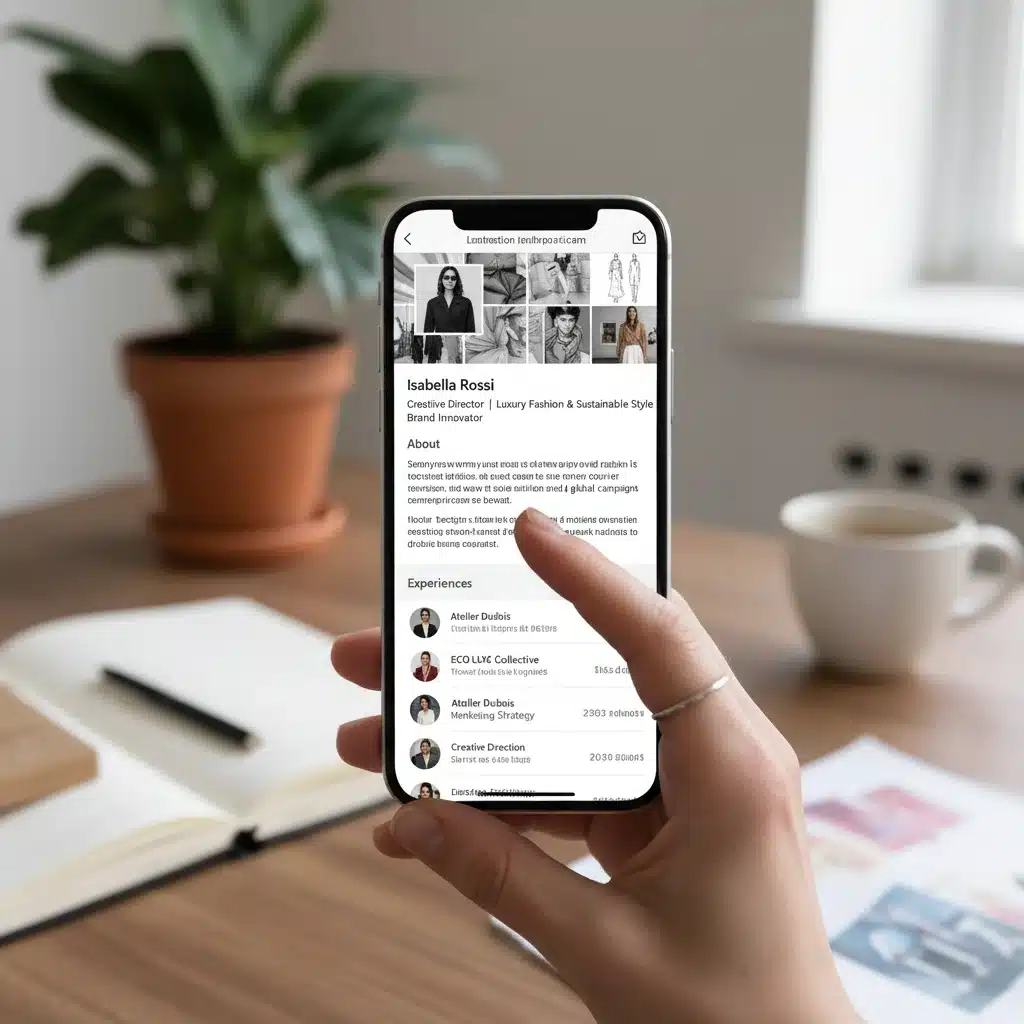
Crafting a Compelling LinkedIn Profile
LinkedIn remains the undisputed king of professional networking platforms. For fashion professionals, it’s more than just a resume; it’s a dynamic portfolio and a window into your professional journey. Ensure your profile is fully optimized:
- Professional Headshot: A high-quality, approachable headshot is crucial.
- Compelling Headline: Beyond your job title, use keywords that describe your expertise and aspirations (e.g., “Sustainable Fashion Designer | Innovator in Eco-Friendly Textiles”).
- Detailed Summary: Tell your story. Highlight your passions, achievements, and what you bring to the fashion industry. Use relevant keywords that industry recruiters and peers might search for.
- Experience and Education: Detail your roles, responsibilities, and, most importantly, your achievements. Quantify results where possible.
- Skills and Endorsements: List relevant skills (e.g., fashion design, merchandising, digital marketing, supply chain management) and seek endorsements from colleagues.
- Portfolio/Media: Link to your online portfolio, Behance, website, or any relevant projects. Visuals are powerful in fashion.
Curating Your Instagram and Other Visual Platforms
For the fashion industry, visual platforms like Instagram, Pinterest, and even TikTok are not just for personal use; they are powerful professional tools. Your feed should reflect your aesthetic, expertise, and professional interests. If you’re a designer, showcase your work; if you’re a stylist, display your styling prowess; if you’re a marketer, share insights or industry trends. Consistency in branding and quality content is key. Remember, these platforms are an extension of your personal brand and can significantly aid your fashion networking strategies.
2. Engage Strategically in Online Communities and Groups
The internet is teeming with niche communities dedicated to various aspects of the fashion industry. Participating in these groups is an excellent way to connect with like-minded professionals, share insights, and establish yourself as a thought leader. This is a proactive approach to fashion networking strategies.
LinkedIn Groups and Industry Forums
Seek out LinkedIn groups focused on sustainable fashion, luxury retail, fashion tech, textile innovation, or regional fashion councils. Don’t just lurk; actively participate. Share insightful comments, ask pertinent questions, and contribute valuable resources. Avoid overt self-promotion; instead, focus on providing value and building genuine connections. The more you engage thoughtfully, the more visible and respected you will become within these circles.
Facebook Groups and Niche Online Forums
While often seen as less formal, Facebook groups can be incredibly active and provide a different dynamic for networking. Look for groups specific to fashion entrepreneurs, local fashion meetups, or even alumni networks from fashion schools. Similarly, specialized online forums or Reddit communities can offer unique opportunities to connect with professionals who share very specific interests or challenges within the fashion industry. Engaging here can lead to unexpected collaborations and deepen your understanding of various industry segments.
3. Leverage Virtual Events and Webinars
The pandemic accelerated the shift to virtual events, and they are here to stay. Virtual fashion weeks, industry conferences, webinars, and online workshops offer unparalleled opportunities to learn, connect, and expand your network without the geographical constraints or travel costs of traditional events. Incorporating these into your fashion networking strategies is essential.
Maximizing Your Virtual Event Experience
- Pre-Event Research: Identify speakers, attendees (if lists are available), and topics of interest. Plan who you want to connect with.
- Active Participation: Use the chat functions, Q&A sessions, and virtual breakout rooms. Ask thoughtful questions that demonstrate your knowledge and engagement.
- Follow-Up: This is critical. After the event, connect with speakers and interesting attendees on LinkedIn. Reference a specific point from their talk or a conversation you had. A personalized message stands out.
- Host Your Own: If you have expertise to share, consider hosting a webinar or an online workshop. This positions you as an expert and attracts relevant professionals to your network.
4. Master the Art of Digital Outreach and Follow-Up
Simply having a strong profile and participating in groups isn’t enough. Proactive digital outreach and diligent follow-up are crucial components of effective fashion networking strategies.
Personalized Connection Requests
When sending a LinkedIn connection request to someone you don’t know personally, always include a personalized message. Explain why you want to connect: perhaps you admire their work, read an article they wrote, or share a common interest. Generic requests are often ignored. For example: “Hi [Name], I truly enjoyed your recent article on sustainable denim innovations. As a designer focusing on eco-friendly materials, I’d love to connect and learn more about your insights.”
Strategic Email Outreach
If you have an email address for someone you wish to connect with, a well-crafted email can be highly effective. Keep it concise, respectful of their time, and clearly state your purpose. Again, personalize it and highlight a shared connection, mutual interest, or specific reason for reaching out. Offer value rather than just asking for something. For instance, you might share a relevant industry report or offer a unique perspective on a topic they’ve discussed.
Consistent Follow-Up
Networking is not a one-time event; it’s an ongoing process. If you’ve connected with someone, make an effort to follow up periodically. This could be a quick message sharing an article you think they’d find interesting, congratulating them on a new achievement, or suggesting a virtual coffee chat. Consistent, non-intrusive follow-up keeps you top-of-mind and strengthens the relationship over time. This consistent effort is a hallmark of successful fashion networking strategies.
5. Create and Share Valuable Content
In the digital age, content is currency. By creating and sharing valuable content, you not only establish your expertise but also attract like-minded professionals to your network. This is a powerful inbound fashion networking strategy.
Blogging and Thought Leadership
Consider starting a blog or regularly publishing articles on platforms like LinkedIn Pulse or Medium. Write about topics you’re passionate about within the fashion industry – sustainable practices, emerging trends, technological advancements, or business insights. This positions you as a thought leader and provides valuable content that others can engage with and share. It’s a natural way to attract connections who value your perspective.
Visual Storytelling and Portfolio Updates
For those in creative roles, visual content is paramount. Regularly update your online portfolio with your latest work, behind-the-scenes glimpses, or conceptual projects. Use platforms like Instagram and Pinterest to tell visual stories about your creative process, inspirations, and finished pieces. High-quality visual content not only showcases your talent but also serves as a conversation starter and a magnet for potential collaborators and employers. Engaging with other creators’ content also fosters reciprocal engagement, enhancing your fashion networking strategies.
Engaging with Industry News and Trends
Beyond creating your own content, actively engage with industry news. Share articles from reputable sources, add your unique commentary, and tag relevant individuals or organizations. This demonstrates your awareness of current events and your ability to contribute to industry discussions. Participating in these conversations on platforms like Twitter or LinkedIn can significantly broaden your reach and introduce you to new connections.

6. Cultivate Authentic Relationships and Offer Value
At its core, networking, whether digital or in-person, is about building genuine relationships. The digital realm offers efficiency, but authenticity is what truly builds lasting connections. This is the most crucial of all fashion networking strategies.
Focus on Giving Before Receiving
Approach networking with a mindset of generosity. Instead of immediately thinking about what someone can do for you, consider what value you can offer them. Can you share a helpful resource? Make an introduction? Offer a unique perspective? When you consistently offer value, people are more likely to reciprocate and remember you positively.
Schedule Virtual Coffee Chats
Once you’ve established an initial connection online, suggest a brief virtual coffee chat. A 15-20 minute video call can transform a digital acquaintance into a more substantial connection. It allows for a more personal interaction, where you can learn about their work, share your own experiences, and explore potential synergies. These informal chats are invaluable for deepening relationships and understanding how your paths might intersect in the future. This human element is vital for effective fashion networking strategies.
Be Patient and Persistent
Building a strong network takes time and consistent effort. Not every connection will lead to an immediate opportunity, and that’s perfectly fine. Focus on nurturing relationships over the long term. Be patient, persistent, and always strive to be a valuable and reliable member of your professional community. The benefits of a strong network often manifest in unexpected ways and at unexpected times.
Attend Hybrid Events
As the world reopens, hybrid events – those with both in-person and virtual components – are becoming more common. These offer the best of both worlds. Attend the virtual sessions to learn and connect with a wider audience, and if possible, attend the in-person components to solidify digital connections and make new ones face-to-face. This blended approach is increasingly important for comprehensive fashion networking strategies.
The Future of Fashion Networking in 2026 and Beyond
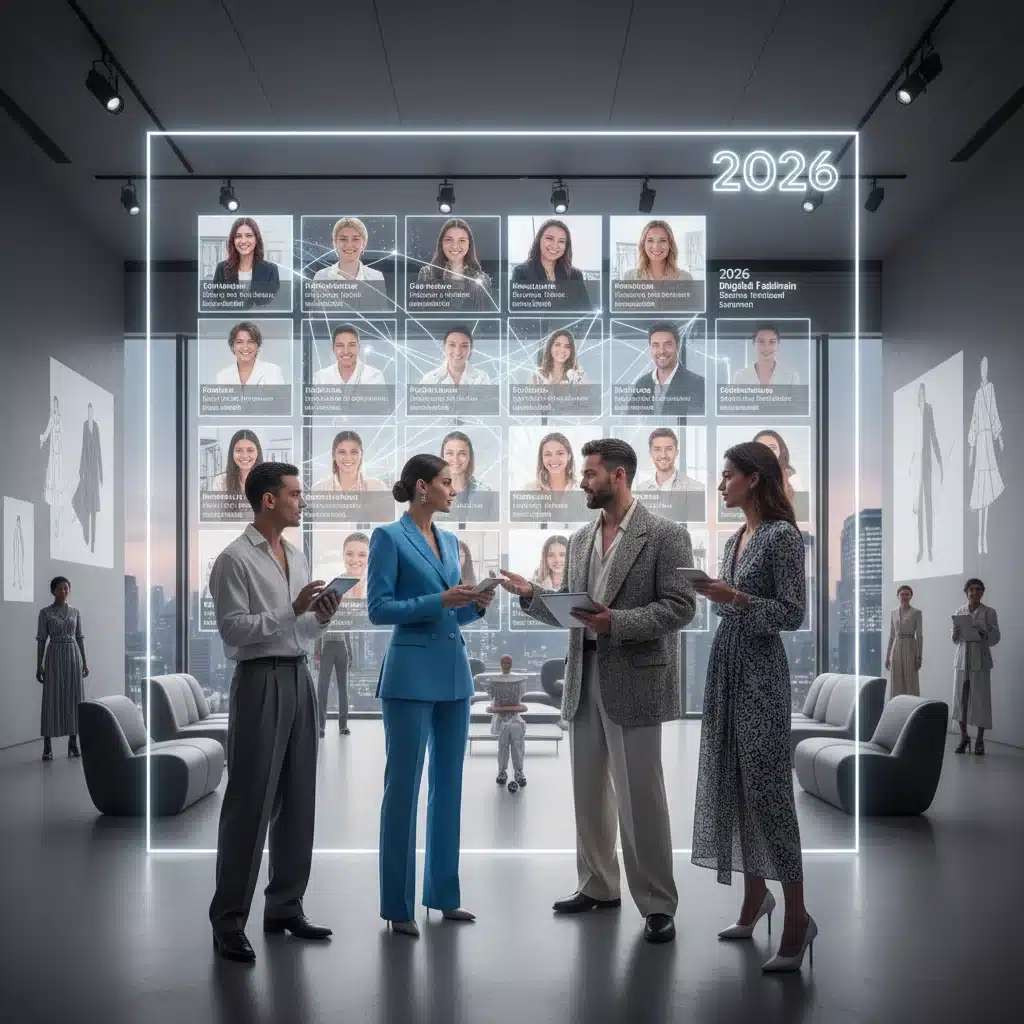
The US fashion industry is characterized by rapid change, driven by technological advancements, evolving consumer behaviors, and a growing emphasis on sustainability and inclusivity. As we look towards 2026, the importance of digital fashion networking strategies will only intensify. Artificial intelligence and virtual reality might even play a larger role in facilitating connections, creating immersive networking experiences that transcend geographical boundaries.
Professionals who adapt to these changes and proactively embrace digital tools will be best positioned for success. The ability to articulate your personal brand online, engage meaningfully in virtual spaces, and translate digital connections into real-world opportunities will be a defining skill. Remember that while the tools may evolve, the core principles of networking – building trust, offering value, and fostering genuine relationships – remain timeless.
By consistently applying these six strategies, US fashion professionals can not only expand their reach but also cultivate a powerful network that supports their career growth, fuels innovation, and helps them navigate the complexities of the modern fashion landscape. Start optimizing your digital presence today, engage thoughtfully, and watch your professional network flourish.
Key Takeaways for Effective Fashion Networking:
- Optimize Your Digital Persona: Ensure LinkedIn and visual platforms are professional and reflect your brand.
- Engage in Online Communities: Actively participate in industry-specific groups and forums.
- Leverage Virtual Events: Maximize learning and connection opportunities from webinars and online conferences.
- Master Digital Outreach: Personalize connection requests and follow-ups.
- Create Valuable Content: Share your expertise through blogging, portfolios, and industry discussions.
- Cultivate Authentic Relationships: Focus on giving value and building genuine, long-term connections.
Embrace the digital age as an opportunity to revolutionize your approach to fashion networking strategies. The connections you make today will undoubtedly shape your success in the years to come.