From Runway to Sidewalk: 5 High-Fashion Elements Integrated into 2026 Street Style
Anúncios
Fashion is a constantly evolving dialogue between aspiration and reality, a delicate dance between the avant-garde visions of the runway and the practical, rebellious spirit of the street. For decades, the two existed in separate, albeit influential, spheres. The runway dictated, and the street adapted. However, as we step into 2026, this dynamic has shifted dramatically. The lines have blurred, and a fascinating synergy has emerged where high-fashion elements are not just inspiring street style but are being directly integrated, reimagined, and owned by the fashion-forward individual. This isn’t just about trickle-down fashion; it’s a vibrant, two-way conversation that defines the contemporary sartorial landscape. Understanding this fusion is key to mastering modern aesthetics, and it’s precisely what we’ll explore as we delve into the five high-fashion elements that are dominating 2026 street style.
Anúncios
The impact of runway shows extends far beyond the exclusive circles of fashion week attendees. In an age of instant digital dissemination, trends are no longer confined to glossy magazines or high-end boutiques. Social media platforms, fashion blogs, and online communities act as accelerants, democratizing access to the latest collections and allowing individuals to interpret and adopt them with unprecedented speed. This phenomenon has given rise to a street style that is more sophisticated, more experimental, and deeply intertwined with the narratives spun on the catwalks of Paris, Milan, New York, and London. From innovative silhouettes to sustainable practices, the influence is undeniable and transformative.
Architectural Silhouettes: Sculpting the Urban Landscape
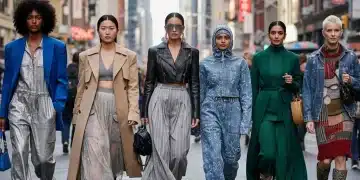
One of the most striking high-fashion elements to seamlessly transition into 2026 street style is the embrace of architectural silhouettes. Gone are the days when structure was solely reserved for couture gowns or avant-garde presentations. Today, the urban landscape is a canvas for bold, sculptural forms that redefine the human figure. Think exaggerated shoulders, voluminous sleeves, and deconstructed tailoring that plays with proportion and negative space. This trend is a direct descendant of designers who have long explored the boundaries of form and function, turning garments into wearable art.
In 2026, we see this manifest in oversized blazers with sharply defined shoulder pads that create a powerful, almost geometric upper body. Trousers feature wide, often pleated legs that maintain their shape, creating a columnar effect. Skirts are no longer merely draped but are designed with strategic pleats, ruffles, or internal structures that give them a distinct, almost rigid form. This isn’t about being uncomfortable; it’s about intelligent design that uses innovative fabrics and construction techniques to maintain shape while allowing for movement and practicality. The appeal lies in its ability to make a statement without relying on overt embellishment. The garment itself, through its form, becomes the focal point, reflecting a confidence and a discerning eye for design.
Anúncios
The key to integrating architectural silhouettes into everyday street wear is balance. A voluminous top might be paired with a more fitted bottom, or vice versa, to avoid overwhelming the wearer. Fabric choice is also crucial; stiffer materials like heavy cotton twills, structured wools, and even technical nylons are favored for their ability to hold shape. The result is a street style that feels both cutting-edge and effortlessly chic, demonstrating a sophisticated understanding of contemporary fashion. This trend isn’t just about looking good; it’s about wearing confidence and making a visual impact that speaks volumes about one’s style acumen.
The runway has consistently pushed the boundaries of what clothing can be, and these architectural forms are a testament to that ongoing innovation. When these elements hit the street, they are often softened or recontextualized, but their core essence of structural integrity remains. This fusion creates a street style that is both accessible and aspirational, allowing individuals to partake in the larger narrative of fashion evolution. The juxtaposition of a meticulously structured jacket with casual denim, for example, creates a dynamic tension that is inherently stylish and distinctly 2026.
Utilitarian Luxe: The Marriage of Function and Opulence
Another significant high-fashion element permeating 2026 street style is what we’re calling ‘Utilitarian Luxe’. This trend sees the practical, functional details traditionally found in workwear, military apparel, and outdoor gear elevated with luxurious fabrics, refined finishes, and designer sensibilities. The result is clothing that is not only highly functional but also exude an undeniable sense of opulence and sophistication. This is a direct response to a consumer desire for garments that are versatile, durable, and yet still aesthetically pleasing – a far cry from the purely decorative pieces of previous eras.
On the runway, designers have been showcasing cargo pants in silk, jumpsuits in cashmere, and utility vests crafted from fine leather. These pieces maintain their characteristic pockets, buckles, and adjustable straps, but the material choices and meticulous construction transform them into something entirely new. For 2026 street style, this translates into everyday wear that feels both practical and indulgent. Think cargo trousers made from a beautifully draped wool blend, technical jackets with intricate detailing and high-performance yet soft-touch fabrics, or boiler suits in rich, earthy tones made from premium cotton twill.
The appeal of utilitarian luxe lies in its understated elegance. It’s a pragmatic approach to luxury, where comfort and functionality are not sacrificed for style, but rather become integral components of it. Details like robust zippers, reinforced seams, and multiple pockets are not merely decorative; they serve a purpose, yet they are executed with such precision and quality that they contribute to the garment’s overall luxurious feel. This trend speaks to a modern consumer who values longevity, versatility, and intelligent design. It’s about investing in pieces that can withstand the rigors of daily life while still making a sophisticated statement.
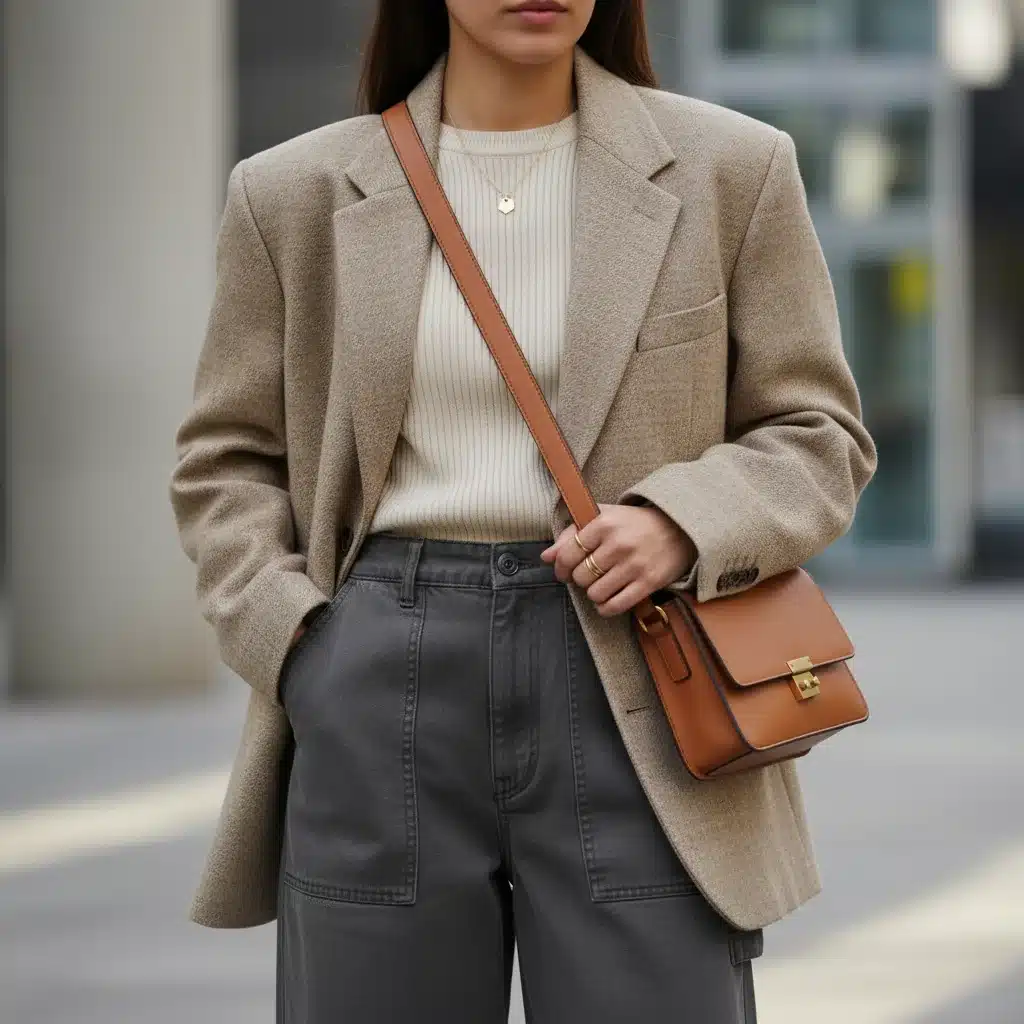
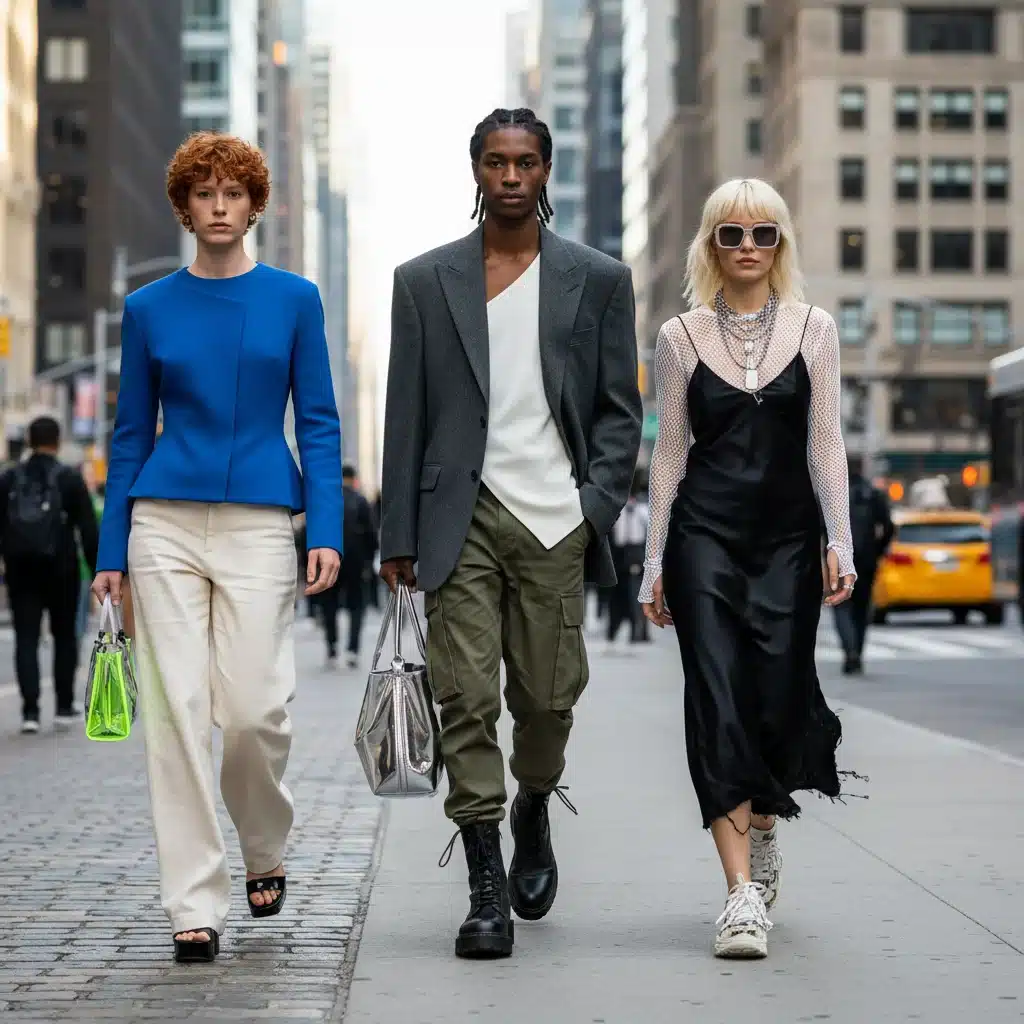
Styling utilitarian luxe involves embracing the inherent contradiction of the trend. Pair a luxurious cargo pant with a sleek, minimalist top and high-quality sneakers for a balanced look. Or, layer a finely crafted utility vest over a tailored shirt. The key is to let the quality of the materials and the thoughtful design details shine through. This trend is particularly popular among those who appreciate a less ostentatious form of luxury, preferring garments that speak to craftsmanship and intelligent design rather than overt branding. It’s a sophisticated evolution of street style that prioritizes intelligent functionality wrapped in a luxurious package.
Deconstructed and Reconstructed Garments: A Play on Convention
The spirit of rebellion and innovation, long a hallmark of high fashion, finds its way into 2026 street style through deconstructed and reconstructed garments. This trend challenges traditional notions of garment construction, taking apart familiar silhouettes and reassembling them in new, often unexpected ways. It’s a celebration of imperfection, asymmetry, and the beauty found in the unfinished or repurposed, directly influenced by designers who have masterfully played with these concepts for decades.
Deconstruction involves exposing the inner workings of a garment – raw edges, visible seams, unfinished hems, and exposed linings – turning what was once hidden into a deliberate design feature. Reconstruction, on the other hand, takes existing garments or fabric scraps and reassembles them to create something entirely new, often resulting in hybrid pieces or garments with an eclectic, patched-together aesthetic. For 2026 street style, this manifests in a myriad of ways: denim with artfully frayed edges and strategic rips that look intentionally crafted rather than accidentally worn; blazers with exposed shoulder pads or seams that run externally; shirts with mismatched panels or uneven hemlines; and skirts fashioned from multiple fabric types stitched together.
This trend is deeply rooted in a desire for individuality and a rejection of mass-produced uniformity. It allows for personal expression and creativity, as individuals can either purchase pre-deconstructed pieces or embark on their own DIY projects to customize their wardrobes. The beauty of deconstruction and reconstruction lies in its ability to transform the ordinary into the extraordinary, giving new life to familiar shapes and textures. It’s a statement against perfection, embracing a more authentic, lived-in aesthetic that resonates with a generation seeking uniqueness.
To incorporate deconstructed and reconstructed elements into your 2026 street style, start with one statement piece. A reconstructed denim jacket can be paired with classic trousers, or a deconstructed skirt can be balanced with a simple, solid-colored top. The key is to let the unique nature of the garment be the star. This trend also often involves a nuanced understanding of layering, where different textures and forms are brought together to create a cohesive yet dynamic look. It’s about looking effortlessly cool, as if you’ve stumbled upon a truly unique piece that tells a story, which is precisely the allure of this high-fashion influence on the street.
Bold and Experimental Color Palettes: A Spectrum of Expression
While classic neutrals will always have their place, 2026 street style is witnessing a vibrant explosion of bold and experimental color palettes, a direct echo of the daring chromatic choices seen on recent runways. Designers are moving beyond seasonal color trends to embrace a more nuanced and personal approach to color, encouraging individuals to express themselves through unexpected combinations and saturated hues. This isn’t just about wearing bright colors; it’s about a sophisticated understanding of color theory and a willingness to push boundaries.
On the runway, we’ve seen clashing neons paired with earthy tones, monochromatic looks in electric blues or fiery oranges, and intricate patterns that blend unconventional shades. This translates to the street in several exciting ways. Color blocking is making a strong comeback, but with more adventurous pairings – think a bright fuchsia top with olive green trousers, or a cobalt blue jacket over a mustard yellow dress. Saturated single-color outfits, often in unexpected shades like deep emerald, rich plum, or vibrant teal, are also a popular choice, creating a powerful and cohesive statement. Furthermore, patterns are becoming more abstract and colorful, moving away from traditional florals or geometrics to more artistic, painterly prints.
The psychological impact of color is also a key factor. In a world often characterized by uncertainty, bold colors offer a sense of optimism, energy, and individuality. They allow wearers to stand out, to communicate their mood, and to inject personality into their daily ensembles. This trend encourages a playful approach to dressing, inviting individuals to experiment with shades they might have previously shied away from. It’s about breaking free from conventional color rules and creating a personal aesthetic that is both expressive and memorable.
To embrace bold and experimental color palettes in your street style, start small if you’re hesitant. Integrate a single brightly colored accessory – a bag, shoes, or a scarf – into an otherwise neutral outfit. As you gain confidence, move on to color-blocked pieces or a full monochromatic look in a striking hue. The key is to consider the overall harmony of your outfit, even when experimenting with bold contrasts. This high-fashion influence ensures that 2026 street style is anything but boring, turning every sidewalk into a vibrant canvas of personal expression.
Sustainable Luxury: Conscious Consumption Meets High-End Aesthetics
Perhaps one of the most profound and impactful high-fashion elements to fully integrate into 2026 street style is the concept of sustainable luxury. This isn’t merely a trend; it’s a paradigm shift, reflecting a growing global consciousness about environmental responsibility and ethical production. Runway designers are increasingly prioritizing sustainable materials, circular design principles, and transparent supply chains, and this ethos is now deeply embedded in the choices of the discerning street style enthusiast.
Sustainable luxury on the runway often involves exquisite craftsmanship using innovative eco-friendly materials – think vegan leathers derived from fruit waste, recycled ocean plastics transformed into luxurious fabrics, organic cottons and silks produced with minimal environmental impact, and upcycled vintage textiles. The emphasis is on quality, longevity, and timeless design, moving away from fast fashion’s disposable mentality. For 2026 street style, this means a greater appreciation for well-made, durable pieces that are designed to last. Consumers are actively seeking out brands that are transparent about their ethical practices and are willing to invest in garments that align with their values.
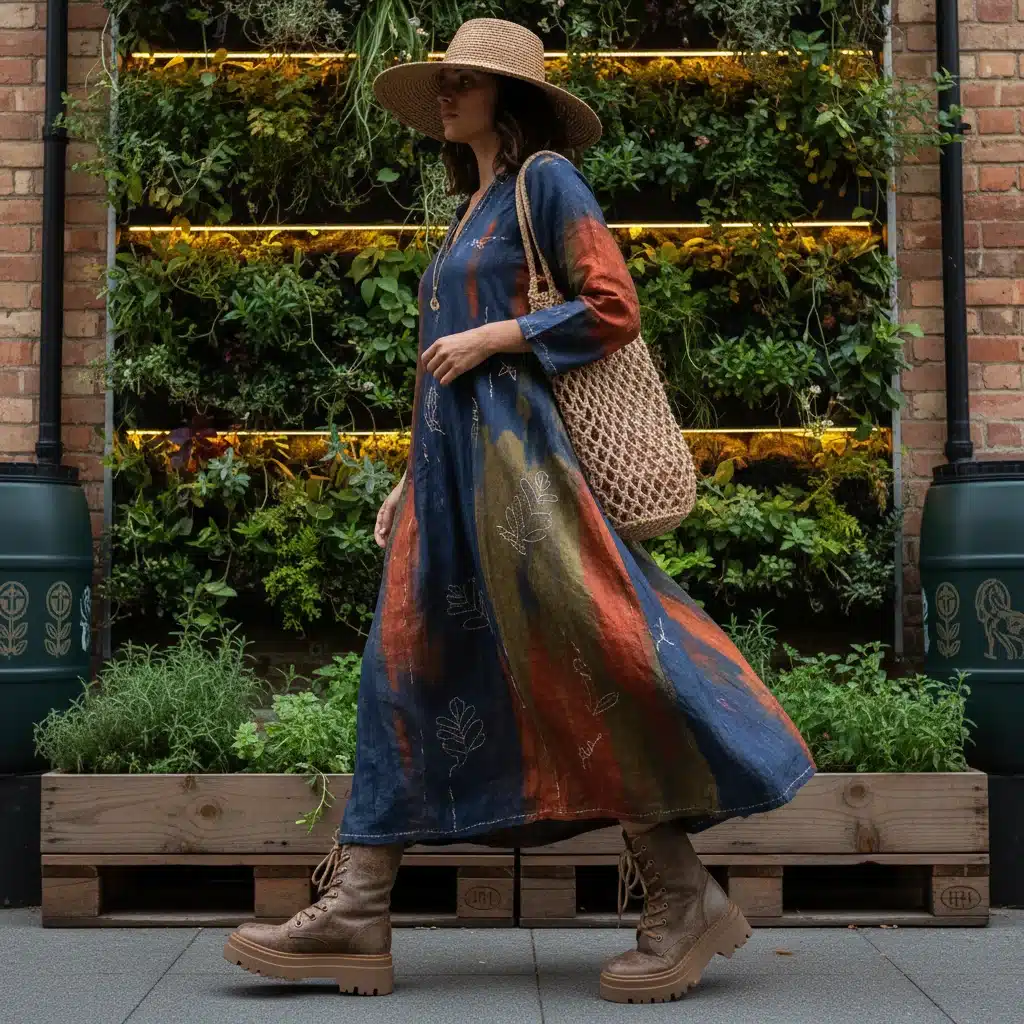
This trend extends beyond just material choices. It encompasses the entire lifecycle of a garment, from its origin to its end. Street style in 2026 often features vintage finds, artfully mended pieces, and garments that have been repurposed or upcycled, showcasing a creative approach to consumption. There’s a pride in wearing something with a story, something that has been given a second life, or something that supports a brand committed to positive social and environmental change. The ‘luxury’ aspect comes from the inherent value of ethical production, the superior quality of sustainable materials, and the exclusivity of unique, often handcrafted, items.
Incorporating sustainable luxury into your street style involves making conscious purchasing decisions. Research brands, look for certifications, and prioritize quality over quantity. Explore second-hand markets, vintage stores, and consignment shops for unique treasures. Consider investing in custom-made or ethically produced pieces that will stand the test of time. This high-fashion element not only elevates your personal style but also allows you to be a part of a larger movement towards a more responsible and equitable fashion industry. It’s a powerful statement that style and sustainability are not mutually exclusive, but rather, beautifully intertwined.
The Future is Now: Runway Meets Reality
The integration of high-fashion elements into 2026 street style is a testament to the dynamic and evolving nature of the fashion world. The boundaries between the aspirational and the attainable have dissolved, giving rise to a sartorial landscape that is rich in creativity, individuality, and conscious decision-making. From the bold statements of architectural silhouettes to the considered choices of sustainable luxury, these five elements are not just trends; they are indicators of a profound shift in how we perceive and interact with clothing.
The modern fashion enthusiast is no longer a passive consumer but an active participant, interpreting runway visions and adapting them to their personal narratives. This symbiotic relationship between high fashion and street style enriches both, pushing designers to innovate further and empowering individuals to express themselves with unprecedented freedom. As we continue through 2026 and beyond, this fusion promises to deliver an even more exciting and diverse range of aesthetics, proving that true style is found at the intersection of innovation, personal expression, and a keen awareness of the world around us.
Embracing these elements means not just following trends, but understanding the underlying philosophies that drive them. It’s about appreciating the craftsmanship behind an architectural blazer, the thoughtful design in utilitarian luxe, the artistic rebellion of deconstructed garments, the emotional impact of bold colors, and the ethical imperative of sustainable luxury. Each of these components contributes to a richer, more meaningful approach to dressing, transforming everyday street style into a powerful form of self-expression and cultural commentary. The runway has opened its doors, and the street has eagerly walked in, creating a fashion dialogue that is vibrant, inclusive, and undeniably forward-thinking.
Ultimately, the beauty of 2026 street style lies in its ability to democratize high fashion. What was once exclusive is now accessible, not in terms of price point necessarily, but in terms of inspiration and aesthetic adoption. Individuals are empowered to curate their own looks, blending these runway-inspired elements with their unique personalities to create something truly original. This evolution signifies a mature and confident approach to fashion, where personal style is paramount, and the influences are drawn from the very best of what the design world has to offer. The conversation between the runway and the street continues, promising an even more exciting future for fashion.