Street Style Photography: Capturing the Best Looks of Early 2026
The urban landscape has always been a dynamic runway, a living, breathing gallery of personal expression and evolving trends. As we step into early 2026, Street Style Photography continues to be a powerful medium for documenting the pulse of contemporary fashion. It’s more than just snapping pictures; it’s about storytelling, capturing fleeting moments of individuality, and preserving the sartorial zeitgeist of our cities. This comprehensive guide will equip you with the knowledge and techniques to excel in Street Style Photography, ensuring you not only capture stunning images but also do so ethically and effectively.
Anúncios
The Essence of Street Style Photography: More Than Just Clothes
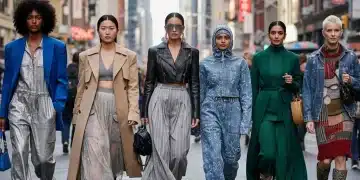
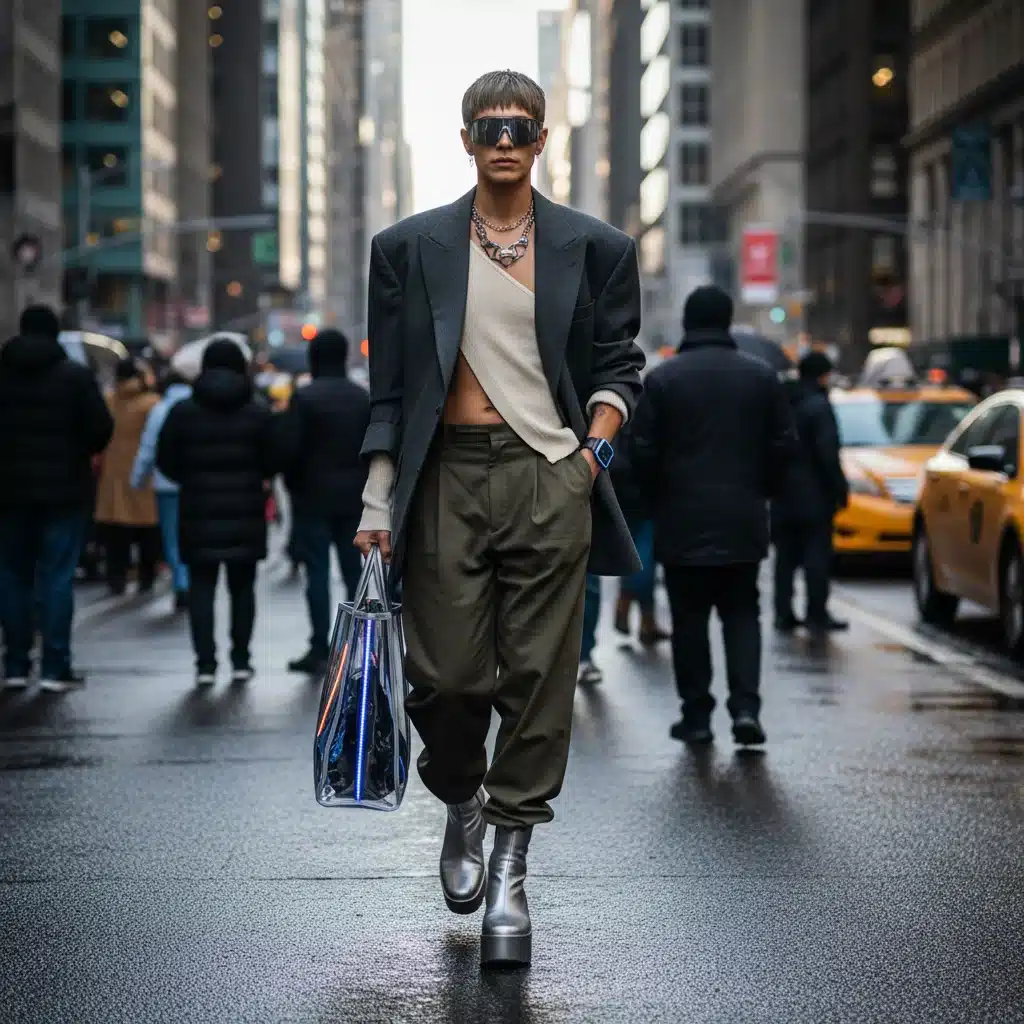
At its core, Street Style Photography is about authenticity. Unlike studio fashion shoots, it thrives on spontaneity and the unscripted. It’s about observing, anticipating, and reacting to the visual symphony of urban life. In early 2026, we’re seeing a fascinating blend of minimalist aesthetics with bold, experimental elements. Think sustainable fashion choices, gender-fluid silhouettes, and a resurgence of vintage-inspired pieces reimagined with a modern twist. The challenge, and the beauty, lies in capturing these nuances in their natural habitat.
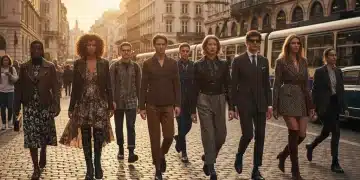
Understanding the context is crucial. A great street style photograph doesn’t just show an outfit; it reveals a fragment of a person’s story, their mood, and how they interact with their environment. The backdrop – be it a graffiti-laden wall, a bustling coffee shop, or a quiet cobblestone alley – plays an integral role in framing the narrative. Photographers who master this art are not merely documentarians; they are cultural commentators, offering a visual diary of our collective style evolution.
Anúncios
Furthermore, the rise of social media platforms has elevated the importance of Street Style Photography. What was once a niche pursuit for fashion enthusiasts has become a global phenomenon, influencing trends and inspiring countless individuals. A well-executed street style shot can go viral, shaping perceptions and launching careers. Therefore, honing your skills in this genre is not just personally rewarding but can also open doors to exciting opportunities in the fashion industry.
Gear Essentials for Aspiring Street Style Photographers
While the ‘best’ camera is always the one you have with you, certain gear can significantly enhance your Street Style Photography endeavors. For early 2026, the trend continues towards compact, high-performance mirrorless cameras that offer excellent image quality without being overly conspicuous.
Camera Bodies: Discreet Powerhouses
- Mirrorless Cameras: Brands like Sony (Alpha series), Fujifilm (X-T and X-Pro series), and Canon (EOS R series) offer superb mirrorless options. Their smaller form factor and silent shooting capabilities are invaluable for discreet street shooting. Look for models with fast autofocus systems, good low-light performance, and in-body image stabilization (IBIS) for sharp handheld shots.
- Full-Frame vs. APS-C: Full-frame sensors offer superior low-light performance and shallower depth of field, which can be advantageous for isolating subjects. However, APS-C cameras are lighter, often more affordable, and with modern sensor technology, can produce excellent results.
Lenses: Your Eye on the Street
The choice of lens is paramount in Street Style Photography. Prime lenses (fixed focal length) are often preferred for their sharpness, wider apertures (great for bokeh and low light), and smaller size. They also encourage you to ‘zoom with your feet,’ leading to more dynamic compositions.
- 35mm (full-frame equivalent): This is arguably the most versatile focal length for street photography. It offers a natural perspective, wide enough to capture environmental context but close enough for compelling portraits.
- 50mm (full-frame equivalent): Often referred to as the ‘nifty fifty,’ this lens provides a perspective similar to the human eye, making it excellent for individual portraits and capturing details. Its wide aperture is fantastic for separating your subject from a busy background.
- 85mm (full-frame equivalent): While longer, an 85mm lens can be excellent for isolating subjects from a distance, creating beautiful background blur, and capturing intimate moments without being intrusive.
- Zoom Lenses: A versatile zoom like a 24-70mm f/2.8 or a 28-75mm f/2.8 can offer flexibility, especially when you’re starting out or don’t want to carry multiple primes. However, they are typically larger and heavier.
Essential Accessories
- Extra Batteries: Street photography can be demanding on battery life, especially with mirrorless cameras. Always carry at least two spare batteries.
- Comfortable Strap: A good camera strap (e.g., a sling strap or a comfortable neck strap) will make a huge difference during long hours of shooting.
- Memory Cards: Fast, high-capacity SD cards are a must to avoid missing shots and to handle RAW files.
- Weather Sealing: If you plan to shoot in various conditions, a camera and lens with weather sealing will protect your investment.
Mastering Techniques for Capturing Early 2026 Fashion
Beyond the gear, your technique is what truly defines your Street Style Photography. It’s a blend of technical proficiency, artistic vision, and a keen understanding of human behavior.
Observation and Anticipation
The most successful street style photographers are excellent observers. They learn to predict movement, anticipate expressions, and spot interesting interactions. Spend time in high-traffic areas, but also explore quieter streets where unique individuals might emerge. Look for interesting light, compelling backdrops, and subjects who exude confidence and style.
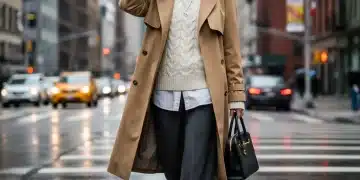
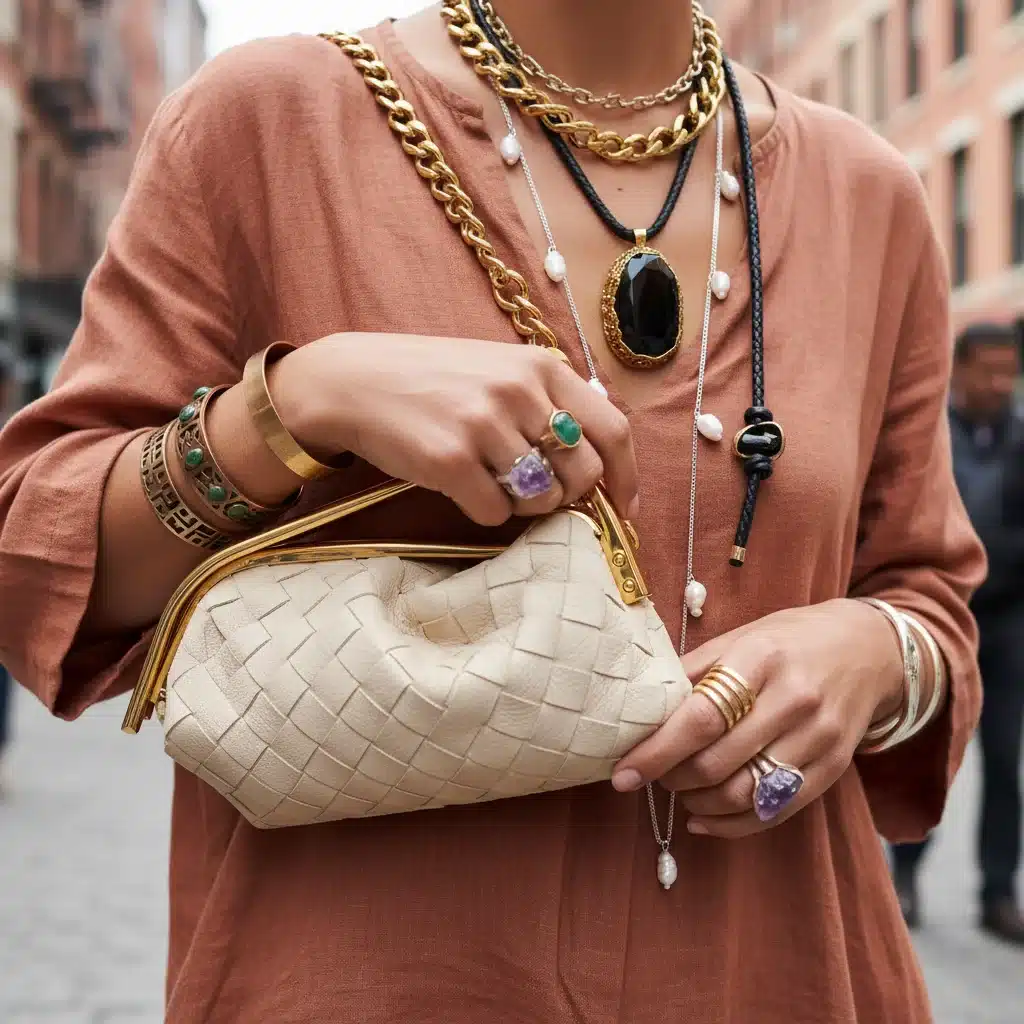
Early 2026 fashion trends often emphasize layers, textures, and bold accessories. Pay attention to how these elements interact with natural light and shadow. A carefully composed shot that highlights a unique fabric or a striking piece of jewelry can elevate your image significantly.
Composition: Framing the Narrative
- Rule of Thirds: A fundamental compositional guideline. Place your subject off-center for a more dynamic and engaging image.
- Leading Lines: Use architectural elements, pavement lines, or even shadows to lead the viewer’s eye towards your subject.
- Framing: Look for natural frames like doorways, arches, or windows to add depth and context to your shots.
- Negative Space: Don’t be afraid to leave empty space around your subject. It can help them stand out and create a sense of calm or drama.
- Layers: Incorporate foreground, midground, and background elements to create depth and visual interest, mimicking the layered approach often seen in early 2026 fashion.
Lighting: Your Best Friend
Natural light is the cornerstone of Street Style Photography. Learn to work with it, not against it.
- Golden Hour: The hour after sunrise and before sunset offers soft, warm, and flattering light that can add a magical quality to your images.
- Overcast Days: Uniform, soft light on overcast days is excellent for portraits as it minimizes harsh shadows and provides consistent exposure.
- Harsh Sunlight: Don’t avoid it entirely. Use strong shadows for dramatic effect, or look for subjects in open shade to get softer light.
- Backlight: Shooting into the sun can create beautiful rim lighting around your subject, making them pop from the background. Just be careful to expose for your subject’s face.
Camera Settings for Street Style Photography
- Aperture Priority (Av/A Mode): This mode allows you to control the depth of field (bokeh) by setting the aperture, while the camera selects the appropriate shutter speed. Start with a wider aperture (e.g., f/2.8 to f/4) to blur backgrounds.
- Shutter Speed: Aim for a fast enough shutter speed to freeze motion (e.g., 1/250s or faster). If you want to introduce some motion blur for artistic effect, you can experiment with slower speeds (e.g., 1/60s or 1/30s) while panning.
- ISO: Keep your ISO as low as possible to minimize noise, especially in well-lit conditions. Increase it only when necessary in low light.
- Autofocus: Use a fast and reliable autofocus mode. Continuous autofocus (AF-C or AI Servo) is excellent for tracking moving subjects. Experiment with different AF area modes (e.g., single point, zone, wide area) to see what works best for your style.
- RAW vs. JPEG: Always shoot in RAW. It provides much more flexibility in post-processing, allowing you to recover details in highlights and shadows and adjust white balance more precisely.
Ethical Considerations in Street Style Photography
One of the most critical aspects of Street Style Photography is navigating the ethical landscape. You are photographing real people in public spaces, and respecting their privacy and dignity is paramount.
Respect and Consent
- Be Mindful: Avoid making people uncomfortable. If someone clearly doesn’t want to be photographed, respect their wishes and move on.
- Ask for Permission (Sometimes): For truly standout looks or if you want a more posed shot, approaching the person and asking for permission can lead to a better interaction and a stronger photograph. A simple ‘I love your style, may I take a quick photo?’ often works wonders.
- Be Transparent: If you do ask, be clear about why you’re taking the photo and what you intend to do with it (e.g., ‘for my blog,’ ‘for a personal project’).
- Avoid Exploitation: Do not photograph people in vulnerable situations or in a way that could be perceived as demeaning or exploitative. The goal is to celebrate style, not to intrude.
- Children: Exercise extreme caution and, ideally, always seek parental consent before photographing children.
Blending In
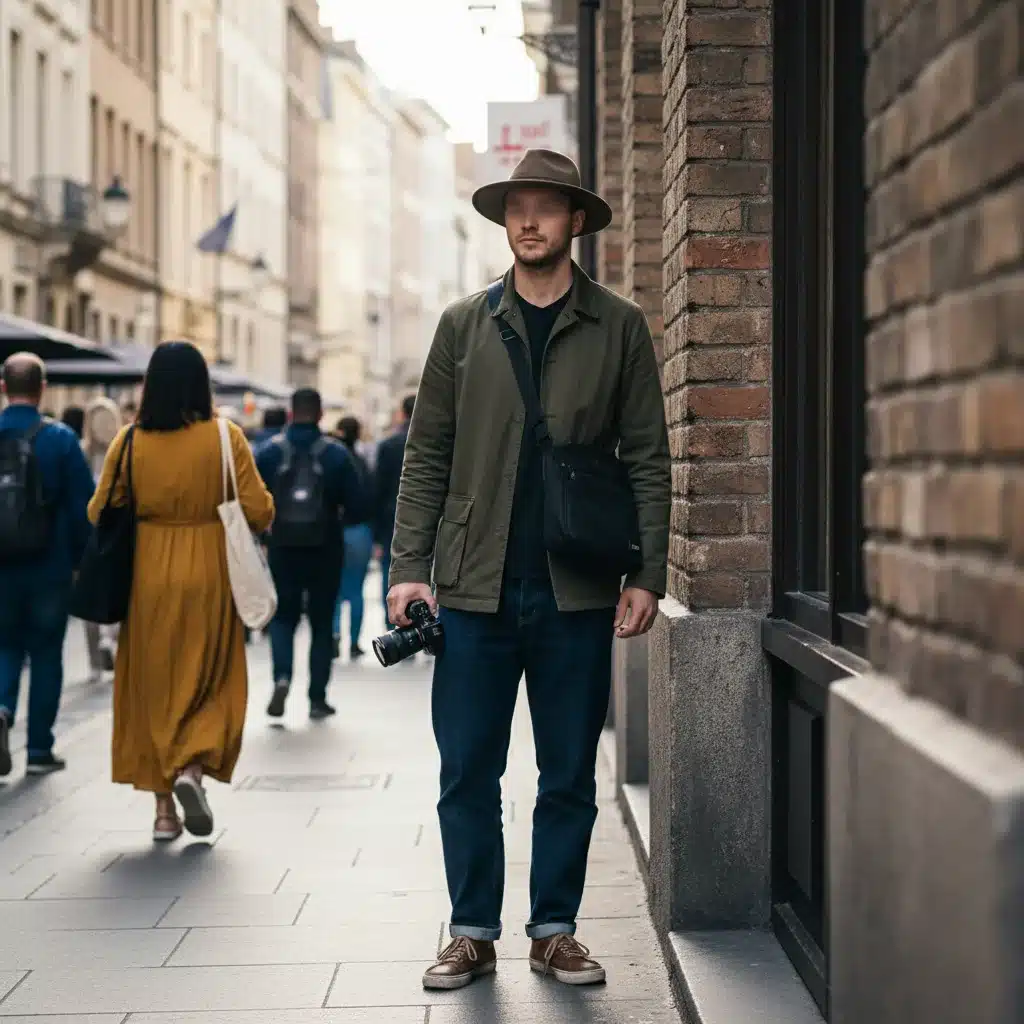
The best street style photographers often blend into their environment. Dress comfortably and inconspicuously. Avoid large, flashy camera gear if possible, as it can draw unwanted attention. Act like you belong, and people are less likely to notice you.
Post-Processing: Refining Your Street Style Shots
Post-processing is where you refine your vision and bring out the best in your Street Style Photography. Tools like Adobe Lightroom, Capture One, or even free alternatives like Darktable are essential.
Key Adjustments
- Exposure and Contrast: Adjust these to ensure your image has good dynamic range and impact.
- White Balance: Correct any color casts to ensure natural-looking skin tones and accurate colors of clothing.
- Highlights and Shadows: Recover detail in blown-out highlights and deep shadows to enhance the overall quality.
- Clarity and Texture: Use these sliders subtly to add punch and detail to fabrics and textures, which are crucial in fashion photography.
- Color Grading: Experiment with color grading to create a consistent look or to enhance the mood of your image. Avoid over-saturation; aim for a natural yet vibrant look that reflects early 2026 trends.
- Cropping and Straightening: Refine your composition and ensure horizons are level.
- Sharpening and Noise Reduction: Apply sharpening judiciously to bring out details, and use noise reduction sparingly to maintain image quality, especially in higher ISO shots.
Developing a Personal Style
Just as the people you photograph have their unique style, so too should your photography. Experiment with different editing approaches to find a look that resonates with you and becomes your signature. This could involve a specific color palette, a certain level of contrast, or a particular way of handling shadows.
Identifying Early 2026 Fashion Trends for Street Style Photography
To capture the ‘best looks,’ you need to know what to look for. Early 2026 is shaping up to be an exciting period for fashion, characterized by a blend of comfort, innovation, and conscious consumerism.
Key Trend Spotting Areas
- Sustainable & Upcycled Fashion: Look for unique pieces made from recycled materials, visible mending, or creative upcycling. This trend is not just about ethics but also about unique aesthetics.
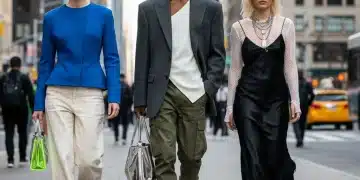
- Gender Fluidity: Silhouettes that blur traditional gender lines, oversized blazers, tailored trousers on all genders, and non-binary styling are prominent.
- Retro-Futurism: A blend of 70s and 90s nostalgia with futuristic elements. Think bold colors, geometric patterns, but with a sleek, modern twist.
- Comfort-First Luxury: Elevated loungewear, stylish activewear, and comfortable yet chic ensembles are still very much in vogue, emphasizing practicality without sacrificing elegance.
- Statement Accessories: Oversized jewelry, unique eyewear, sculptural bags, and unconventional headwear are key to elevating simpler outfits. These are excellent subjects for detail shots.
- Texture Play: Mixing and matching different textures – knitwear with leather, silk with denim, faux fur with technical fabrics – creates visual interest.
- Digital Prints & AI-Generated Patterns: As technology advances, expect to see more intricate and abstract digital prints, potentially even AI-generated patterns, making their way into street fashion.
Where to Find the Best Styles
- Fashion Weeks: Even if you’re not inside, the areas around fashion shows are prime locations for spotting the most avant-garde and influential styles.
- Art Districts & Creative Hubs: These areas often attract individuals with a strong sense of personal style.
- University Campuses: Students are often at the forefront of emerging trends, experimenting with new looks.
- Popular Shopping Streets: High-end boutiques and trendy independent stores often draw a stylish crowd.
- Cafes & Parks: More relaxed settings can reveal authentic, everyday style.
Building Your Portfolio and Sharing Your Work
Once you’ve captured and processed your stunning Street Style Photography, it’s time to share it with the world.
Curating Your Portfolio
Select only your strongest images. A cohesive portfolio that showcases your unique vision and technical prowess is more impactful than a large collection of mediocre shots. Aim for variety in subjects, compositions, and lighting, but maintain a consistent aesthetic.
Online Platforms
- Instagram: Still a dominant platform for visual artists. Use relevant hashtags (e.g., #streetstyle #fashionphotography #early2026fashion #[yourcity]streetstyle) to increase discoverability.
- Personal Website/Blog: A dedicated website gives you full control over your presentation and is a professional hub for your work.
- Behance/Flickr: Great platforms for connecting with other photographers and showcasing your portfolio to a wider creative community.
- Pinterest: Excellent for visual discovery and creating mood boards that can attract interest in your work.
Networking
Connect with local fashion bloggers, stylists, designers, and other photographers. Attend local fashion events or photography meetups. Networking can lead to collaborations, opportunities, and valuable feedback.
Challenges and Rewards of Street Style Photography
Like any genre, Street Style Photography comes with its own set of challenges and immense rewards.
Challenges
- Unpredictability: You can’t control your subjects, the light, or the environment. This requires quick thinking and adaptability.
- Rejection: Not everyone will want their photo taken, and you’ll face rejections. Develop a thick skin and move on gracefully.
- Technical Hurdles: Dealing with rapidly changing light, fast-moving subjects, and crowded environments can be technically demanding.
- Standing Out: With so many photographers, finding your unique voice and style can be a challenge.
Rewards
- Authenticity: Capturing genuine moments of style that are unposed and real.
- Creativity: The freedom to experiment with composition, light, and perspective in a dynamic setting.
- Cultural Documentation: Contributing to a visual archive of fashion and culture.
- Personal Growth: Developing keen observational skills, quick reflexes, and confidence in interacting with strangers.
- Community: Connecting with a vibrant community of fashion enthusiasts and photographers.
Conclusion: Your Journey into Street Style Photography Early 2026
Street Style Photography is an exhilarating and rewarding genre that requires a blend of technical skill, artistic vision, and social awareness. As we navigate early 2026, the streets continue to offer an endless source of inspiration and unique fashion narratives waiting to be captured.
By mastering your gear, refining your techniques, adhering to ethical guidelines, and embracing the evolving trends, you can create a compelling body of work that not only showcases individual style but also reflects the broader cultural landscape. So grab your camera, step out into the urban jungle, and start documenting the extraordinary fashion moments that unfold around you. The next iconic street style shot could be yours.
Remember, practice is key. The more you shoot, the better you’ll become at anticipating moments, composing on the fly, and developing your unique eye. Don’t be afraid to experiment, make mistakes, and learn from every shot. Happy shooting!