Functional Fashion: 7 Utilitarian Elements Trending in 2026 Streetwear
Anúncios
Functional Fashion: 7 Utilitarian Elements Trending in 2026 Streetwear
Anúncios
The fashion landscape is in a constant state of flux, ever-evolving and adapting to the demands of a dynamic world. As we look ahead to 2026, one prominent trend is undeniably shaping the future of urban style: streetwear utilitarian elements. This isn’t just a fleeting fad; it’s a profound shift towards clothing that marries aesthetic appeal with unparalleled practicality. The modern urban dweller demands more than just good looks from their attire; they seek versatility, durability, and intelligent design that supports their fast-paced, multifaceted lives. Functional fashion, particularly within the realm of streetwear, is no longer a niche concept but a dominant force, redefining what it means to be stylish and prepared.
The convergence of fashion and function has been a slow burn, but 2026 is poised to be its breakout year. Designers are moving beyond superficial embellishments, instead focusing on integrating genuine utility into every stitch and seam. This means garments that not only look cutting-edge but also serve a real purpose, offering solutions to everyday challenges. From navigating unpredictable weather to carrying essential gadgets, the new wave of streetwear is designed to empower its wearer. This article will delve deep into the seven most impactful streetwear utilitarian elements that are set to define 2026, offering insights into why they are trending and how you can incorporate them into your wardrobe. Get ready to explore a future where your clothes work as hard as you do, without compromising on style.
Anúncios
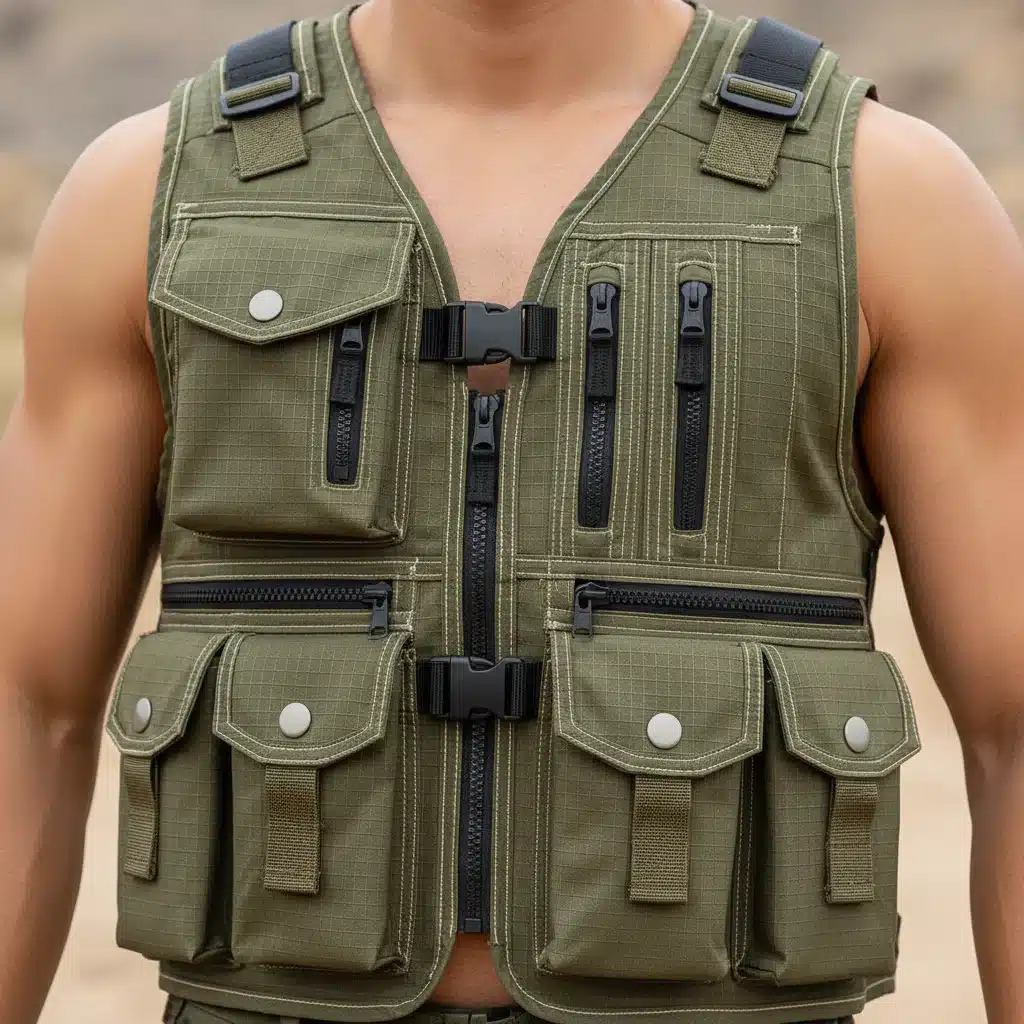
1. The Rise of Multi-Pocketed Garments: More Than Just Storage
When discussing streetwear utilitarian elements, multi-pocketed garments immediately spring to mind. However, in 2026, this trend transcends the simple addition of a few extra pockets. We’re talking about strategically placed, varied-sized compartments designed for specific purposes. Imagine cargo pants with hidden zippered pockets for valuables, expandable pouches for water bottles, or even magnetic closures for quick access to essentials. These aren’t just aesthetic flourishes; they are integral to the garment’s functionality, reflecting a need for hands-free convenience in an increasingly digital world. The days of bulky bags being a necessity are dwindling, replaced by intelligent apparel that carries your life’s essentials seamlessly.
The evolution of multi-pocketed designs also extends to jackets, vests, and even hoodies. Designers are experimenting with different pocket configurations, materials, and closure mechanisms to optimize both security and accessibility. Think technical fabrics that prevent items from shifting, water-resistant linings for electronic devices, and ergonomic placements that don’t hinder movement. This focus on practical storage solutions is a direct response to the demands of urban living, where individuals are constantly on the go, needing quick and secure access to their phones, wallets, keys, and other personal items. The aesthetic is rugged yet refined, a perfect blend of industrial utility and contemporary streetwear flair. The integration of these pockets often incorporates contrasting materials or subtle stitching, adding to the visual interest of the garment without detracting from its primary function. This trend emphasizes that utility can, and should, be a core design principle, not just an afterthought. The careful consideration of weight distribution and garment drape ensures that even heavily pocketed items maintain a sleek and stylish silhouette. This thoughtful design process is what truly elevates multi-pocketed garments from merely practical to genuinely fashionable, making them a cornerstone of 2026’s streetwear utilitarian elements.
2. Modular Design: Adaptability is Key
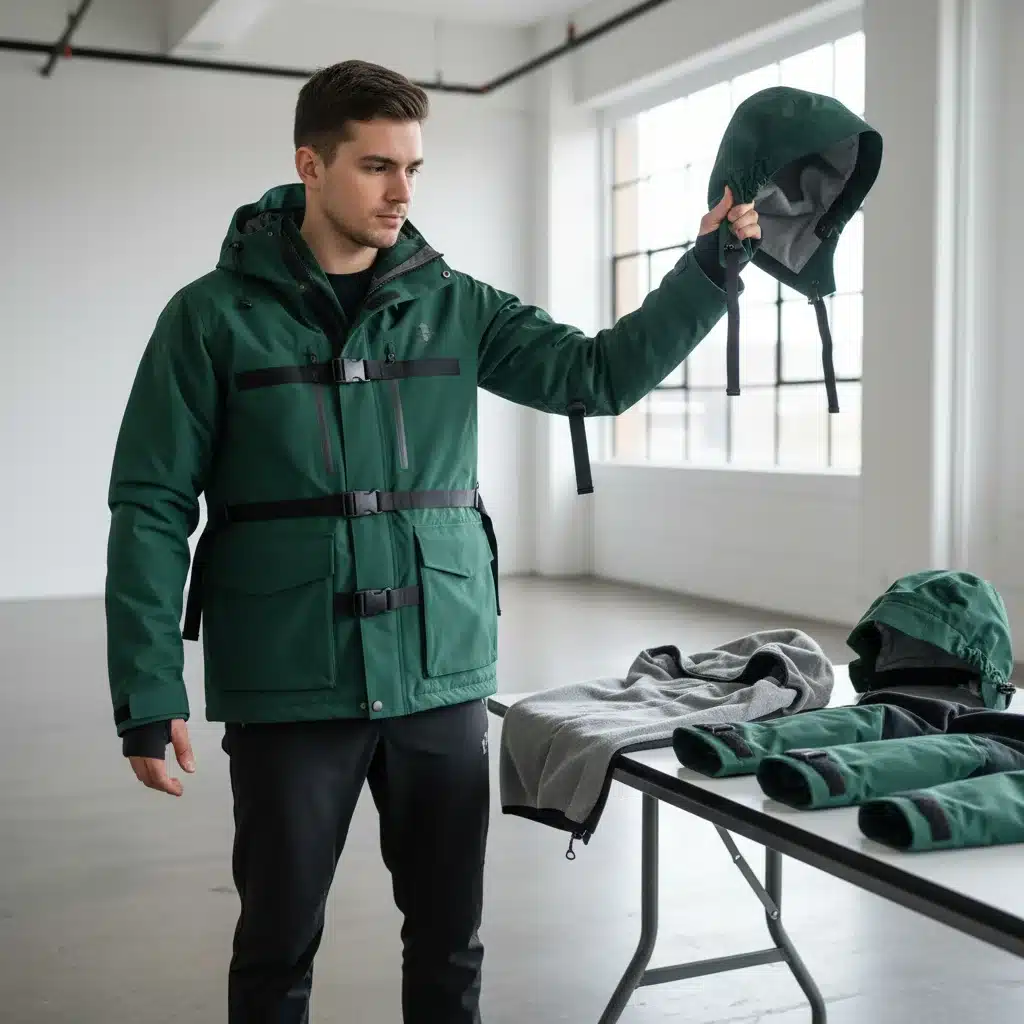
Modularity is perhaps one of the most exciting and innovative streetwear utilitarian elements emerging for 2026. This concept revolves around garments with detachable or interchangeable components, allowing wearers to adapt their clothing to different situations, weather conditions, or personal preferences. Think jackets with zip-off sleeves that transform into vests, hoods that can be added or removed, or even interchangeable pocket systems that snap on and off. This level of customization offers unparalleled versatility, making a single garment capable of serving multiple functions.
The beauty of modular design lies in its inherent sustainability and efficiency. Instead of owning multiple specialized pieces of clothing, consumers can invest in a few high-quality modular items that can be reconfigured as needed. This reduces waste and promotes a more conscious approach to fashion. Furthermore, modularity speaks to the desire for personalization that is so prevalent in modern streetwear. Individuals can express their unique style by mixing and matching components, creating a truly bespoke look. Fabrics used in modular designs are often lightweight, durable, and weather-resistant, ensuring that each component performs optimally. The integration of high-quality zippers, snaps, and magnetic fasteners ensures seamless transitions between configurations, making the process intuitive and user-friendly. This focus on adaptability and personalized function is a hallmark of the evolving streetwear utilitarian elements, pushing the boundaries of what clothing can be. The practical implications are vast: a jacket that can be worn in mild autumn, then adapted with a thermal liner for winter, and finally, stripped down to a vest for spring, all while maintaining a cohesive aesthetic. This kind of thoughtful engineering is what sets 2026 streetwear apart.
3. Durable & Technical Fabrics: Built to Last
The foundation of any truly utilitarian garment lies in its materials, and 2026 streetwear is putting a significant emphasis on durable and technical fabrics. Gone are the days when fashion sacrificed longevity for fleeting trends. Consumers are increasingly demanding clothing that can withstand the rigors of daily life, offering protection and comfort in various environments. Ripstop nylon, Gore-Tex, Cordura, and advanced blends of cotton and synthetic fibers are becoming commonplace, chosen for their resilience, water resistance, breathability, and overall performance.
These fabrics are not only tough but also often incorporate smart technologies. We’re seeing materials with built-in UV protection, anti-microbial properties to reduce odor, and even self-cleaning capabilities. The aesthetic associated with these technical textiles is often sleek, structured, and futuristic, perfectly aligning with the modern streetwear vibe. The investment in high-quality materials means garments are not only more functional but also have a longer lifespan, further contributing to a more sustainable fashion ecosystem. This shift towards performance-driven textiles is a critical aspect of the streetwear utilitarian elements trend, elevating everyday wear to a new level of sophistication and practicality. The tactile experience of these fabrics is also a key selling point; they often possess a unique hand-feel, a subtle sheen, or a robust texture that communicates their quality and purpose. Brands are increasingly transparent about the technical specifications of their materials, educating consumers on the benefits of each fabric choice, fostering a deeper appreciation for the engineering behind their clothing. This commitment to superior materials ensures that the functional aspects of streetwear are not just visual cues, but deeply embedded in the very structure of the garments.
4. Adjustable Straps and Cinch Systems: Personalized Fit and Function
A key aspect of functional design is the ability to tailor a garment to the wearer’s specific needs and body shape. Adjustable straps, drawstrings, and cinch systems are becoming ubiquitous streetwear utilitarian elements, offering both aesthetic appeal and practical benefits. These features are found on a variety of items, from adjustable waistbands on pants to cinch cords on jacket hems and hoods, and even intricate strap systems on bags and vests.
Beyond simply adjusting fit, these systems also allow for dynamic styling. A jacket’s silhouette can be altered with a quick cinch, transforming it from a relaxed fit to a more defined shape. Backpacks and chest rigs utilize complex strap configurations not just for carrying capacity but also for weight distribution and secure attachment of additional gear. The hardware used for these adjustments, such as heavy-duty buckles, D-rings, and cord locks, often becomes a visual design element in itself, contributing to the rugged, industrial aesthetic of utilitarian streetwear. This attention to adjustable details underscores the commitment to personalized comfort and enhanced functionality, ensuring that clothing moves with the wearer and adapts to their environment. The ability to fine-tune a garment on the fly is invaluable for active individuals, allowing for quick modifications based on activity level, layering, or even simply personal preference. This level of control over one’s attire is a powerful expression of functional autonomy, making adjustable systems a non-negotiable component of modern streetwear utilitarian elements. The integration of robust yet lightweight hardware ensures that these adjustment points are not only effective but also durable, standing up to repeated use without compromise. This meticulous design thinking transforms simple straps into sophisticated tools for customization and performance.
5. Integrated Tech Features: Smart Fashion for a Smart World
As technology continues to permeate every aspect of our lives, it’s only natural that it finds its way into our clothing. Integrated tech features are a cutting-edge addition to streetwear utilitarian elements, pushing the boundaries of what apparel can do. While still in its nascent stages, 2026 will see a significant increase in garments featuring subtle yet impactful technological integrations.
This could include clothing with discreet charging pockets for smartphones, allowing for wireless charging on the go. We might also see garments with embedded sensors that monitor body temperature or activity levels, providing data to a connected app. Reflective elements woven into fabrics for enhanced visibility in low light, or even small, integrated LED strips for safety and style, are becoming more common. The key here is seamless integration – the technology should enhance the garment’s utility without making it feel overly futuristic or clunky. The focus is on practical applications that solve real-world problems for the urban explorer. As miniaturization progresses, the possibilities for smart textiles and wearable tech within streetwear are virtually limitless, promising a future where our clothes are not just worn, but actively assist us in our daily lives. The aesthetic challenge lies in making these technologies invisible or intentionally integrated as part of the design, avoiding a clunky, gadget-laden look. The goal is to create truly intuitive and helpful apparel that enhances the wearer’s experience without requiring constant interaction. This thoughtful approach to integrating technology ensures that these advanced features genuinely contribute to the utility and appeal of streetwear utilitarian elements, rather than being mere gimmicks. Furthermore, the power sources for these integrated technologies are becoming increasingly efficient and compact, often rechargeable via USB, further enhancing their practicality and user-friendliness. This seamless blend of form, function, and futuristic tech is a defining characteristic of 2026 streetwear.
6. Convertible and Packable Designs: Ready for Anything
The urban environment is unpredictable, and 2026 streetwear reflects this reality with a strong emphasis on convertible and packable designs. These streetwear utilitarian elements are all about adaptability and readiness, allowing wearers to easily adjust their attire to changing weather or situations. Convertible garments, like pants that zip off into shorts, or jackets that fold into their own pockets to become a compact pouch, are gaining significant traction.
The convenience of packable clothing is undeniable for commuters, travelers, and anyone who needs to be prepared for fluctuating conditions. These designs prioritize lightweight materials and intelligent construction, ensuring that the transformation process is quick and effortless. The ability to carry an emergency layer without adding bulk to a backpack or bag is a game-changer for practical urban living. This trend is also fueled by a minimalist approach to packing and a desire for versatile pieces that maximize utility. The engineering behind these items often involves clever folding patterns and hidden compartments, making the conversion both functional and visually appealing. The focus on efficiency and preparedness makes convertible and packable designs essential streetwear utilitarian elements for the modern wardrobe. Imagine a sudden downpour; with a packable rain jacket that fits into a small pouch, you’re instantly prepared. Or a warm day turning into a cool evening, making zip-off pants the perfect solution. This adaptability is not just about convenience; it’s about empowering the wearer to navigate their environment with confidence and ease. The fabrics chosen for these items are typically high-performance, lightweight, and wrinkle-resistant, ensuring they look good even after being folded or packed. This thoughtful combination of material science and innovative design is what makes convertible and packable clothing a standout trend in 2026 streetwear.
7. Reinforced Stress Points and Ergonomic Construction: Built for Movement
Durability and freedom of movement are paramount in streetwear, and 2026 sees a heightened focus on reinforced stress points and ergonomic construction as crucial streetwear utilitarian elements. This means garments are not just made from tough fabrics but are also designed to withstand the wear and tear of active lifestyles, while simultaneously allowing for unrestricted movement.
Reinforced stitching, double-layered fabric in high-abrasion areas (like knees, elbows, and shoulders), and specialized hardware at points of tension are becoming standard. Furthermore, ergonomic construction involves tailoring garments to the natural contours of the human body and incorporating features like articulated knees and elbows. This prevents fabric bunching, reduces restriction, and enhances overall comfort during movement. Gussets in critical areas, such as the crotch of pants or underarms of jackets, provide extra mobility and prevent tearing. This meticulous attention to construction details ensures that streetwear is not only stylish but also incredibly functional and long-lasting, capable of keeping up with the demands of an active urban existence. The integration of these design principles speaks to a deeper understanding of the wearer’s needs, moving beyond purely aesthetic considerations to embrace a holistic approach to garment creation. The result is clothing that feels like a second skin, allowing for a full range of motion without sacrificing protection or style. This commitment to robust construction and anatomical design solidifies reinforced stress points and ergonomic construction as indispensable streetwear utilitarian elements. The use of advanced pattern-making techniques and 3D design software allows designers to simulate movement and identify areas where reinforcement or articulation is most needed, leading to garments that are truly optimized for performance. This scientific approach to fashion ensures that every piece of clothing is not just a statement, but a functional tool for navigating the modern world.
The Future is Functional: Embracing Streetwear Utilitarian Elements
The evolution of streetwear into a more functional and utilitarian domain is a testament to the changing priorities of modern consumers. The desire for clothing that is not only fashionable but also practical, durable, and adaptable is driving innovation across the industry. The seven streetwear utilitarian elements discussed above – multi-pocketed garments, modular design, durable and technical fabrics, adjustable straps, integrated tech features, convertible and packable designs, and reinforced stress points with ergonomic construction – are not just trends; they are foundational shifts in how we approach urban apparel.
As we move into 2026, expect to see these elements integrated seamlessly into a wide array of streetwear collections, from high-end labels to accessible brands. The aesthetic will continue to be characterized by clean lines, muted color palettes often punctuated by pops of vibrant color, and a strong emphasis on texture and material contrast. This functional fashion revolution is about empowering individuals with clothing that supports their dynamic lifestyles, allowing them to navigate the complexities of the urban environment with confidence and unparalleled style. It’s about making smarter choices, investing in pieces that offer longevity and versatility, and ultimately, embracing a wardrobe that works as hard as you do. The future of streetwear is undeniably functional, and these utilitarian elements are paving the way for a more intelligent, adaptable, and sustainable approach to fashion. By understanding and embracing these key trends, you can ensure your wardrobe is not just current, but truly future-proof, ready for whatever 2026 and beyond may bring. The interplay between these elements creates a synergy where each feature enhances the others, resulting in garments that are more than the sum of their parts. This holistic design philosophy is at the heart of the streetwear utilitarian elements movement, promising a future where fashion and function are inextricably linked, creating a new standard for urban attire.