Driving Customer Loyalty: 5 Personalization Strategies for US Fashion Retailers in 2026
Anúncios
The fashion retail landscape is in a constant state of flux, driven by evolving consumer expectations, technological advancements, and a relentless pursuit of differentiation. As we look towards 2026, the imperative for US fashion retailers to forge deeper, more meaningful connections with their customers has never been stronger. In an era of abundant choice and fleeting attention spans, customer loyalty is the ultimate prize, and personalization is the golden key to unlocking it. This article delves into five critical fashion personalization strategies that will define success for US fashion retailers in the coming years.
Anúncios
Gone are the days when a one-size-fits-all approach could yield sustainable growth. Today’s consumers, particularly in the dynamic US market, expect brands to understand their individual preferences, anticipate their needs, and deliver experiences that feel uniquely crafted for them. This shift isn’t merely a trend; it’s a fundamental transformation of the retail paradigm. Retailers who embrace sophisticated fashion personalization strategies will not only attract new customers but, more importantly, retain existing ones, transforming them into loyal advocates who drive repeat purchases and positive word-of-mouth.
The stakes are high. With increased competition from direct-to-consumer brands, fast-fashion giants, and burgeoning resale markets, traditional retailers must innovate to survive and thrive. Personalization offers a powerful competitive advantage, enabling brands to cut through the noise and resonate authentically with their target audience. From hyper-targeted product recommendations to bespoke styling advice and personalized loyalty programs, the opportunities to implement impactful fashion personalization strategies are vast and varied. Let’s explore the critical avenues US fashion retailers must navigate to secure their future success.
Anúncios
1. Hyper-Targeted Product Recommendations Driven by AI and Machine Learning
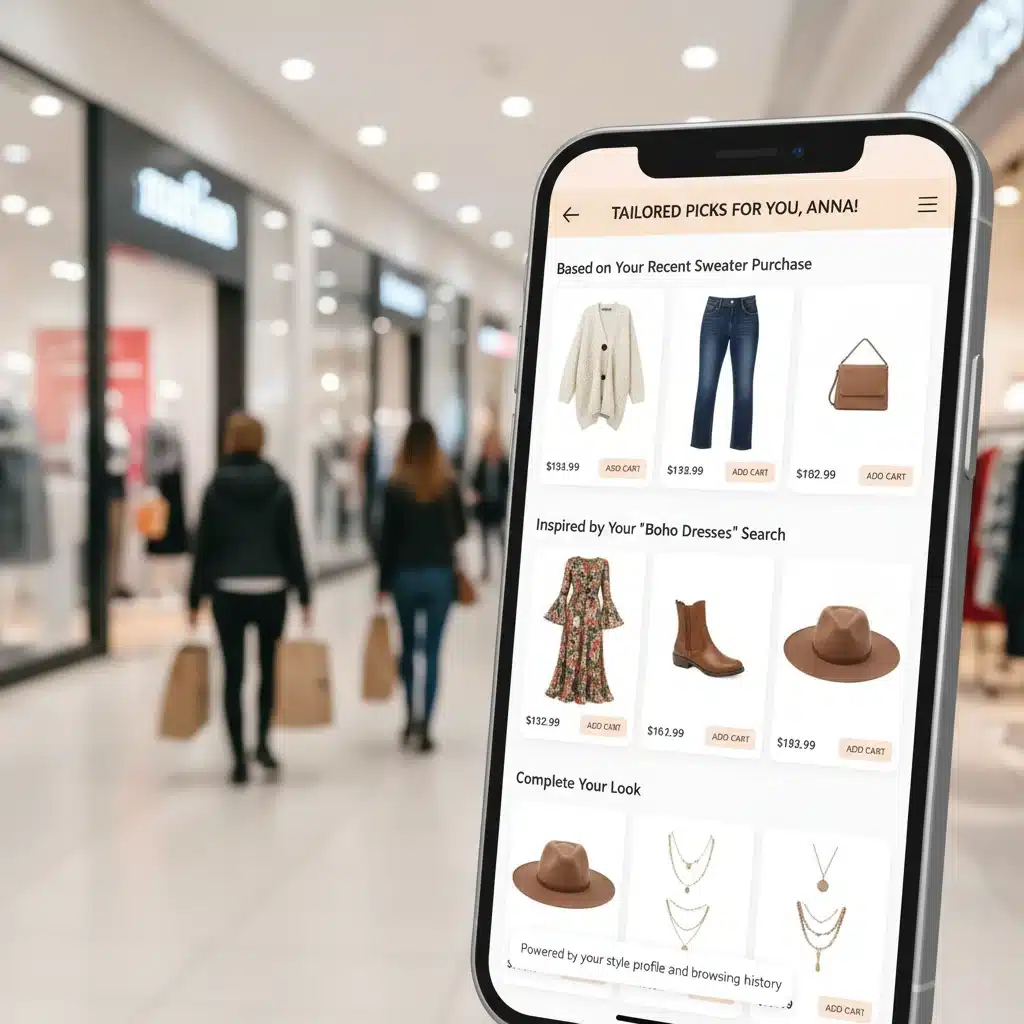
At the core of effective fashion personalization strategies lies the ability to recommend products that genuinely appeal to individual customers. In 2026, this goes far beyond simple ‘customers who bought this also bought…’ suggestions. Advanced Artificial Intelligence (AI) and Machine Learning (ML) algorithms are now capable of analyzing vast datasets – including browsing history, purchase patterns, returns, wishlist items, social media activity, and even external trend data – to create incredibly precise and predictive product recommendations.
Imagine a customer who frequently browses sustainable activewear and has a history of purchasing items in earthy tones. An AI-powered recommendation engine wouldn’t just show them more activewear; it would highlight new arrivals from eco-friendly brands, suggest complementary pieces that align with their preferred color palette, and even alert them to limited-edition drops from designers they’ve shown interest in. This level of granularity transforms the shopping experience from a hunt to a curated discovery.
Implementing Advanced Recommendation Engines:
- Data Integration: Consolidate data from all touchpoints – online, in-store, mobile app, customer service interactions – into a unified customer profile. The richer the data, the smarter the recommendations.
- Predictive Analytics: Utilize ML models to predict future purchasing behavior, identify potential churn risks, and anticipate upcoming fashion trends relevant to specific customer segments.
- Real-time Personalization: Recommendations should adapt dynamically as a customer browses, clicks, and adds items to their cart. This immediate responsiveness keeps the experience relevant and engaging.
- Contextual Recommendations: Beyond just products, suggest outfits, accessories, and complementary items based on occasions, weather, or even events in the customer’s calendar (if permission is granted).
The benefit of such sophisticated recommendation systems is twofold: it significantly enhances the customer experience by reducing decision fatigue and increasing satisfaction, and it directly drives up average order value and conversion rates for retailers. This is a foundational element of any robust fashion personalization strategy.
2. Personalized Content and Communication Across All Channels
Personalization extends beyond product suggestions; it encompasses every interaction a customer has with a brand. In 2026, US fashion retailers must master personalized content and communication across all touchpoints – email, SMS, social media, website, and even in-store messaging. This means delivering messages that are not only relevant in terms of products but also in tone, timing, and format.
Consider the difference between a generic promotional email sent to millions and a personalized email that greets a customer by name, references their recent browsing activity, and offers a discount on an item they viewed but didn’t purchase. The latter is far more likely to capture attention and drive action. Effective fashion personalization strategies leverage customer data to craft bespoke narratives.
Strategies for Personalized Content:
- Dynamic Email Campaigns: Segment email lists based on purchase history, browsing behavior, loyalty status, and demographic data. Use dynamic content blocks to display personalized product carousels, editorial content relevant to their style, or exclusive offers.
- SMS Marketing with a Personal Touch: Use SMS for timely, highly relevant alerts, such as back-in-stock notifications for items a customer expressed interest in, shipping updates, or exclusive early access to sales for VIP members. Ensure messages are concise and add value.
- Website Personalization: Beyond product recommendations, customize homepage banners, landing page content, and even navigation based on visitor segments. A first-time visitor might see a ‘welcome’ message and best-sellers, while a returning customer sees new arrivals from their favorite brands.
- Social Media Retargeting: Use customer data to create highly targeted ad campaigns on social platforms, showcasing products they’ve viewed or similar items. Ensure the ad creative and copy resonate with their known preferences.
Personalized communication fosters a sense of being understood and valued, which is crucial for building long-term loyalty. It moves the brand-customer relationship from transactional to relational, a cornerstone of successful fashion personalization strategies.
3. Curated Shopping Experiences and Virtual Styling Services
The desire for expert guidance and curated selections is a timeless aspect of fashion, now being revolutionized by technology. In 2026, US fashion retailers will increasingly offer curated shopping experiences and virtual styling services as key fashion personalization strategies.
This can take many forms, from subscription boxes tailored to individual style profiles to virtual try-on technologies and AI-powered stylists. The goal is to replicate the personalized attention of a high-end boutique, but at scale and with the convenience of digital platforms.
Examples of Curated Experiences:
- Subscription Styling Boxes: Services that send a curated selection of clothing items to customers regularly, based on their style quiz results, body shape, and feedback. Customers keep what they like and return the rest.
- Virtual Try-On Technology: Augmented Reality (AR) tools that allow customers to ‘try on’ clothes virtually using their smartphone or computer camera. This reduces uncertainty and returns, enhancing the online shopping experience.
- AI-Powered Style Assistants: Chatbots or virtual assistants that can provide personalized outfit suggestions, answer style questions, and even help customers build a capsule wardrobe based on their existing purchases and preferences.
- Personal Shopper Integration: Offering virtual appointments with human stylists who can leverage customer data to pre-select items, offer personalized advice, and guide customers through their shopping journey, whether online or in-store.
These services not only add immense value for the customer but also provide retailers with invaluable data on preferences, fit issues, and styling choices, further refining their fashion personalization strategies and product development. By making shopping feel less overwhelming and more like a guided journey, retailers can significantly boost loyalty.
4. Personalized Loyalty Programs and Exclusive Access
Loyalty programs have long been a staple of retail, but in 2026, generic points-based systems will no longer suffice. The most effective fashion personalization strategies will involve highly personalized loyalty programs that reward customers not just for spending, but for engagement, advocacy, and specific behaviors aligned with their preferences.
These programs move beyond transactional rewards to offer experiential benefits, exclusive access, and personalized recognition that makes customers feel truly special and connected to the brand. The key is to understand what truly motivates each segment of your loyal customer base and tailor rewards accordingly.
Innovations in Loyalty Programs:
- Tiered Programs with Personalized Perks: Beyond basic discounts, offer higher tiers access to exclusive product launches, private styling sessions, early access to sales, or even co-creation opportunities.
- Behavior-Based Rewards: Reward customers for actions beyond purchases, such as leaving reviews, referring friends, engaging with content on social media, or participating in brand surveys.
- Experiential Rewards: Offer unique experiences like invitations to fashion shows, workshops, or brand events. For premium customers, perhaps even a personalized gift on their birthday or anniversary.
- Customized Offers: Instead of generic discounts, provide personalized offers on items they’ve shown interest in, or categories they frequently shop. For example, a customer who buys a lot of denim might receive a special offer on a new denim collection.
- Community Building: Create exclusive online communities or forums for loyal customers where they can interact with the brand and each other, share styling tips, and provide feedback.
A well-designed, personalized loyalty program transforms customers into brand ambassadors, generating significant lifetime value. It’s a cornerstone of any forward-thinking fashion personalization strategy aimed at sustainable growth.
5. Leveraging In-Store Technology for Seamless Personalization
While much of the personalization discussion often centers on digital channels, the physical store remains a vital touchpoint for US fashion retailers. In 2026, integrating technology into the in-store experience will be crucial for delivering seamless fashion personalization strategies that bridge the online and offline worlds.
The goal is not to replace human interaction but to augment it, providing sales associates with powerful tools and customers with enhanced, personalized experiences that leverage their digital profiles.
In-Store Personalization Technologies:
- Clienteling Apps: Empower sales associates with tablets or mobile devices that provide access to a customer’s purchase history, browsing data, wishlist, and style preferences as soon as they walk in (with consent). This allows for highly informed and personalized assistance.
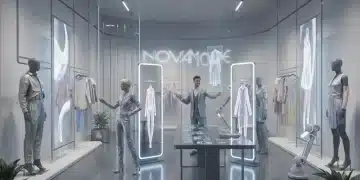
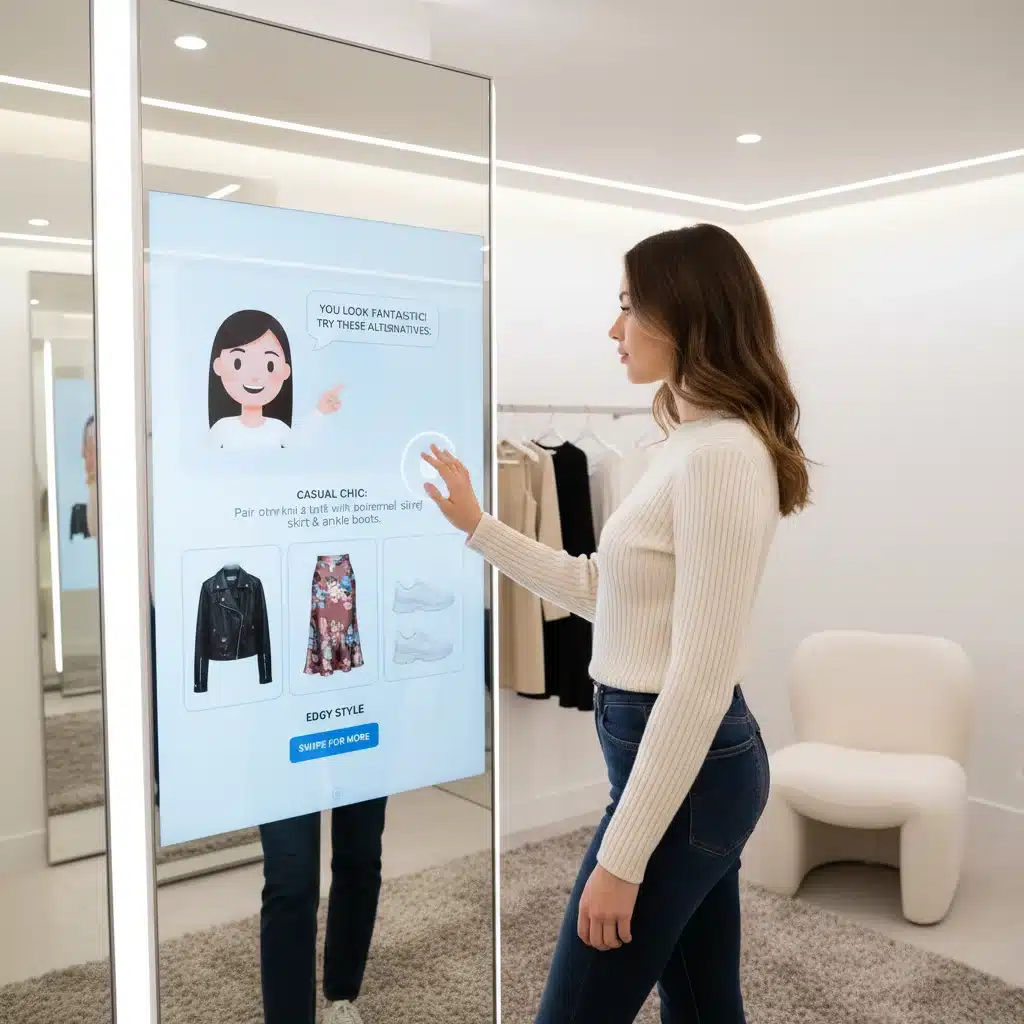
- Smart Fitting Rooms: Equipped with smart mirrors that can recognize items brought in, suggest complementary pieces, display product information, and allow customers to request different sizes or colors without leaving the room. These mirrors can also remember customer preferences for future visits.
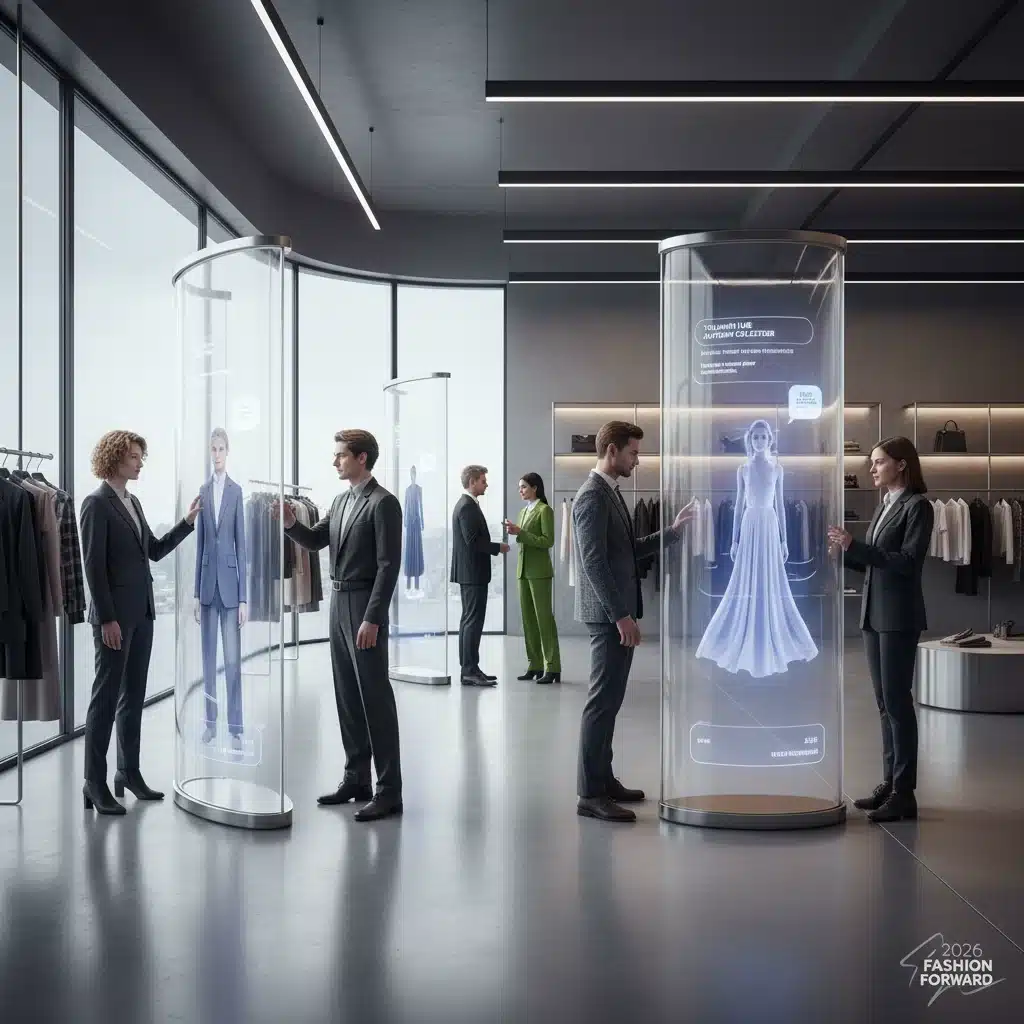
- Interactive Digital Displays: Screens throughout the store that can dynamically change content based on foot traffic, promotions, or even individual customer recognition (via app check-ins or loyalty cards), showcasing personalized recommendations or styling inspiration.
- RFID and IoT for Inventory and Recommendations: Using RFID tags to track inventory in real-time, ensuring accurate stock levels, and enabling smart displays to suggest items based on what’s available and what a customer might like.
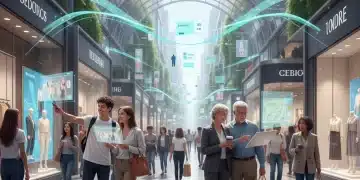
- Beacons and Geofencing: Sending personalized push notifications to customers’ phones as they enter a store or specific department, alerting them to relevant promotions or new arrivals based on their profile.
By bringing the richness of online data into the physical space, retailers can create a truly omnichannel personalized experience, enhancing convenience, engagement, and ultimately, customer loyalty. This integration is a non-negotiable component of modern fashion personalization strategies.
The Future of Fashion Retail: A Personalized Journey
As we navigate towards 2026, the US fashion retail landscape will be characterized by an intensified focus on the individual customer. The five fashion personalization strategies outlined above are not isolated tactics but interconnected components of a holistic approach to customer engagement and loyalty. Successful retailers will be those who master the art of collecting and interpreting data, translating insights into actionable personalization across every touchpoint.
The benefits extend far beyond increased sales. Personalized experiences foster emotional connections, build trust, and create a sense of community around a brand. In an increasingly commoditized world, these intangible assets are what truly differentiate market leaders from the rest. By investing in AI, machine learning, data integration, and a customer-centric mindset, US fashion retailers can transform their businesses, ensuring relevance and resilience in the years to come.
Embracing these fashion personalization strategies is not just about keeping up with trends; it’s about setting new standards for customer experience. The future of fashion retail is personal, and the brands that understand and act on this will be the ones that thrive.
Key Takeaways for US Fashion Retailers:
- Data is Gold: Invest in robust data infrastructure and analytics capabilities to truly understand your customer.
- AI is Your Ally: Leverage AI and ML for hyper-targeted recommendations and predictive insights.
- Omnichannel is Essential: Ensure a consistent and personalized experience across all online and offline channels.
- Beyond Transactions: Build loyalty through experiential rewards and community engagement.
- Innovate In-Store: Integrate technology into physical stores to enhance human interaction and personalization.
The journey to deeply personalized customer relationships is continuous, requiring ongoing adaptation and innovation. However, the rewards – in terms of customer loyalty, brand equity, and sustained growth – are immeasurable. For US fashion retailers, 2026 will be a pivotal year, and mastering these fashion personalization strategies will be key to unlocking a prosperous future.