AI in Fashion Design: Top 5 Tools for US Businesses in 2026
Anúncios
The Impact of AI on Fashion Design Workflow: 5 Key Tools for US Businesses in 2026
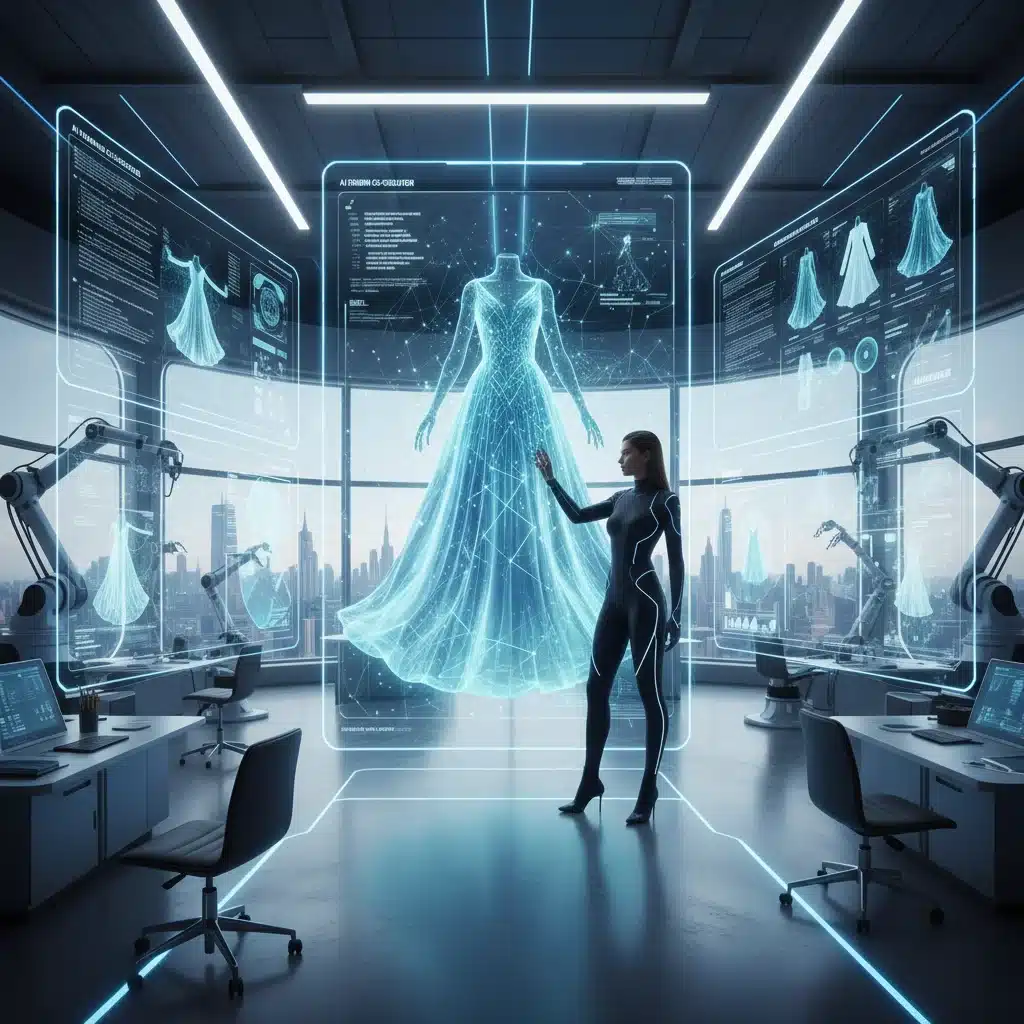
The fashion industry, long celebrated for its creativity and artistry, is undergoing a profound transformation. Artificial Intelligence (AI) is no longer a futuristic concept but a tangible force reshaping every facet of design, production, and consumer interaction. For US businesses looking to stay ahead in 2026 and beyond, understanding and integrating cutting-edge AI fashion design tools is not just an advantage – it’s a necessity. This article delves into the revolutionary impact of AI on the fashion design workflow and spotlights five pivotal tools that are set to define the industry’s future.
Anúncios
The traditional design process, often iterative and time-consuming, is being streamlined by AI. From concept generation and trend forecasting to fabric innovation and virtual prototyping, AI offers unprecedented efficiency and precision. This technological leap allows designers to focus more on creative exploration and less on repetitive tasks, fostering a new era of innovation and personalized fashion. Moreover, AI’s analytical capabilities are empowering businesses to make data-driven decisions, reducing waste, optimizing supply chains, and ultimately contributing to a more sustainable fashion ecosystem. As we move further into the 21st century, the synergy between human creativity and artificial intelligence will unlock new possibilities, making fashion more accessible, diverse, and environmentally conscious.
The Shifting Paradigm: Why AI is Indispensable in Fashion
The fashion landscape is dynamic, characterized by rapidly changing trends, increasing consumer demands for personalization, and a growing emphasis on sustainability. In this complex environment, AI emerges as a powerful ally. It provides capabilities that human intuition alone cannot match, such as processing vast datasets of market trends, consumer preferences, and historical sales figures to predict future styles with remarkable accuracy. This predictive power minimizes risks associated with new collections, ensuring that designs resonate with target audiences and reducing the likelihood of unsold inventory.
Furthermore, AI accelerates the design cycle. What once took weeks or months can now be accomplished in days, allowing businesses to respond swiftly to market shifts. This agility is crucial in an era where fast fashion reigns supreme, yet there’s also a counter-movement towards thoughtful, sustainable production. AI helps balance these demands by optimizing material usage, identifying sustainable alternatives, and even designing garments for longevity and recyclability. The integration of AI fashion design tools is therefore not merely about technological adoption; it’s about building a resilient, responsive, and responsible fashion industry for the future.
Anúncios
Enhancing Creativity and Personalization with AI
Contrary to the misconception that AI stifles creativity, it actually acts as a powerful enhancer. AI algorithms can generate countless design variations based on initial parameters, presenting designers with a wider array of options than human ideation alone could produce. This frees up designers to explore more avant-garde concepts and push the boundaries of conventional aesthetics. Imagine an AI that can blend historical fashion elements with contemporary street style, or generate entirely new silhouettes based on biometric data – the possibilities are endless.
Personalization is another area where AI shines. Consumers today expect unique products that reflect their individual style. AI can analyze personal preferences, body measurements, and even social media activity to recommend or co-create bespoke designs. This level of customization, once reserved for haute couture, is becoming increasingly accessible thanks to AI, enabling mass personalization at scale. From custom-fit garments to unique print designs, AI fashion design tools are making every piece feel specially crafted for the individual.
Top 5 AI Fashion Design Tools for US Businesses in 2026
As the fashion industry evolves, so do the tools available to designers and businesses. Here are five key AI fashion design tools that US businesses should consider integrating into their workflow by 2026:
1. Generative Design Platforms (e.g., Fabric AI, Style.ai)
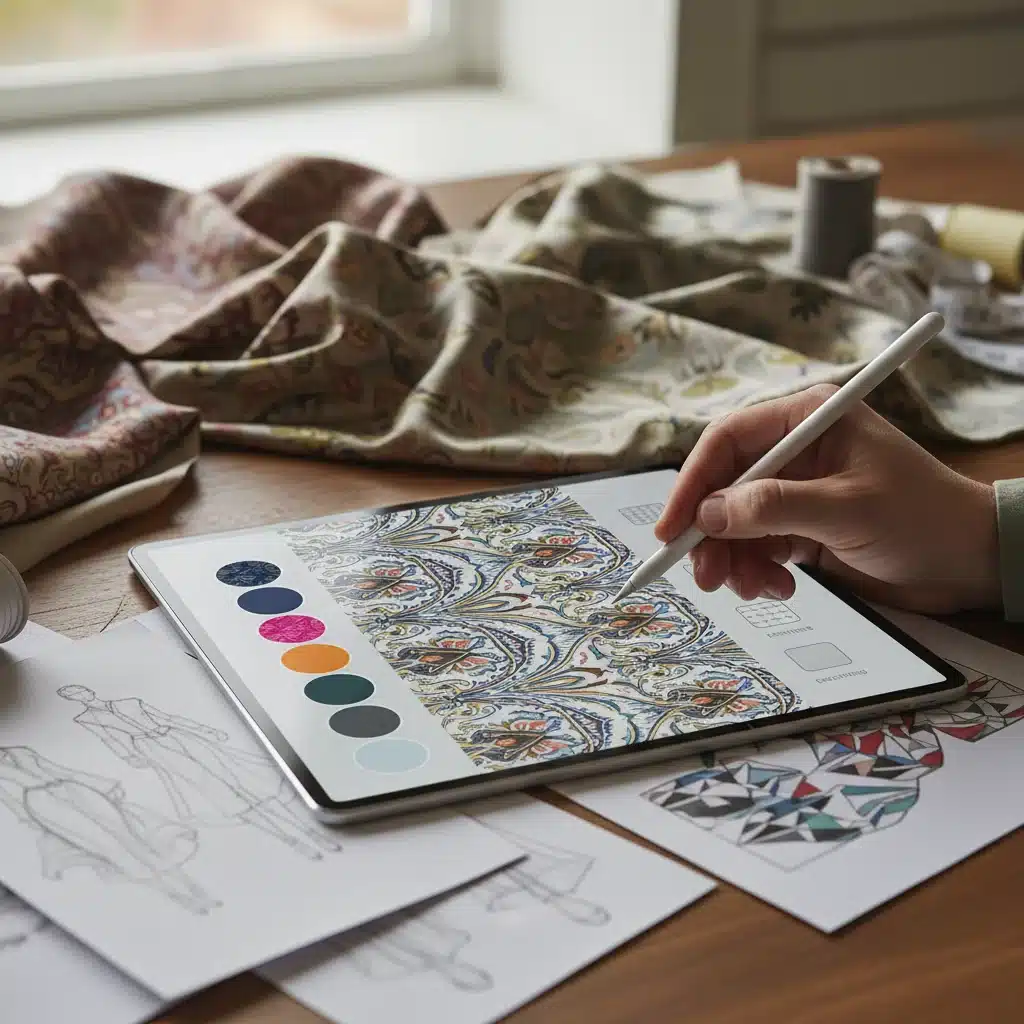
Generative design is at the forefront of AI innovation in fashion. These platforms use machine learning algorithms to create new design concepts, patterns, and even entire collections based on specific inputs. Designers can feed in mood boards, color palettes, fabric textures, and target demographics, and the AI will generate a multitude of design options. This significantly reduces the time spent on initial ideation and allows designers to explore a broader creative spectrum.
- Key Features: Automated pattern generation, style iteration, color scheme optimization, trend-driven design suggestions.
- Benefits: Accelerated design cycles, enhanced creative output, reduced reliance on manual sketching, ability to quickly test multiple design hypotheses.
- Impact on Workflow: Designers can move from concept to virtual prototype much faster, freeing up time for refinement and strategic planning.
2. AI-Powered Trend Forecasting and Market Analysis (e.g., Heuritech, Edited)
Understanding future trends is paramount in fashion. AI-powered platforms excel at analyzing vast amounts of data from social media, runway shows, retail sales, and news articles to predict emerging trends with remarkable accuracy. These tools can identify micro-trends before they become mainstream, helping businesses make informed decisions about collections, inventory, and marketing strategies.
- Key Features: Predictive analytics for colors, silhouettes, fabrics, and styles; real-time market insights; competitive analysis; consumer sentiment tracking.
- Benefits: Reduced risk of unsold inventory, optimized production planning, increased relevance of collections, quicker response to market shifts.
- Impact on Workflow: Design teams can build collections with greater confidence, knowing they are aligned with future consumer demand, leading to more successful product launches.
3. Virtual Prototyping and 3D Design Software (e.g., CLO3D with AI integrations, Browzwear)
Virtual prototyping has revolutionized the sample creation process, and AI is taking it to the next level. These software solutions allow designers to create realistic 3D renderings of garments, simulate fabric drape and texture, and even conduct virtual fit sessions. AI integrations can further optimize patterns for fit, suggest material alternatives, and analyze how different body types interact with a design, significantly reducing the need for physical samples.
- Key Features: Realistic 3D garment visualization, fabric simulation, pattern optimization, virtual fitting, avatar customization.
- Benefits: Drastically reduced sample costs and time, improved fit accuracy, decreased material waste, faster iteration and approval processes.
- Impact on Workflow: Designers can experiment with designs virtually, making adjustments on the fly, and presenting highly realistic prototypes to stakeholders without producing a single physical garment.
4. AI for Sustainable Material Innovation and Sourcing (e.g., Material Exchange, Infinited Fiber Company with AI support)
Sustainability is no longer optional; it’s a core requirement for modern fashion. AI is playing a crucial role in identifying and developing sustainable materials. These tools can analyze the environmental impact of various fibers, suggest eco-friendly alternatives, and even help in the development of new, circular materials. AI can also optimize supply chains to reduce carbon footprint and ensure ethical sourcing.
- Key Features: Material impact assessment, sustainable alternative recommendations, supply chain optimization, waste reduction strategies, circular design principles integration.
- Benefits: Reduced environmental footprint, compliance with sustainability regulations, improved brand image, cost savings through efficient resource management.
- Impact on Workflow: Designers can make informed choices about materials from the outset, integrating sustainability into the core of their designs and contributing to a more responsible industry.
5. AI-Driven Personalization and Customization Platforms (e.g., Zmarta, DressX with AI features)
The demand for personalized products is surging, and AI is the engine driving this trend. These platforms leverage AI to offer highly customized experiences, from recommending tailored outfits based on individual style profiles to enabling customers to design their own garments with AI assistance. This can include AI-guided choices for fabric, color, silhouette, and embellishments, leading to truly unique pieces.
- Key Features: AI-powered style recommendations, co-creation tools for customers, virtual try-on experiences, bespoke sizing and fit algorithms.
- Benefits: Increased customer satisfaction and loyalty, higher conversion rates, reduced returns, ability to offer unique value propositions.
- Impact on Workflow: Businesses can offer a scalable customization service, moving away from a ‘one-size-fits-all’ approach to a more customer-centric model, fostering deeper engagement and brand affinity.
Integrating AI into Your Fashion Business Workflow
Adopting AI fashion design tools is not a one-time event but an ongoing strategic process. For US businesses, a phased approach to integration can yield the best results. Start by identifying specific pain points in your current workflow that AI can address most effectively. This might be reducing sample costs, improving trend accuracy, or enhancing personalization.
Strategic Implementation Steps:
- Assess Current Needs: Conduct a thorough audit of your design, development, and production processes to pinpoint areas where AI can offer the most significant impact.
- Pilot Programs: Begin with small-scale pilot projects using one or two AI tools. This allows your team to get familiar with the technology, identify challenges, and demonstrate early successes.
- Training and Upskilling: Invest in training your design and technical teams. AI tools are powerful, but their effectiveness is maximized when users understand their capabilities and limitations. Encourage a culture of continuous learning.
- Data Strategy: AI thrives on data. Develop a robust data collection and management strategy to feed your AI models with high-quality, relevant information. This includes historical sales data, customer preferences, material specifications, and design archives.
- Iterate and Scale: Based on the results of your pilot programs, refine your approach and gradually scale up the integration of AI across different departments. Continuously monitor performance and adapt your strategy as new AI technologies emerge.
The successful integration of AI requires a collaborative effort between designers, technologists, and business strategists. It’s about fostering an environment where human creativity and artificial intelligence work in harmony to achieve common goals: innovation, efficiency, and sustainability.
Challenges and Considerations for AI Adoption
While the benefits of AI in fashion design are undeniable, businesses must also be prepared to address potential challenges. Data privacy and security are paramount, especially when dealing with sensitive customer information for personalization. Ethical considerations surrounding AI-generated designs and potential job displacement also need careful navigation. Furthermore, the initial investment in AI technologies and the subsequent need for specialized talent can be significant hurdles.
However, these challenges are surmountable with careful planning and a forward-thinking approach. By partnering with reputable AI providers, establishing clear ethical guidelines, and investing in workforce reskilling, US fashion businesses can mitigate risks and fully harness the transformative power of AI. The goal is not to replace human designers but to augment their capabilities, allowing them to create more, innovate faster, and contribute to a more responsible industry.
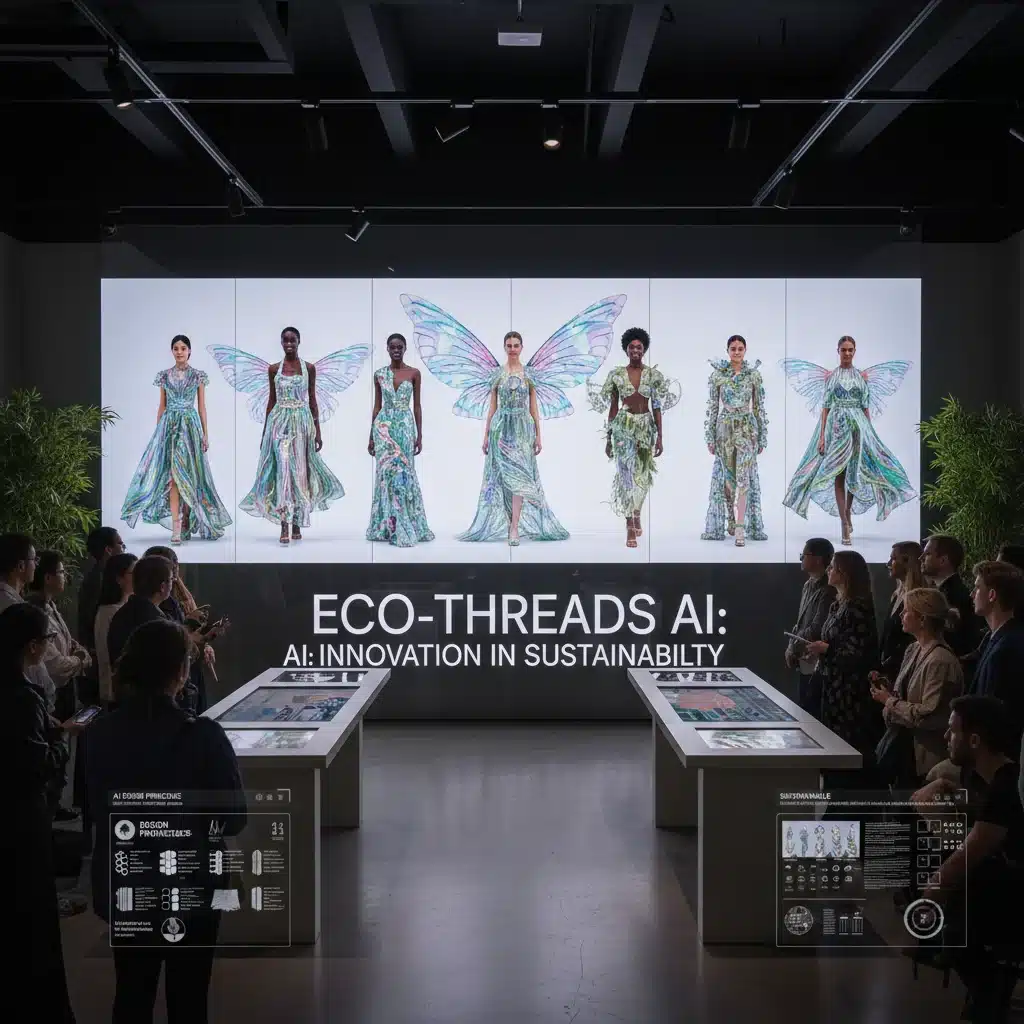
The Future of Fashion: A Human-AI Partnership
Looking ahead to 2026 and beyond, the fashion industry will be characterized by a seamless integration of human intuition and artificial intelligence. Designers will leverage AI as a sophisticated assistant, capable of handling complex data analysis, generating preliminary concepts, and optimizing production processes. This partnership will unlock unprecedented levels of creativity, allowing designers to explore uncharted aesthetic territories and bring visionary ideas to life with greater efficiency.
The impact will extend beyond the design studio. AI will enable hyper-personalized shopping experiences, making fashion more inclusive and reflective of individual identities. Sustainable practices will become the norm, driven by AI’s ability to optimize resource allocation, minimize waste, and foster circularity throughout the supply chain. US businesses that embrace these AI fashion design tools will not only gain a competitive edge but also play a pivotal role in shaping a more innovative, efficient, and sustainable future for global fashion.
The evolution of fashion is a continuous journey, and AI is the compass guiding us toward its next exciting phase. By understanding and strategically implementing these powerful tools, US businesses can ensure their relevance, drive innovation, and contribute to a more vibrant and responsible fashion ecosystem for years to come.
Conclusion
The year 2026 marks a critical juncture for the fashion industry, particularly for US businesses poised to capitalize on technological advancements. The integration of AI fashion design tools is no longer a luxury but a strategic imperative for those aiming to remain competitive, innovative, and sustainable. From generative design platforms that spark new creative ideas to AI-powered trend forecasting that predicts market shifts with uncanny accuracy, these tools are redefining what’s possible in fashion.
Virtual prototyping drastically cuts down on waste and time, while AI for sustainable material innovation paves the way for a greener industry. Furthermore, AI-driven personalization platforms are meeting the growing consumer demand for unique, tailored products. Embracing these technologies requires a commitment to learning, strategic investment, and a willingness to adapt. However, the rewards – increased efficiency, enhanced creativity, reduced environmental impact, and deeper customer engagement – are substantial. The future of fashion is intelligent, personalized, and sustainable, and AI is the key to unlocking its full potential for US businesses.