
Building a Powerful Personal Brand in Fashion: 4 Key Steps for US Professionals in the Next 6 Months
In the fiercely competitive and ever-evolving landscape of the US fashion industry, simply having talent or a strong resume is often not enough. To truly stand out, command respect, and unlock unparalleled opportunities, US professionals must cultivate a powerful personal brand. A personal brand is more than just your professional reputation; it’s the unique combination of skills, experience, and personality that you want the world to see. It’s about defining what makes you indispensable and then consistently communicating that value.
For fashion professionals, this is particularly crucial. The industry thrives on individuality, creativity, and connection. Whether you’re a designer, stylist, marketer, merchandiser, or executive, your personal brand is your most valuable asset. It can open doors to dream collaborations, attract the right employers or clients, and establish you as a thought leader in your niche. But how do you build such a brand effectively and efficiently? This comprehensive guide will walk you through four key steps to building a powerful fashion personal branding strategy, achievable within the next six months.
Anúncios
Step 1: Define Your Unique Value Proposition and Niche (Month 1-2)
The foundation of any powerful personal brand is a clear understanding of who you are, what you offer, and for whom. Without this clarity, your efforts will be scattered and ineffective. This initial phase is about deep introspection and strategic positioning within the vast fashion ecosystem.
Self-Assessment: Uncover Your Core Strengths and Passions
Start by asking yourself critical questions:
Anúncios
- What are my exceptional skills? Beyond your job description, what do you do exceptionally well? Is it trend forecasting, sustainable design, luxury marketing, supply chain optimization, or visual merchandising? Be specific.
- What are my passions within fashion? What aspects of the industry truly excite you? This isn’t just about what you’re good at, but what you genuinely love doing. Passion fuels authenticity, a cornerstone of strong fashion personal branding.
- What unique experiences or perspectives do I bring? Have you worked internationally? Do you have a background in technology that you apply to fashion? Is there a particular cultural insight you possess?
- What problems do I solve for others? Think about your clients, colleagues, or employers. What specific challenges do you consistently help them overcome?
Jot down your answers. Consider conducting a SWOT analysis (Strengths, Weaknesses, Opportunities, Threats) from a personal brand perspective. This self-reflection will illuminate your core competencies and what differentiates you.
Identify Your Niche: Specialize to Stand Out
The fashion industry is broad. Trying to appeal to everyone means appealing to no one. Instead, identify a specific niche where your unique value proposition can truly shine. This doesn’t mean limiting your potential; it means focusing your efforts for maximum impact.
- Research market gaps: Are there underserved areas in sustainable fashion, tech-wear, inclusive sizing, digital fashion, or a specific aesthetic?
- Align with your strengths: Choose a niche that genuinely leverages your exceptional skills and passions. If you’re a whiz at data analytics and love streetwear, perhaps your niche is ‘data-driven streetwear trend forecasting.’
- Consider your target audience: Who are you trying to reach? Other professionals, brands, consumers, investors? Understanding your audience will help tailor your niche and communication.
Your niche should be specific enough to make you a recognized expert but broad enough to offer opportunities. For example, instead of just ‘fashion designer,’ you might be a ‘sustainable luxury loungewear designer’ or ‘AI-powered fashion trend analyst.’ This clarity is paramount for effective fashion personal branding.
Craft Your Personal Brand Statement
Once you have a clear understanding of your strengths and niche, synthesize this into a concise, compelling personal brand statement. This is your elevator pitch, a sentence or two that encapsulates who you are, what you do, and the value you provide.
Formula: I help [target audience] achieve [desired outcome] by [your unique method/skill].
Example: "I empower emerging sustainable fashion brands in the US to scale their e-commerce presence through innovative digital marketing strategies."
This statement will guide all your subsequent branding efforts. It’s the compass for your fashion personal branding journey.
Step 2: Cultivate a Consistent and Professional Online Presence (Month 2-4)
In today’s digital age, your online presence is your most powerful personal branding tool. It’s often the first impression you make, and it needs to be intentional, professional, and consistent with your defined brand. This phase focuses on optimizing your digital footprint.
Build a Professional Website/Portfolio
Consider your personal website or online portfolio as your digital headquarters. It’s where you showcase your work, articulate your brand story, and demonstrate your expertise. Even if you’re not a designer, a professional online presence is vital.
- Design and aesthetics: Ensure your website reflects your aesthetic and professional brand. It should be clean, easy to navigate, and visually appealing.
- Content is King: Include a professional headshot, a compelling bio (incorporating your brand statement), your resume/CV, testimonials, and a detailed portfolio of your best work. For non-designers, this could include case studies, articles, presentations, or project summaries.
- Blog/Insights Section: Regularly publish articles or insights related to your niche. This positions you as a thought leader and improves your SEO. For example, if your niche is sustainable fashion, write about new eco-friendly materials or ethical manufacturing processes.
- Contact Information: Make it easy for people to connect with you.
Optimize Your Social Media Profiles
LinkedIn is non-negotiable for any professional. Instagram, Pinterest, and even TikTok can be incredibly powerful for fashion professionals, depending on your niche and target audience.
- LinkedIn:
- Professional Headshot and Banner: Use high-quality images that reflect your brand.
- Compelling Headline: Incorporate your brand statement and keywords relevant to your niche.
- Detailed "About" Section: Tell your story, highlight your achievements, and reiterate your unique value proposition.
- Experience and Skills: Ensure these are up-to-date and showcase your expertise. Seek endorsements and recommendations.
- Active Engagement: Share industry news, comment thoughtfully on posts, and publish original content (articles, updates) that reinforces your fashion personal branding.
- Instagram/Pinterest (Visual Platforms):
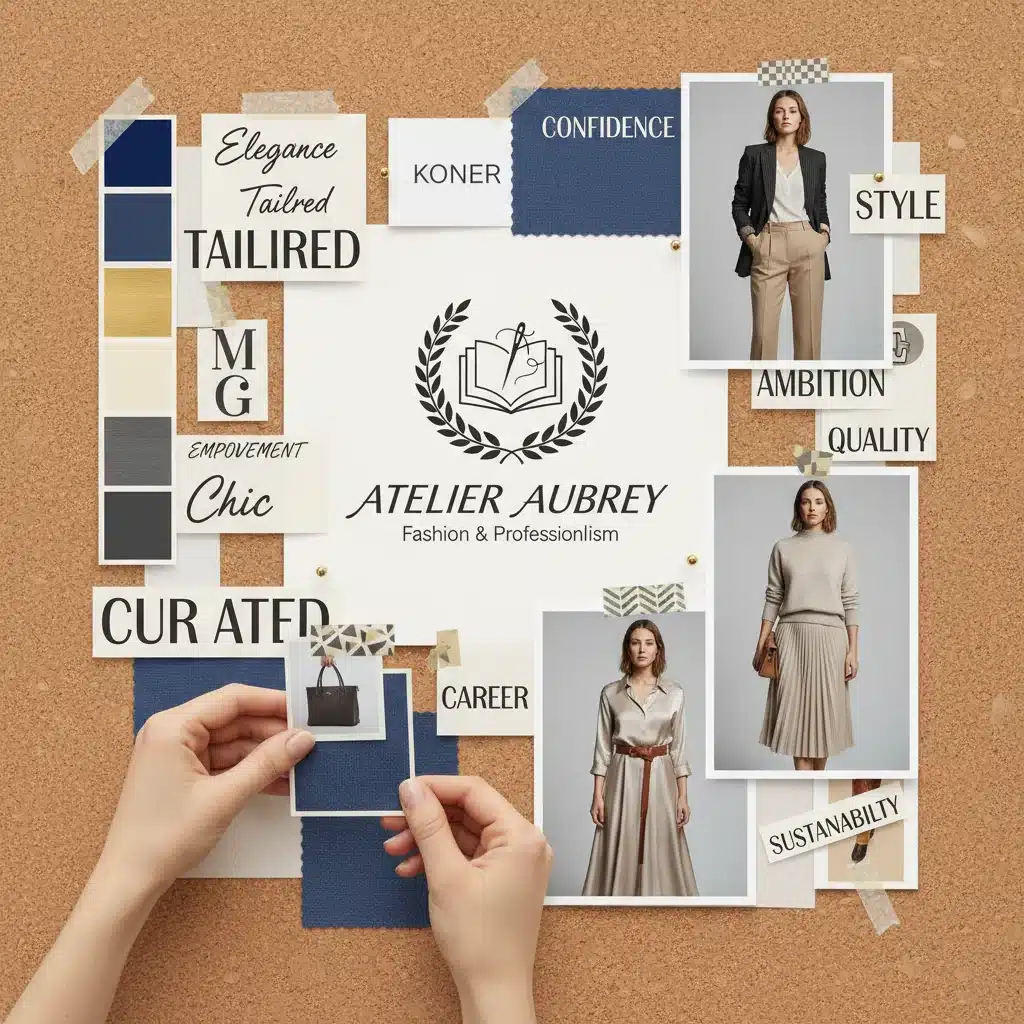
- Curated Feed: Maintain a consistent aesthetic that aligns with your brand. Showcase your work, inspiration, and professional life.
- High-Quality Visuals: Fashion is visual; invest in good photography.
- Engaging Captions: Use relevant hashtags and tell a story with your visuals.
- Stories/Reels: Use these features to offer behind-the-scenes glimpses, share quick tips, or interact with your audience.
- Other Platforms: Evaluate if platforms like Twitter (for industry commentary) or TikTok (for short-form creative content) align with your niche and audience.
Remember, consistency across all platforms is key. Your messaging, visuals, and tone should be harmonious, reinforcing your fashion personal branding.
Step 3: Strategic Networking and Relationship Building (Month 3-5)
Even in a digital world, human connection remains paramount, especially in an industry built on relationships like fashion. Strategic networking goes beyond collecting business cards; it’s about building genuine, mutually beneficial relationships.
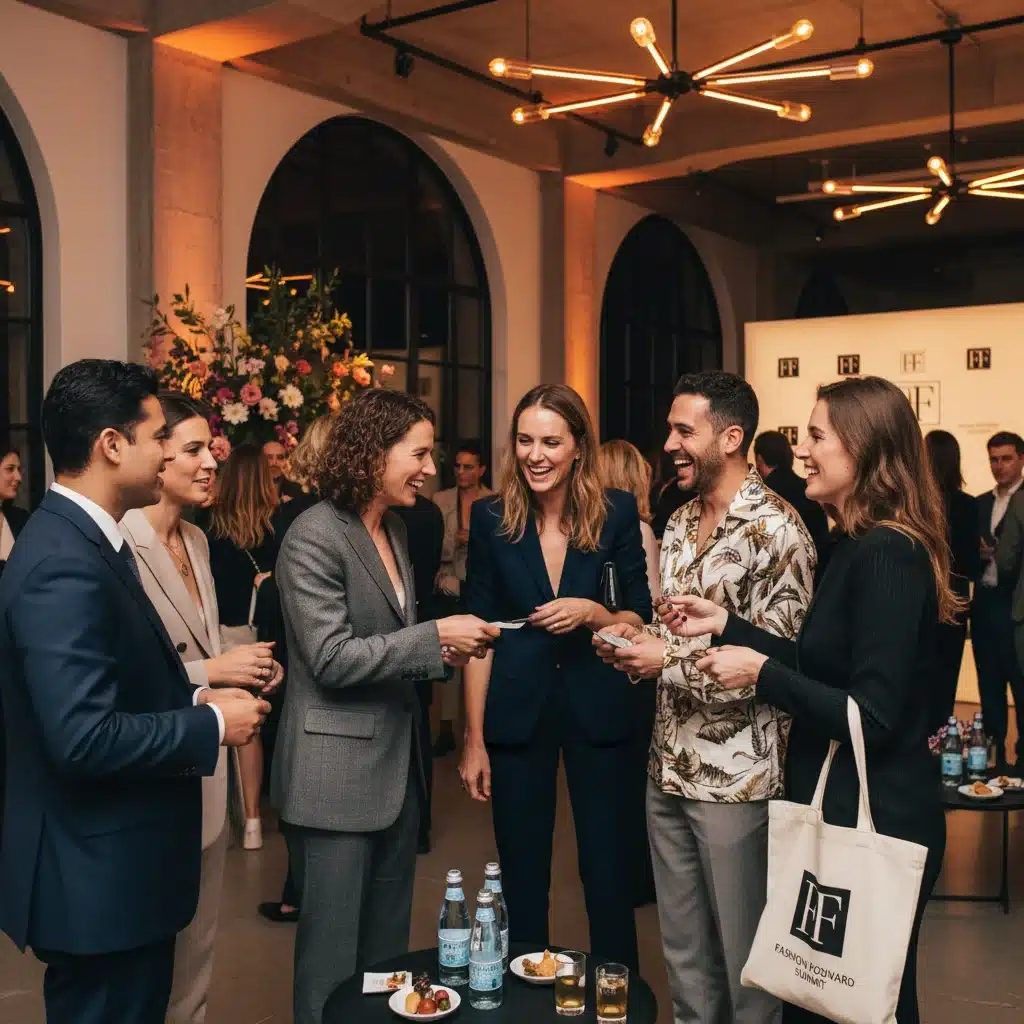
Attend Industry Events and Conferences
Identify key fashion events, trade shows, and conferences relevant to your niche in the US. These provide invaluable opportunities for face-to-face interaction.
- Research beforehand: Know who will be speaking and attending. Identify key individuals you’d like to meet.
- Prepare your pitch: Refine your personal brand statement into a concise, engaging introduction.
- Be present and engaged: Actively listen, ask insightful questions, and contribute to discussions.
- Follow up thoughtfully: After an event, send personalized follow-up messages. Reference specific points of your conversation. Don’t just ask for something; offer value first.
- Local Meetups: Don’t overlook smaller, local industry meetups or fashion council events. These can often be less intimidating and foster deeper connections.
Leverage Online Networking for Fashion Personal Branding
Online platforms, particularly LinkedIn, are excellent for extending your network beyond physical events.
- Connect strategically: Send personalized connection requests to industry leaders, recruiters, potential collaborators, and peers. Explain why you want to connect.
- Engage with content: Comment on posts from influential figures, share relevant articles, and participate in industry groups. Your insightful contributions will get noticed.
- Informational interviews: Reach out to professionals whose careers you admire and ask for a brief informational interview. This is a chance to learn, get advice, and expand your network without directly asking for a job.
Seek Mentorship and Collaboration Opportunities
A mentor can provide invaluable guidance, open doors, and accelerate your growth. Look for individuals who have achieved what you aspire to and align with your brand values.
- Offer value: When approaching potential mentors or collaborators, think about what you can offer them, not just what you can gain.
- Collaborate on projects: Working with others in your niche can amplify your reach, expose you to new audiences, and strengthen your fashion personal branding. This could be a joint article, a co-hosted webinar, or a shared creative project.
Remember, networking is a long-term investment. Nurture your relationships consistently, and they will yield significant returns for your fashion personal branding.
Step 4: Demonstrate Expertise and Thought Leadership (Month 4-6)
Once you’ve defined your brand, established your online presence, and started building connections, the final step is to consistently demonstrate your expertise and position yourself as a thought leader in your chosen niche. This is where your fashion personal branding truly solidifies.
Create and Share Valuable Content
Content creation is arguably the most effective way to showcase your knowledge and perspective. This can take many forms:
- Blog Posts/Articles: Regularly write in-depth articles on your website or LinkedIn about trends, challenges, or innovations within your fashion niche. Provide actionable insights and unique perspectives.
- Case Studies: If applicable, share detailed accounts of successful projects you’ve worked on, highlighting your role, the challenges, and the positive outcomes.
- Presentations/Webinars: Offer to speak at industry events, webinars, or even create your own online workshops. Public speaking is a powerful way to establish authority.
- Whitepapers/E-books: For more extensive topics, consider creating a downloadable resource that offers deep insights into your area of expertise.
- Social Media Micro-content: Share quick tips, analyses of current fashion news, or your opinions on industry developments on platforms like LinkedIn or Instagram Stories.
The goal is to consistently provide value to your audience, demonstrating that you are a go-to expert in your field. This proactive approach is a hallmark of strong fashion personal branding.
Seek Opportunities for Media Features and Publications
Being featured in reputable industry publications, podcasts, or online platforms significantly boosts your credibility and visibility.
- Pitch ideas: Reach out to editors or podcast hosts with well-researched story ideas that align with their content and your expertise.
- Respond to HARO (Help a Reporter Out) queries: Sign up for services like HARO, where journalists seek expert sources for their stories.
- Guest posts: Offer to write guest articles for other relevant blogs or websites, expanding your reach to new audiences.
Engage in Industry Discussions and Debates
Don’t just consume content; contribute to the conversation. Participate actively in online forums, LinkedIn groups, and comment sections of industry articles. Share your informed opinions respectfully and constructively. This not only showcases your knowledge but also allows you to learn from others and refine your own perspectives.
Continuously learning and adapting is also part of demonstrating thought leadership. Stay abreast of the latest trends, technologies, and challenges in the fashion world. Your fashion personal branding should reflect your commitment to growth and innovation.
Sustaining Your Fashion Personal Branding Beyond Six Months
Building a personal brand is not a one-time project; it’s an ongoing journey. After these initial six months, your focus should shift to maintenance, refinement, and continuous growth. Here are some pointers:
- Consistency is Key: Maintain regular activity on your chosen platforms. Sporadic engagement can undermine the trust and recognition you’ve built. Consistency in your messaging and visual identity is crucial.
- Seek Feedback: Periodically ask trusted peers, mentors, or even clients for feedback on how they perceive your brand. Are you effectively communicating your value? Are there areas for improvement?
- Stay Relevant: The fashion industry is dynamic. Continuously educate yourself on new trends, technologies, and ethical considerations. Your brand should evolve with the industry. Attend workshops, read industry reports, and follow thought leaders.
- Measure Your Impact: Track metrics like website traffic, social media engagement, new connections, and opportunities that arise. This will help you understand what’s working and where to adjust your strategy.
- Authenticity Above All: While strategic, your personal brand must always be authentic to who you are. Trying to be someone you’re not will eventually feel unsustainable and can damage your credibility. Your unique personality is a key differentiator.
- Give Back: As your brand strengthens, consider mentoring others, volunteering for industry initiatives, or sharing your knowledge. Contributing to the community not only enhances your reputation but also provides a sense of purpose.
- Refine Your Story: As you gain more experience and evolve, your personal brand story will also deepen. Be prepared to update your bio, website content, and overall messaging to reflect your growth and new achievements.
- Embrace New Platforms: Keep an eye on emerging platforms where your target audience might be engaging. Being an early adopter in a relevant space can give you a significant advantage.
By diligently following these steps and committing to continuous effort, US fashion professionals can transform their careers within six months and establish a powerful, enduring personal brand. Your brand isn’t just about getting noticed; it’s about building a legacy and creating a lasting impact in the world of fashion.
Conclusion
Building a powerful personal brand in the US fashion industry is an investment that yields significant returns. It requires introspection, strategic planning, consistent effort, and genuine connection. By dedicating the next six months to defining your unique value, cultivating a professional online presence, engaging in strategic networking, and demonstrating your expertise, you will not only elevate your professional standing but also unlock a world of opportunities that were previously out of reach.
Remember, your personal brand is your story, your promise, and your unique contribution to the fashion world. Own it, nurture it, and watch as it propels your career to new heights. Start today, and within half a year, you’ll be well on your way to becoming a recognized and respected authority in your chosen fashion niche. Your journey to impactful fashion personal branding begins now.